Signature
Vayots Dzor Compact: Wine & Monasteries
2 days
2,140 m
From cliff monasteries to the edge of the drivable — every route in three classes, from spa hotel to wild camp.
Fifteen routes across the Armenian highlands, one to seven days, all starting and ending in Yerevan. Ride in a guided convoy or drive an equipped 4x4 yourself, in one of three comfort classes from spa hotel to wild camp. Each one goes where the tarmac ends: cliff monasteries above gorges, volcanic craters, passes over 3,000 metres.
15 tours
Destinations
Explore all destinations
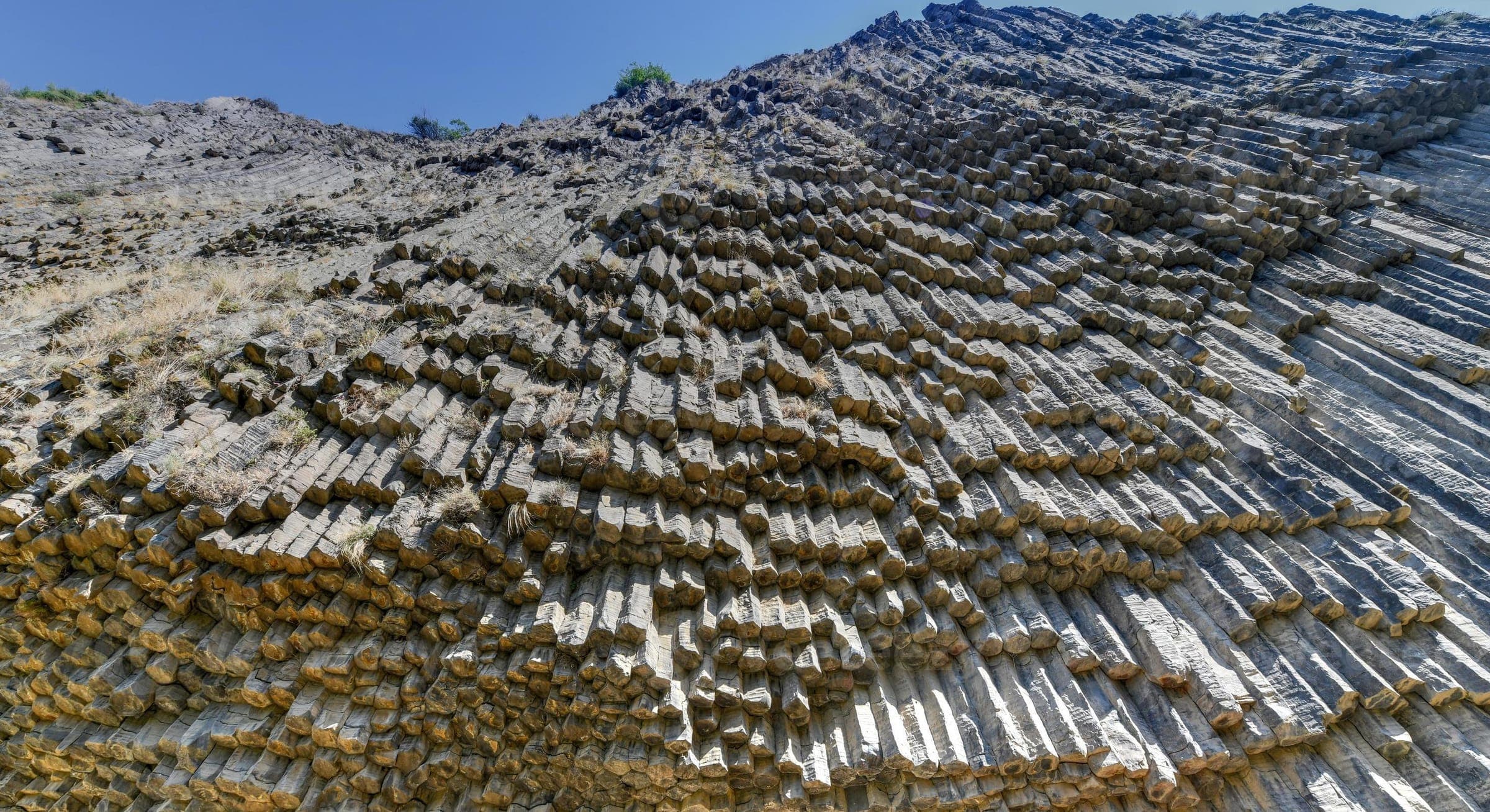
There is no lowland Armenia. The bulk of the country sits above 1,000 metres, the capital itself at roughly 1,000, and the plateaus of the Geghama range and Mount Aragats climb past 3,000. Cut between those heights are gorges no road follows to the bottom. Tarmac does exist: it links the towns, and it stops there. Behind the last village the surface turns to gravel, farm track and wheel ruts, so ground clearance and four-wheel drive are not an upgrade here but the entry ticket.
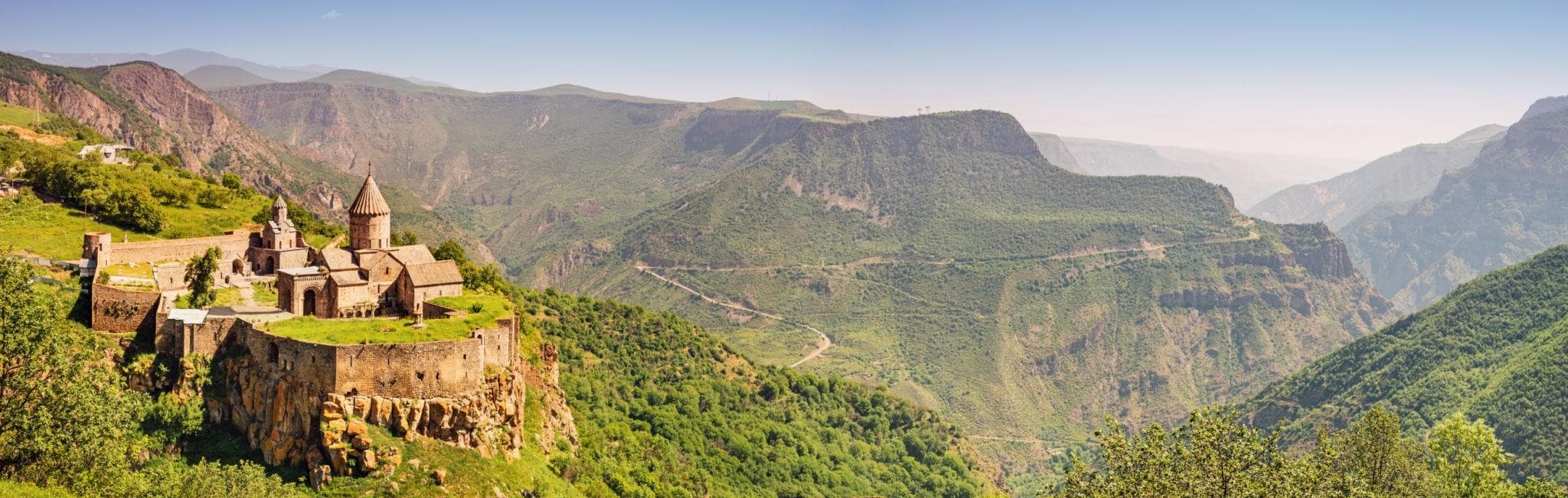
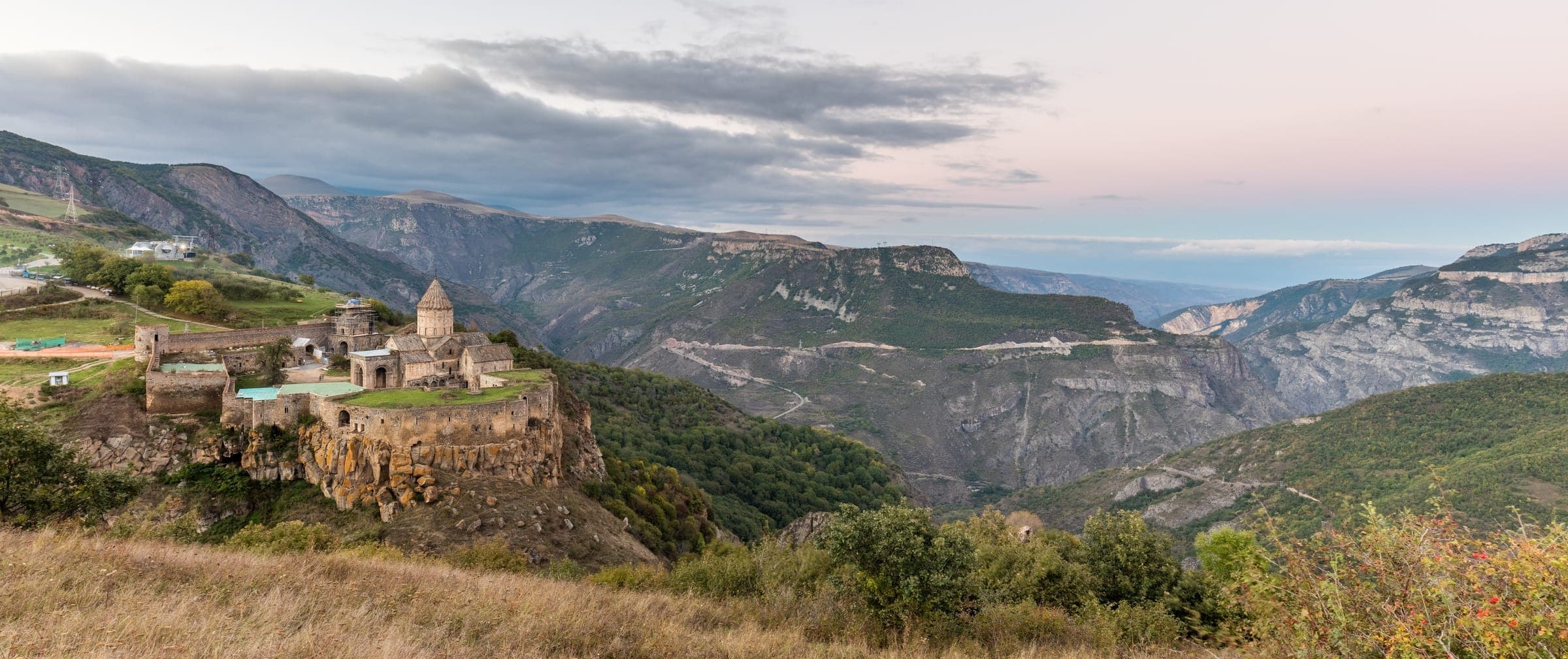
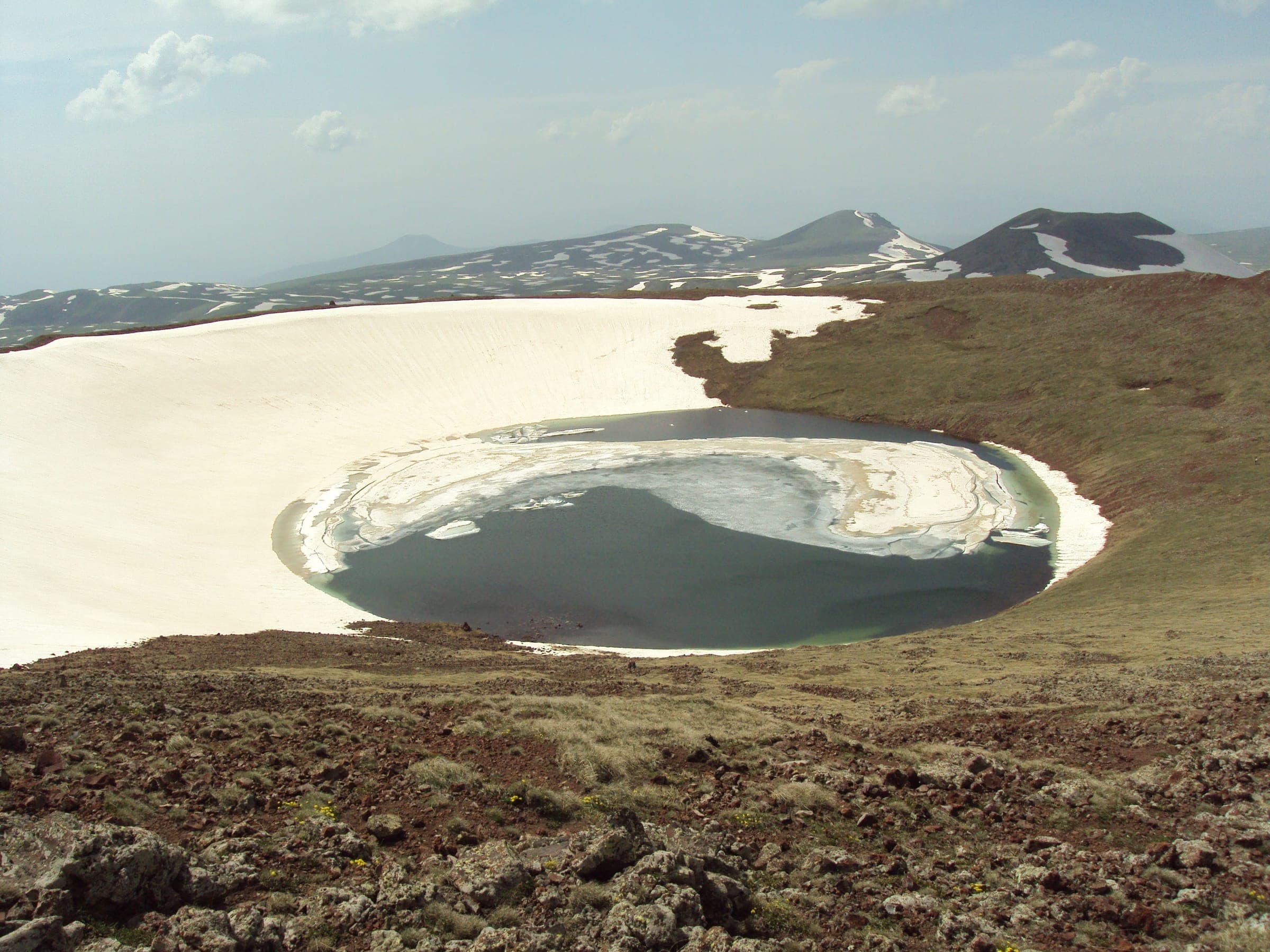
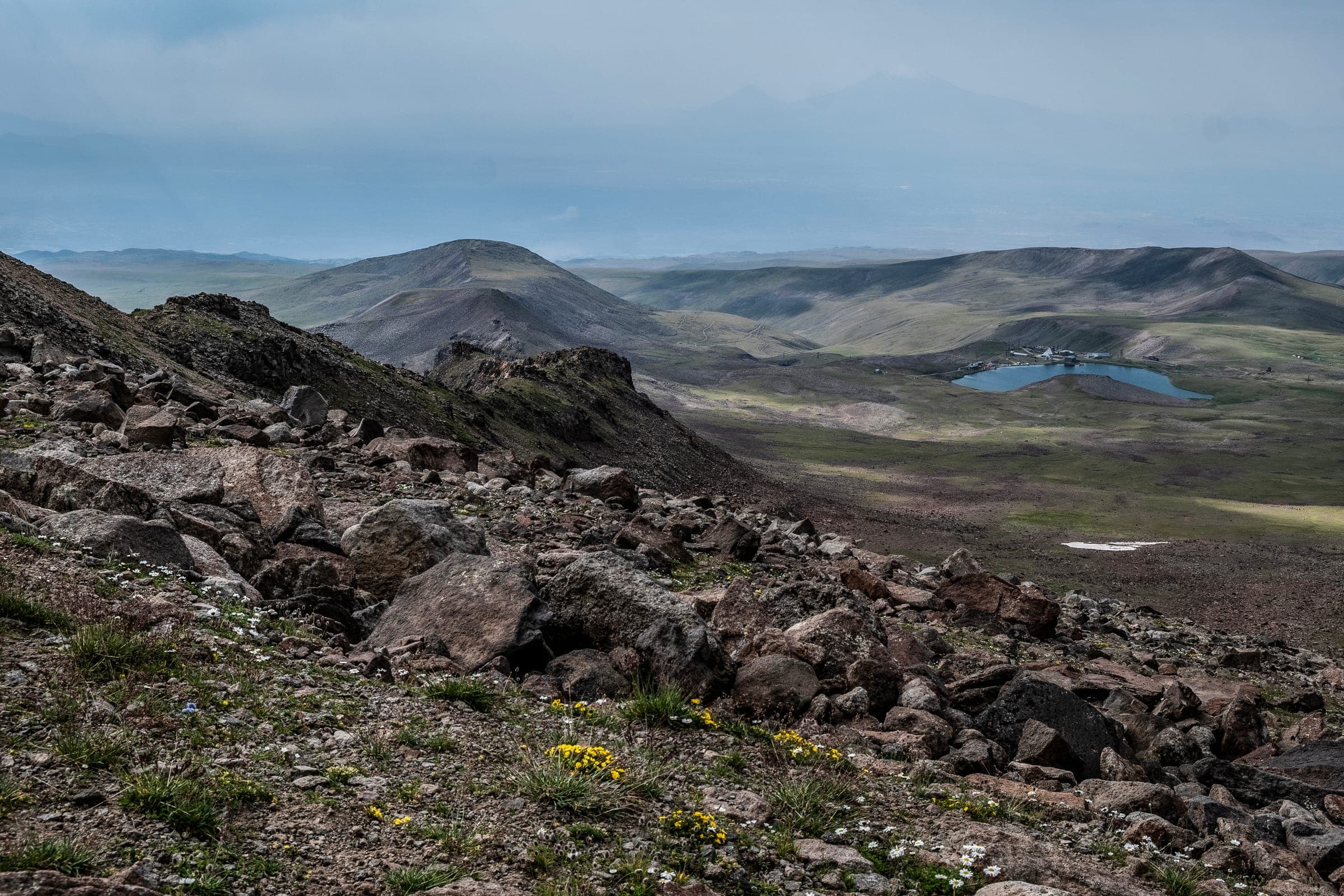
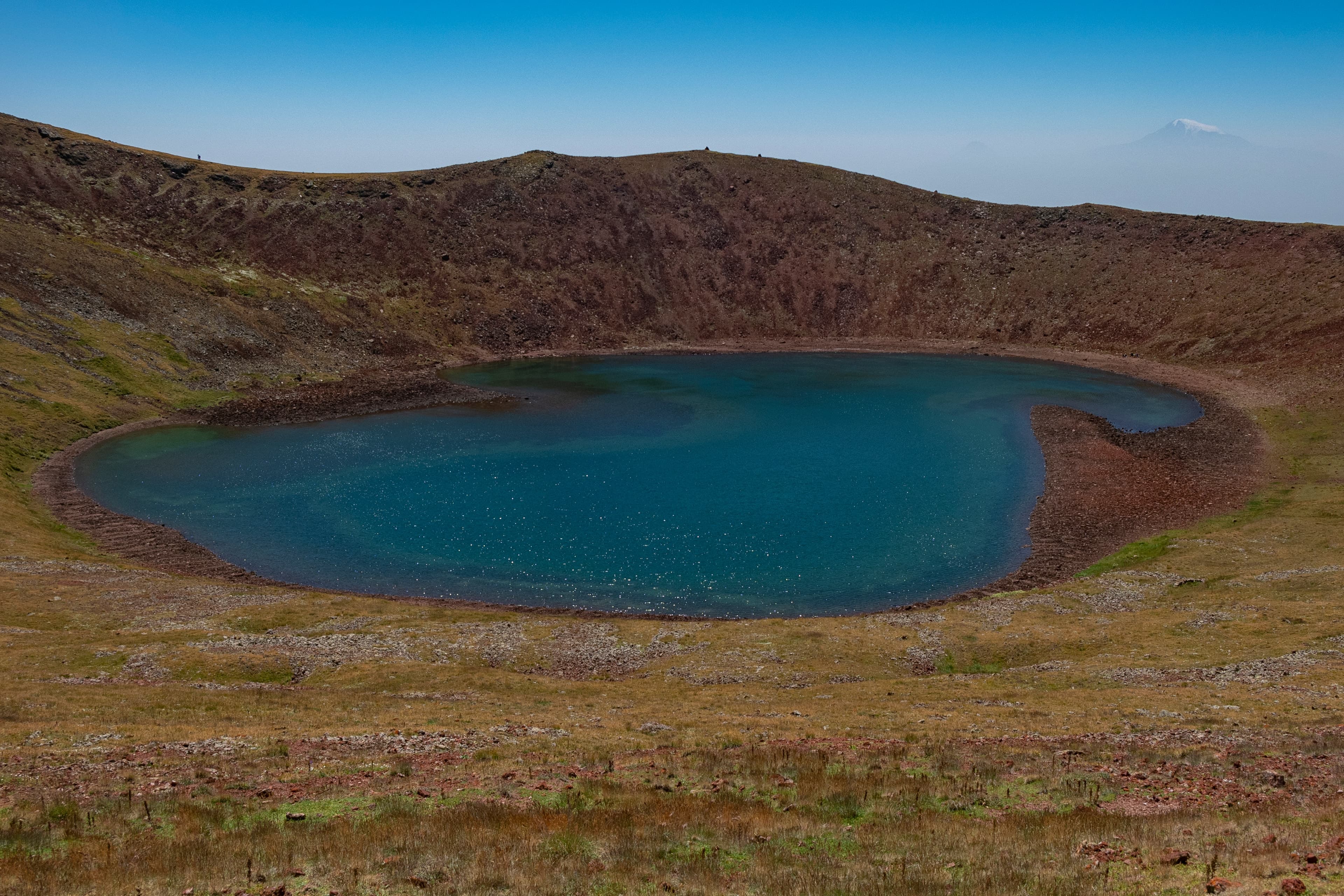
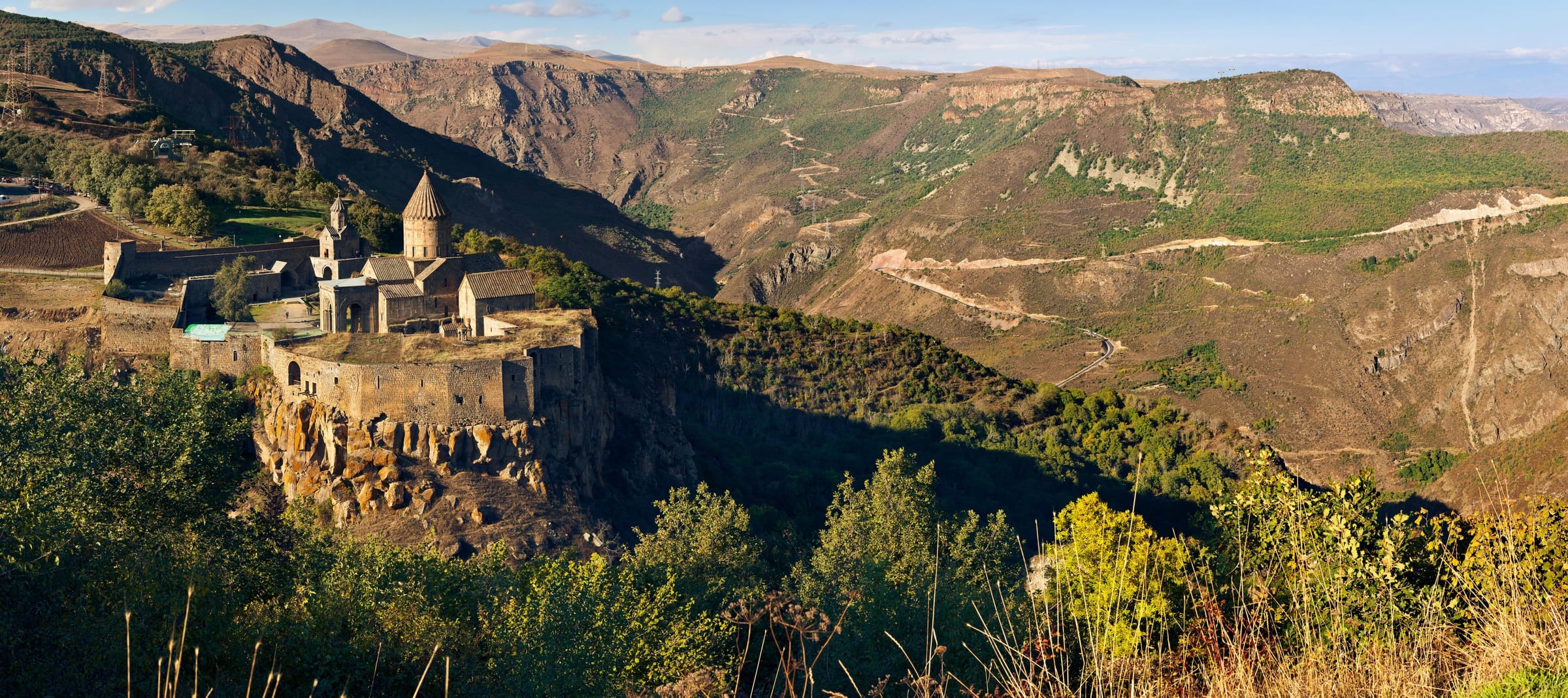
Distance, oddly, is never the problem. Armenia is smaller than Belgium, and three to five hours behind the wheel will reach almost anything from Yerevan. A day stage of 100 to 200 kilometres can start at a wine cellar, cross high mountains and still put you in a guesthouse by evening. Traffic on the tracks means shepherds, a lorry, now and then a Lada — never a coach. Tatev monastery on its shelf above the Vorotan gorge, or the crater lake on Mount Azhdahak: places you earn at the wheel rather than book.
Then the safety question, which guests raise early and worry about longest. Numbeo’s 2025 crime index puts Armenia among the eight safest countries in the world. Remote, out here, is not a synonym for risky; it simply means nobody comes past by accident. Our vehicles, our guides and the way we plan a route are built around that one fact.
Yerevan is both the start line and the finish. We meet you at Zvartnots airport, and the welcome briefing opens the first day: vehicle handed over, guide introduced, route walked through stage by stage. Anything that needs changing gets changed there, in the yard, rather than halfway up a track. After that the group moves as a convoy behind the lead guide — you in the passenger seat, or you driving.
Expeditions run two days at the short end, seven at the long, and 400 to just under 1,000 kilometres in between: call it 90 to 200 kilometres a day. On gravel and over passes that is the right number, not a modest one. It leaves room for a tasting at Areni, a swim at the Devil’s Bridge, and an arrival before the light goes. At seven days the southern expedition through Vayots Dzor and Syunik is one of our two longest; single-day runs such as the Geghama volcanic ridge bolt onto any of the others.
No prices appear on this page, deliberately. The route is cut to your group, your dates and your comfort class first; the quote follows within 24 hours, naming vehicle, stages and price. Accept it and a 20 percent deposit holds the dates. The balance is settled in Yerevan, at the briefing on day one.
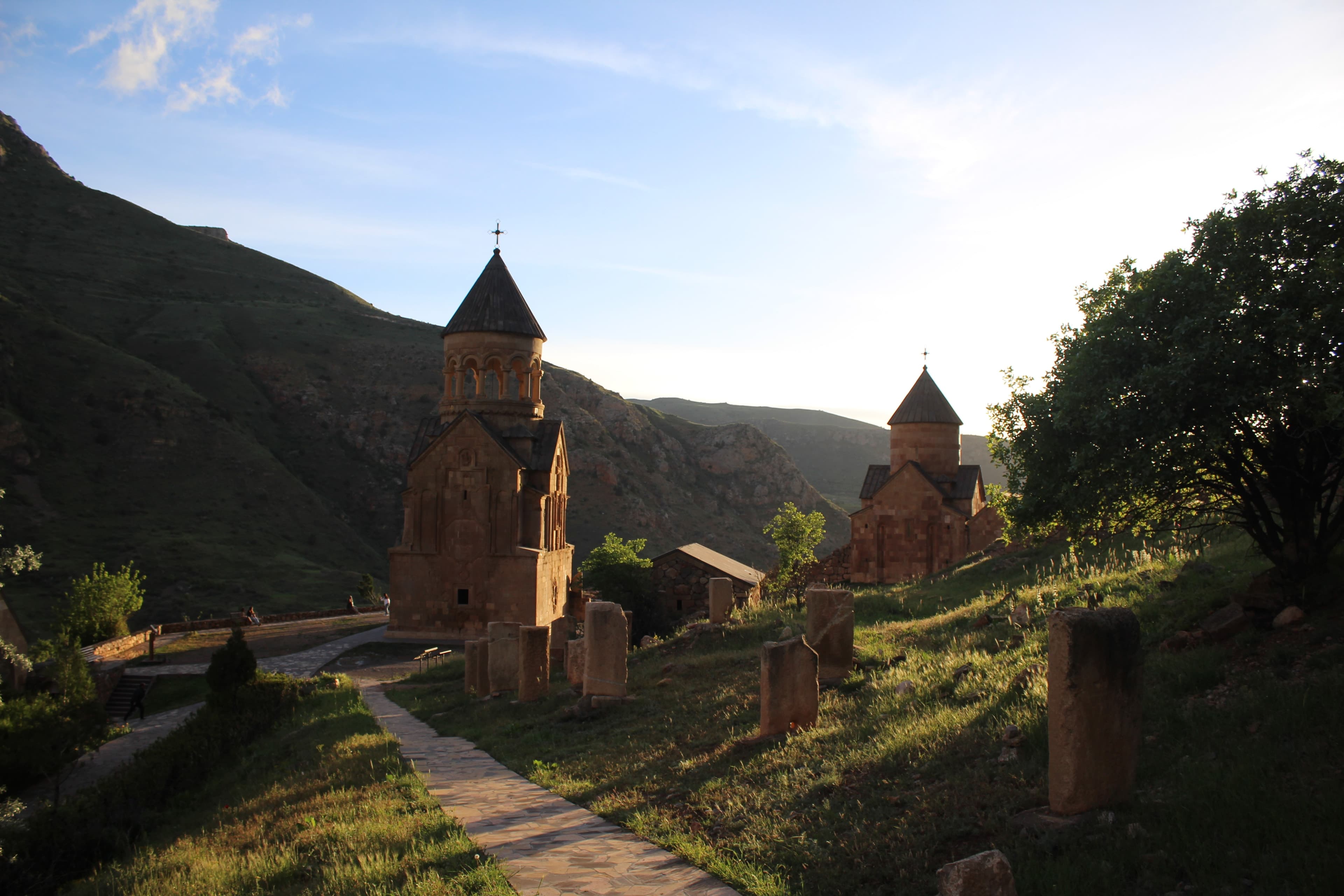
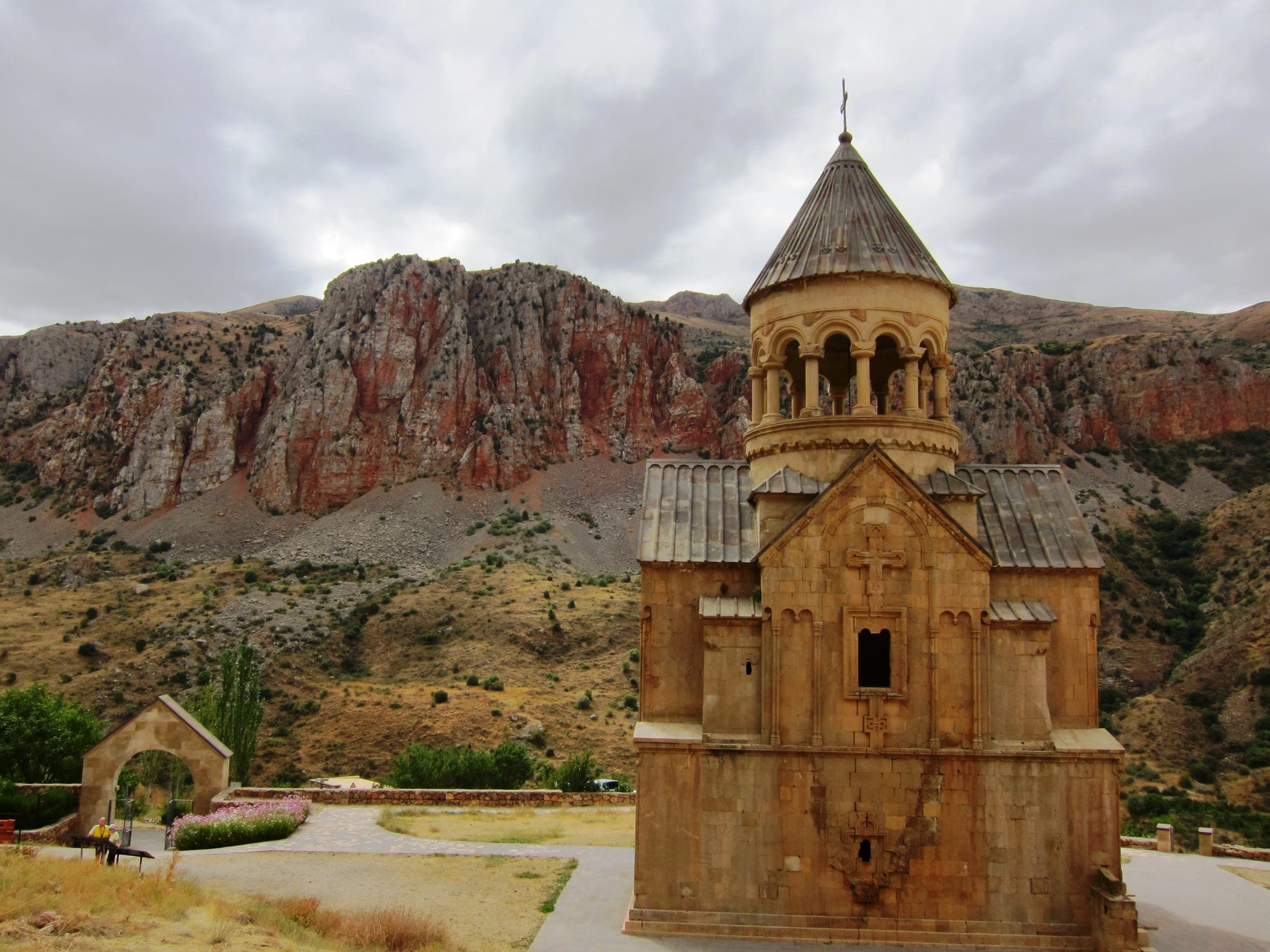
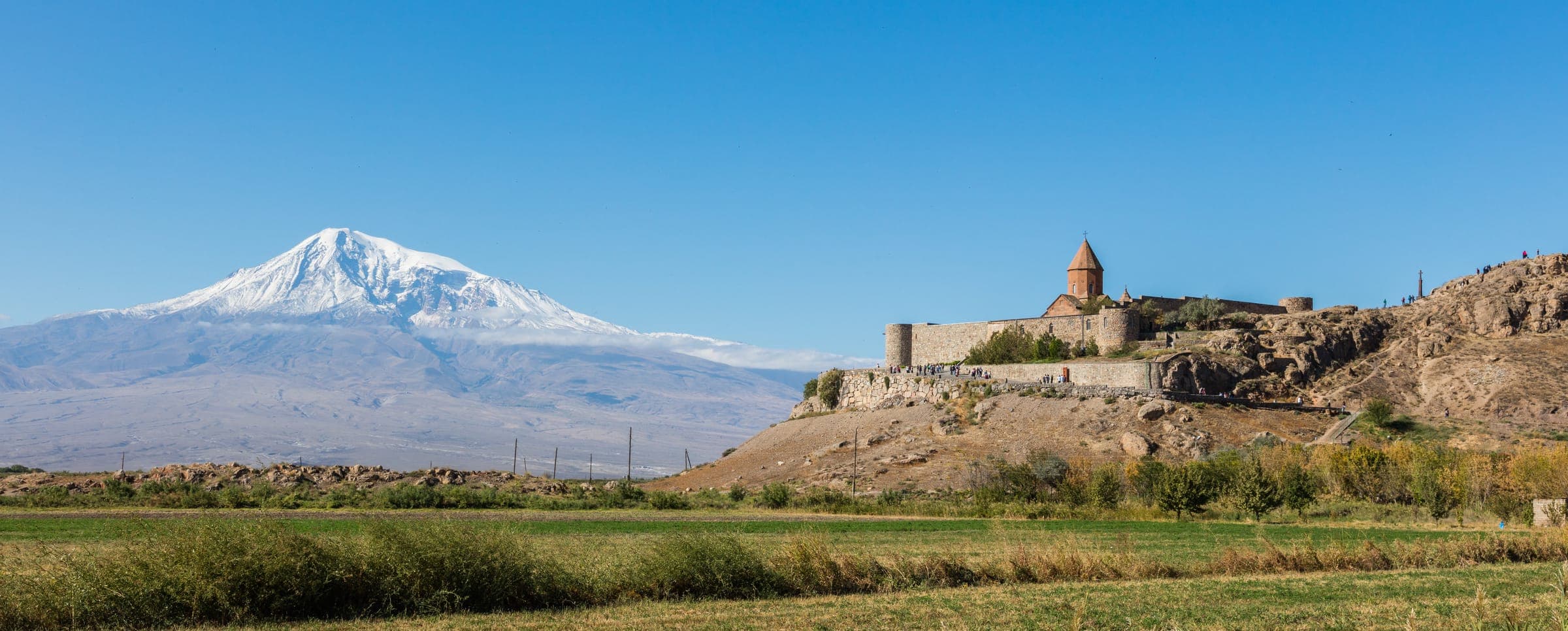
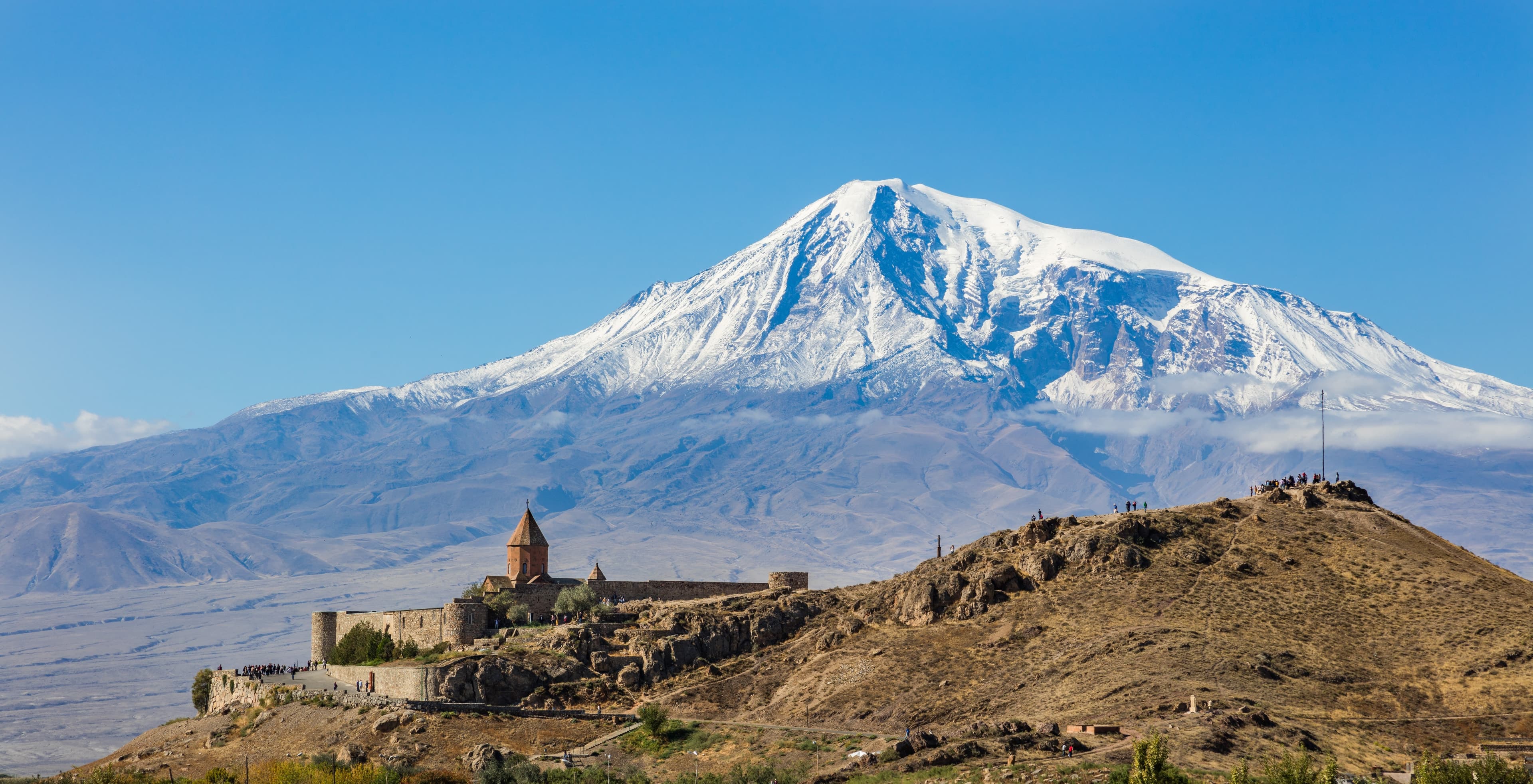
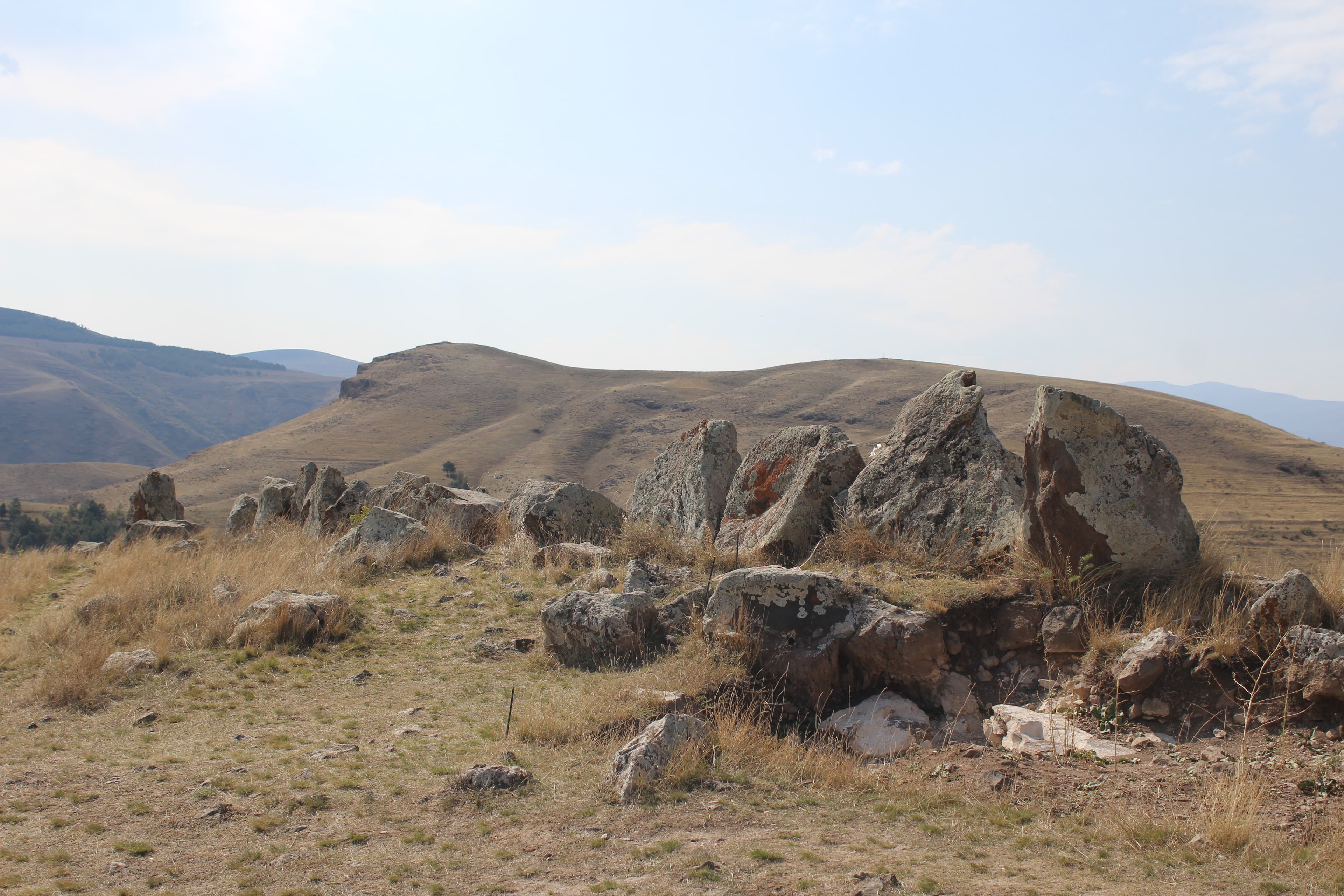
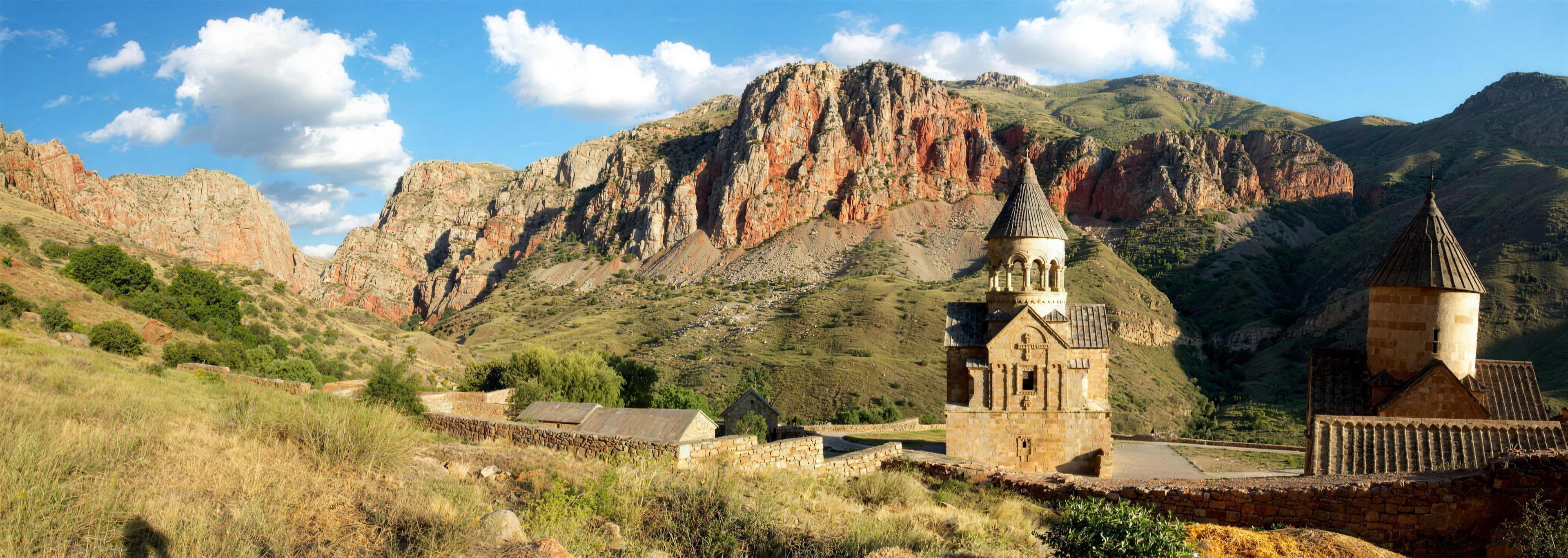
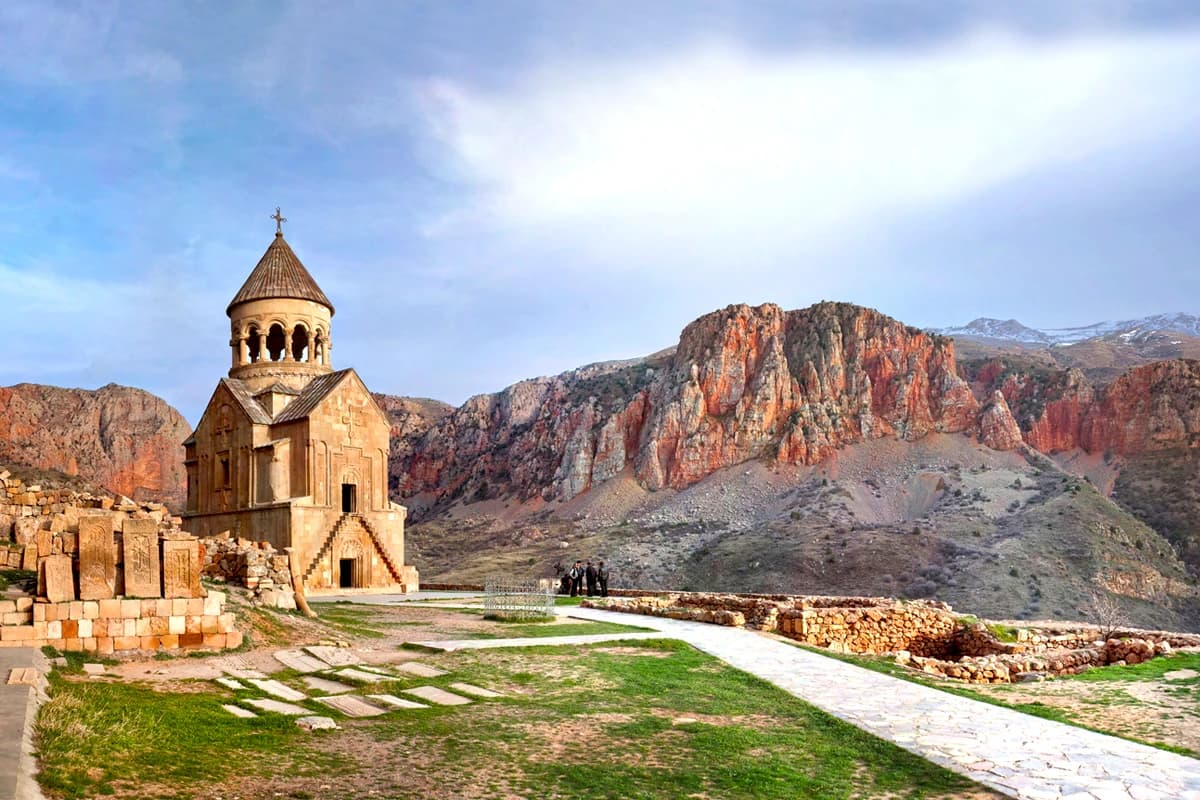
Take the south if you want Armenia at full strength. An hour out of Yerevan, Vayots Dzor opens with the red walls of the Amaghu gorge and Noravank monastery; then the Areni cellars, the geysers at Jermuk, the pass over into Syunik. Past that: Tatev above the Vorotan gorge, the cave town of Khndzoresk, the standing stones at Karahunj. A full week buys the southern expedition; if emptiness is the point, the Syunik expedition sleeps under canvas and runs the track to the Black Lake.
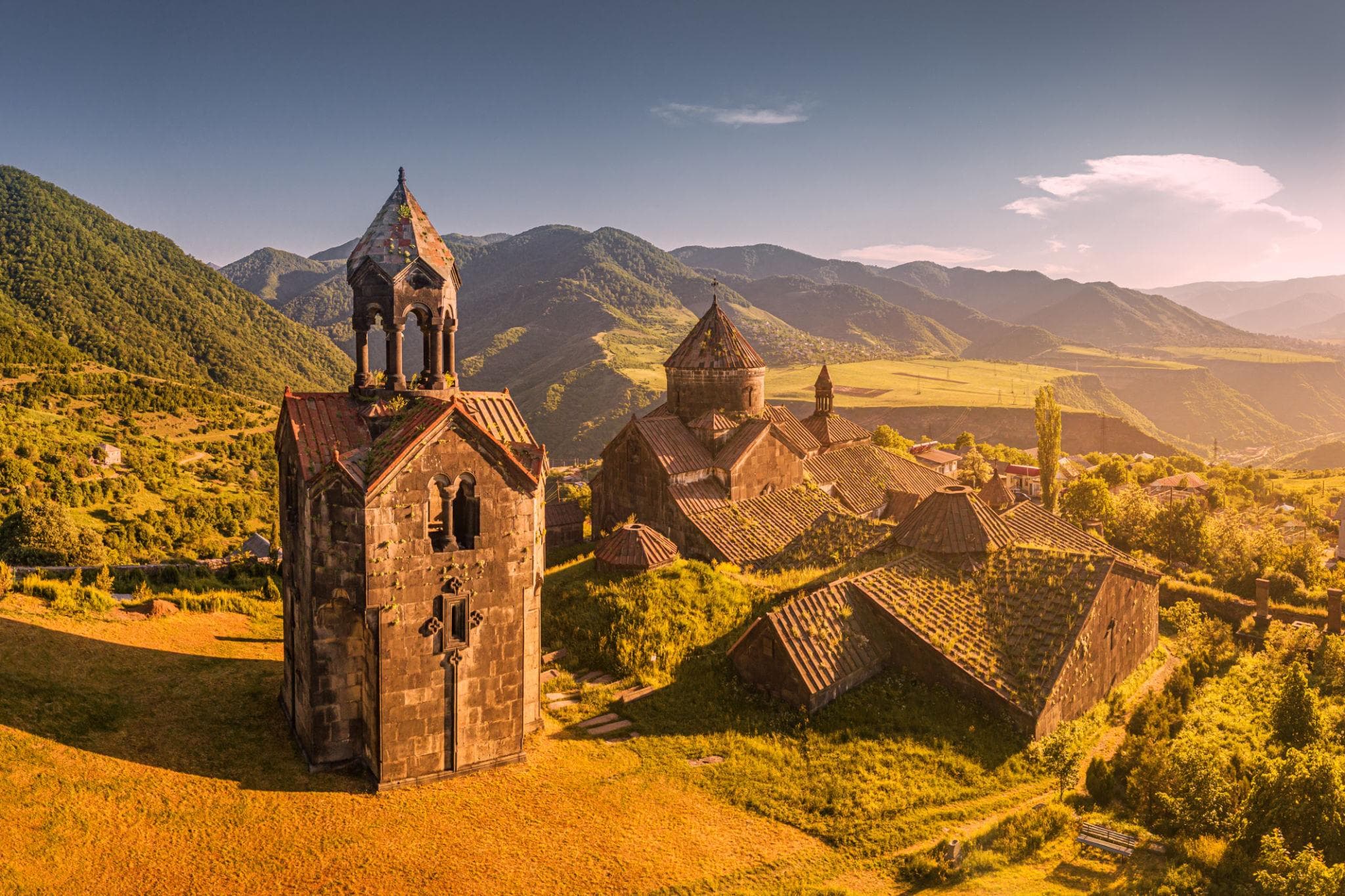
North is the green half, forested and thick with history. Steppe gives way to beech wood in the two hours it takes to get from Yerevan past Lake Sevan to Dilijan. In Lori, Haghpat and Sanahin hold the rim of the Debed gorge, while tracks through Dilijan National Park reach hermitages that have never had a road. Four days on the northern route covers the lot.
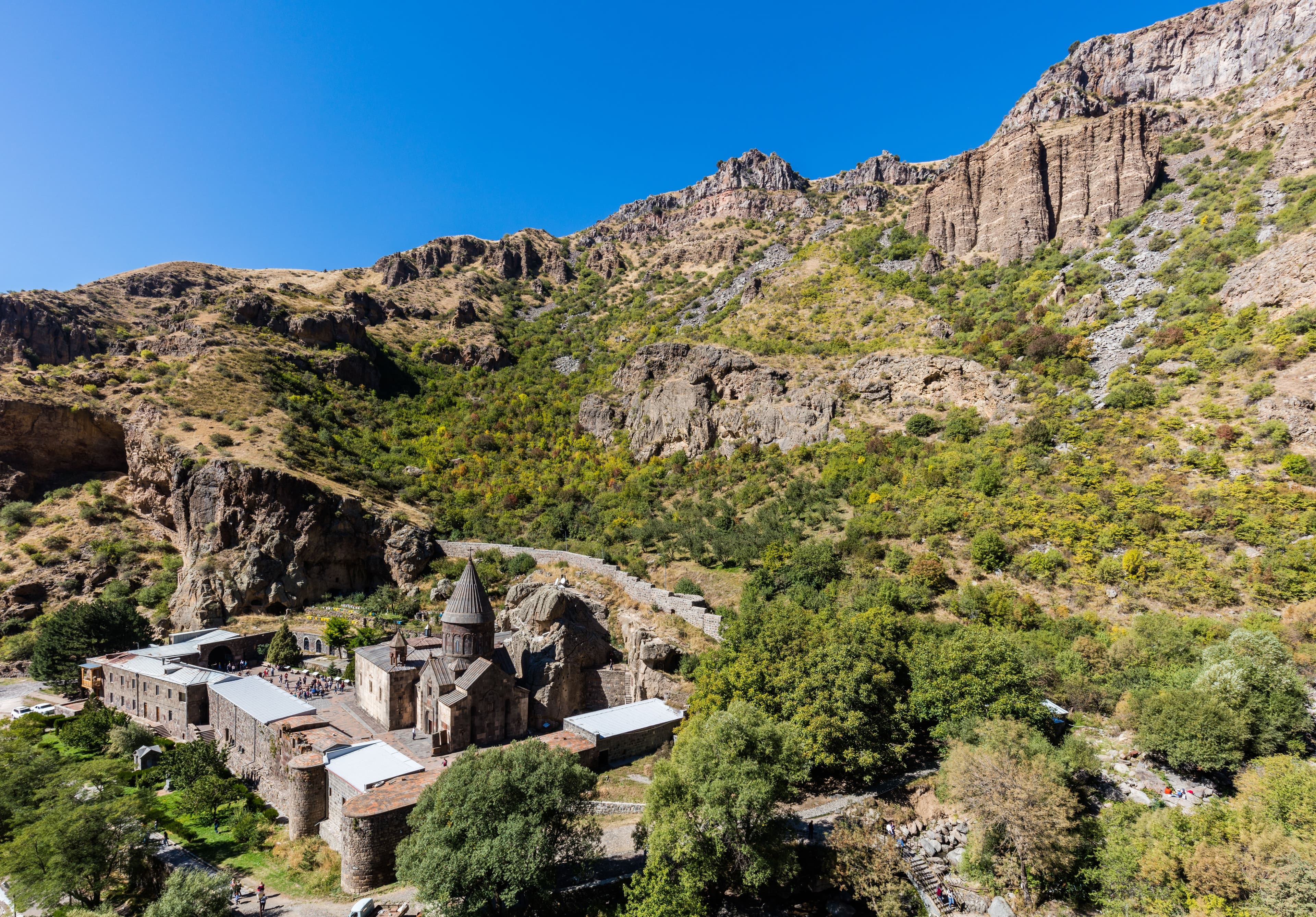
Drivers tend to want the highlands. The Geghama range and its crater lakes, Mount Azhdahak among them, lie between 3,000 and 3,600 metres; Lake Kari on Mount Aragats is the highest point in the country reached by a paved road. In between: petroglyphs, shepherd camps, basalt fields, no tarmac at all. Five days on Volcanoes and Geysers stitches the highlands to the south; six on the Legends Route follows the country’s myths from Geghard down to Tatev.
We run all year. Winter changes the shape of a route rather than cancelling it: monasteries, gorges and the lowlands stay open, while the high passes are restricted rather than shut. Above 3,000 metres the highland routes run June to October; the Syunik wilderness expedition July to September; the south from May or June, depending on the route, to October. Areni and its wine work in any month. Whatever your dates allow, you hear it from us straight, and beforehand.
Guided puts you in the passenger seat of an equipped vehicle: the guide drives, you watch the country go by. Self-drive puts you in your own vehicle, in convoy, behind the lead guide. Every expedition offers it. It does assume real four-wheel-drive mileage, and day one includes an off-road training session before any keys change hands. The vehicles are Land Cruiser-class 4x4s carrying low range, a winch and recovery gear; the fleet page sets out which eight and why.
Standards do not change between the two. The detail sits on the safety page; the short version is this:
Carried on every route
Every one of our routes comes in three classes. They differ not in “more or less”, but in the kind of traveller you are. None is the better one — they are different appetites for the same wilderness.
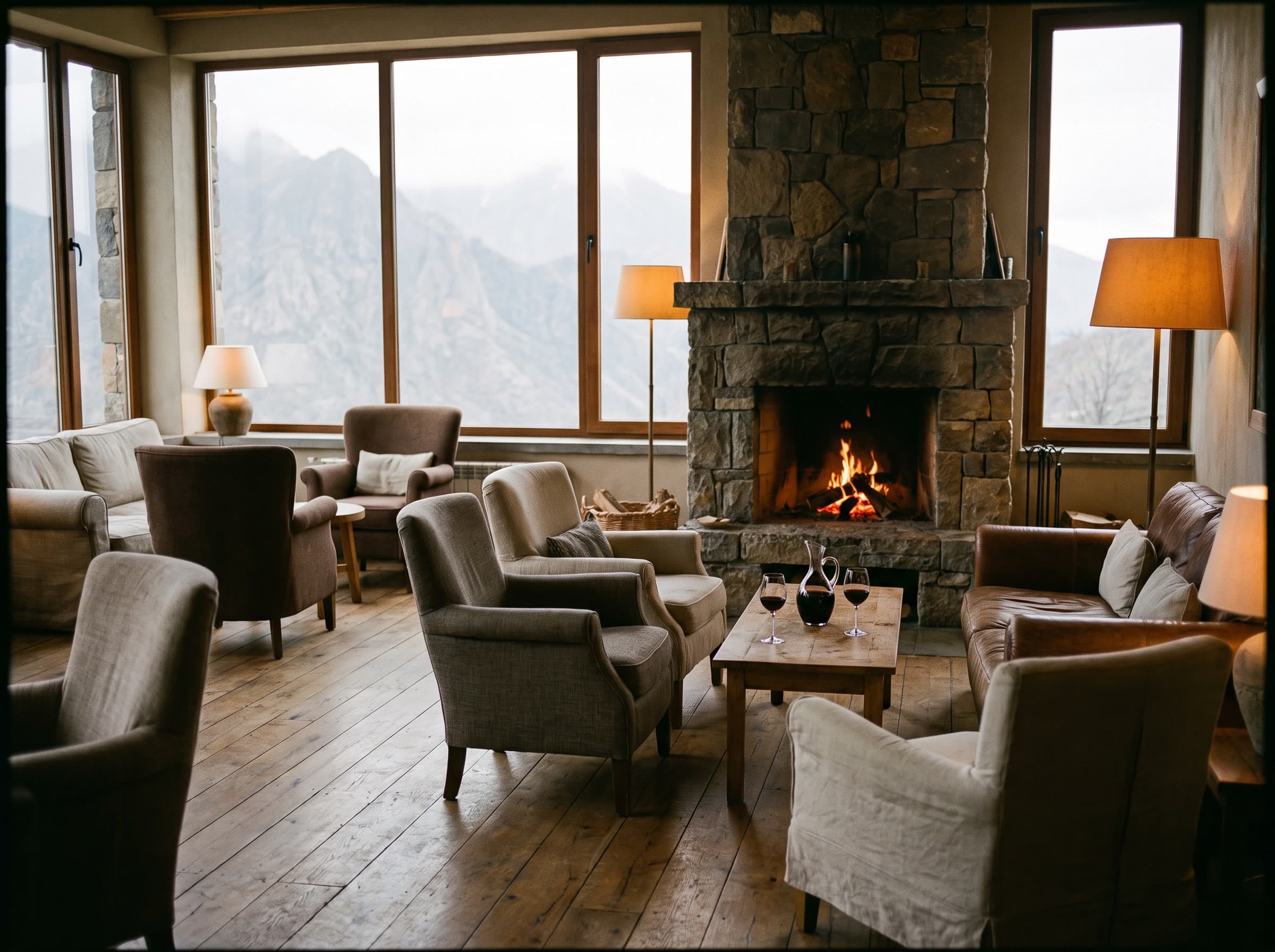
For travellers who have nothing left to prove. Signature removes every friction: you experience the Caucasus in all its wildness — and sleep in a spa hotel, eat superbly and leave the driving to us. If you are unsure whether the region is “safe enough”, here is your answer: maximum comfort, minimal sense of risk.
For whom: a first Caucasus trip · couples · anyone who won’t trade away comfort
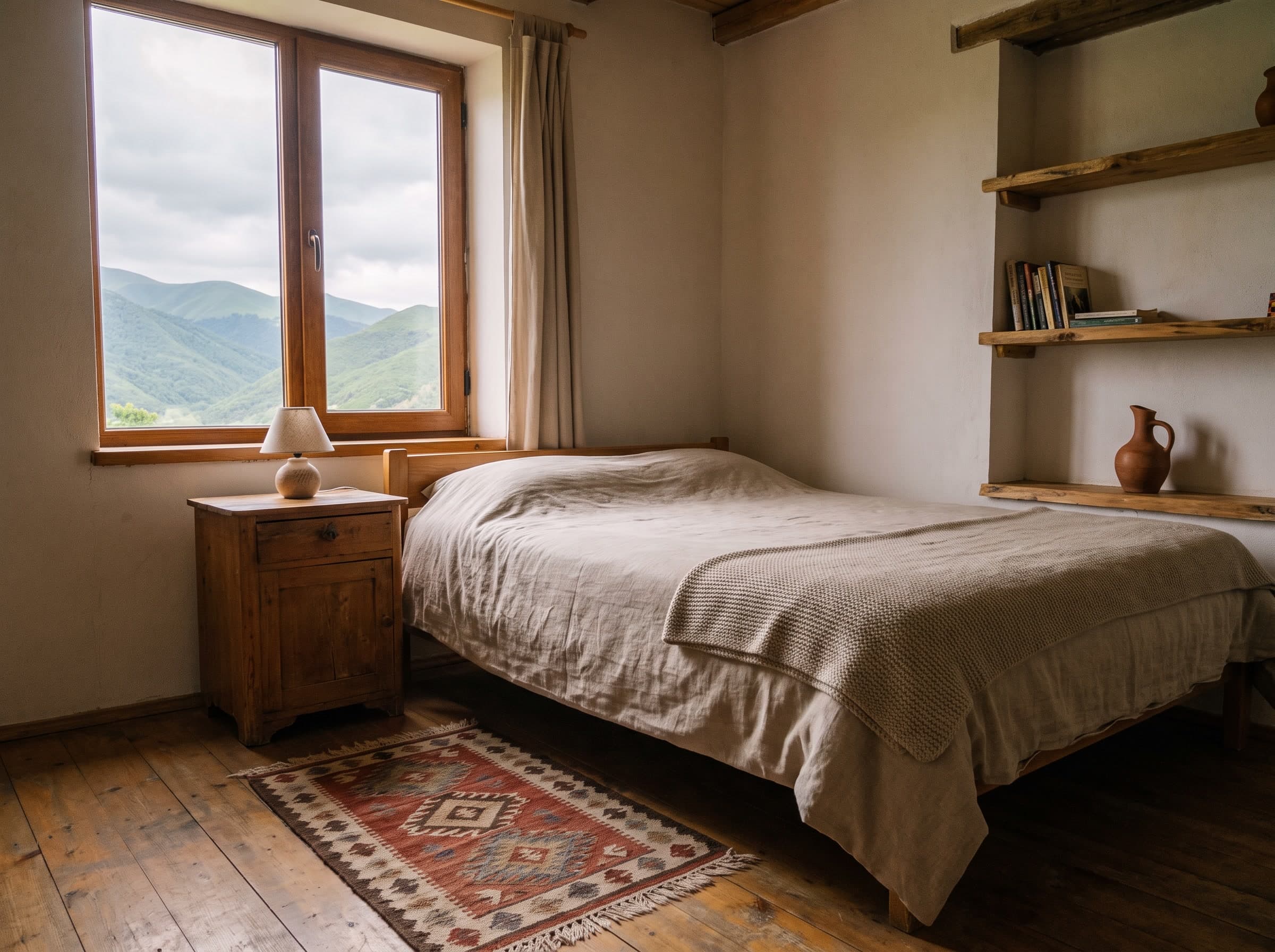
Here the middle is no compromise — it is the heart of it. Real tracks, local guesthouses, honest remoteness — and always a certified guide who knows the trails, the language and the legends. You get the story you will tell back home, without leaping into the unknown. Most of our guests choose Expedition: enough wilderness to feel something, enough footing to enjoy it.
For whom: most guests · seasoned travellers who want depth and balance
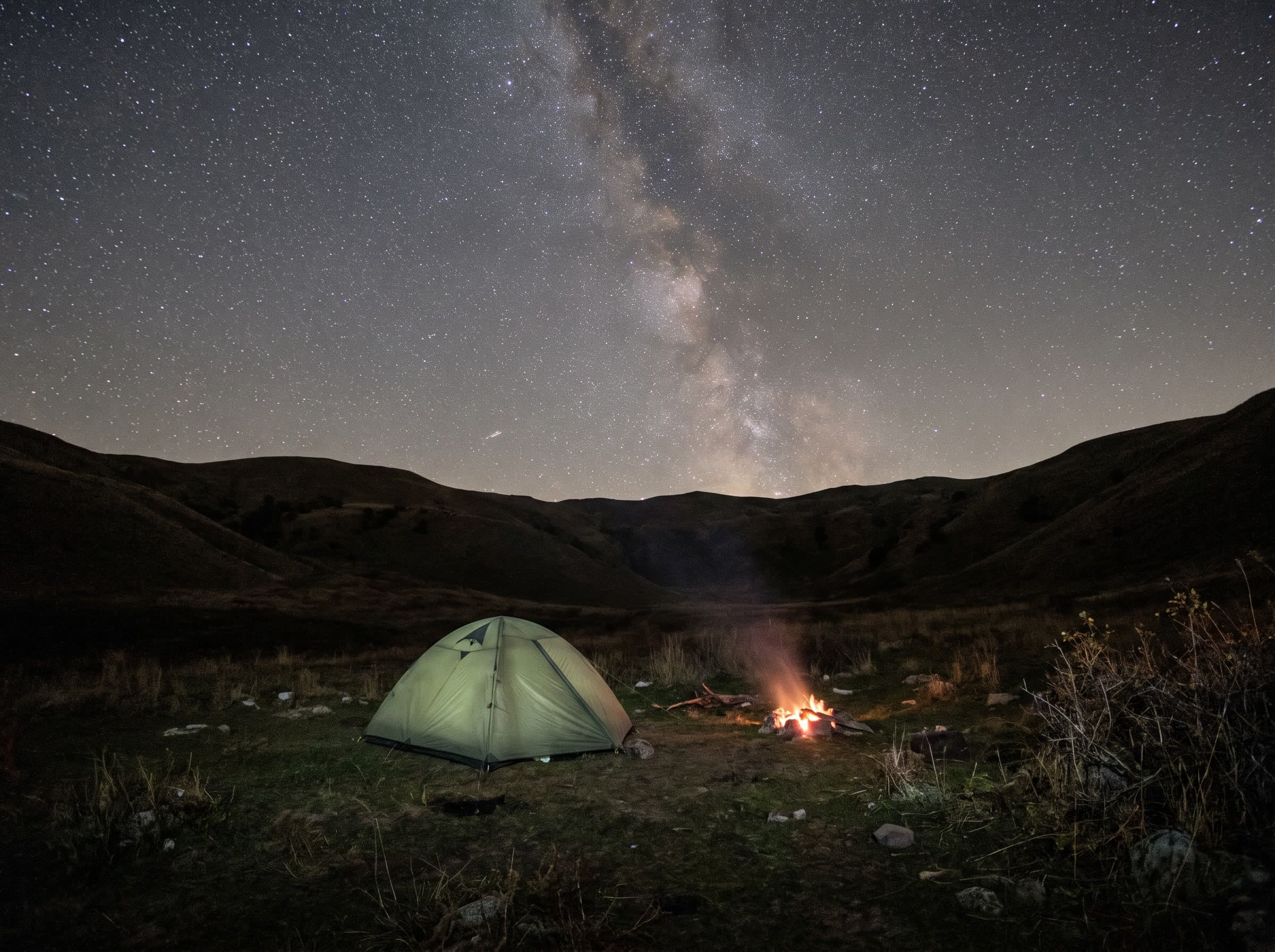
For the few. Frontier turns the hardship itself into the reward: wild camps under a sky with no light pollution, river crossings, the wheel in your own hands if you wish, in convoy behind our lead guide — no signal but our satellite network. This is not a holiday, it is taking part in an expedition. Master Frontier and you have everything else handled.
For whom: seasoned 4x4 adventurers · self-drivers · anyone chasing the edge
For guided tours as a passenger, none at all. For self-drive expeditions we require solid 4×4 experience and run a terrain clinic on day one.
Most tours involve moderate walking. Luxury and standard tours suit most healthy travellers; wilderness tours demand more resilience for camping and long days.
Small. We travel in compact convoys, so every guest gets time with the guide, quiet at the sites and room to adjust the route. Private expeditions are available on request.
We run expeditions all year. In winter we adapt the route: monasteries, gorges and the lowlands stay open, the high passes are limited — some of them we still drive with our specially equipped 4×4s. We'll tell you honestly what works on your dates.
Vehicle and equipment, fuel, guides, accommodation for your comfort tier, most meals, permits and the full safety infrastructure (satellite communication, first aid). International flights, any visa fees and personal spending are extra. The exact scope is spelled out in your quote.
Land Cruiser-class machines: Toyota Land Cruiser 80 and 78, Nissan Patrol, Land Rover Defender 110, Mercedes G-Class, Mitsubishi Pajero, Toyota Hilux and Lexus LX450. Every one of them carries low range, a winch, recovery gear, spare fuel and satellite communication. Your quote names the vehicle that suits your route.
It opens with the welcome briefing in Yerevan, then an off-road training session: low range, descents, tyre pressure, recovery. Keys follow. From there you drive your own vehicle in convoy behind the lead guide, who leads the track and sets the pace. If the training changes your mind, take the passenger seat instead.
Both, yes. Treat every route as a draft: stages can be swapped out, stretched, or topped up with day experiences, and any expedition will run for your group alone if you ask. Tell us the dates, the group and what pulls you here; the quote is built around that.