Signature
The South: Monasteries & Wine
7 days
2,400 m
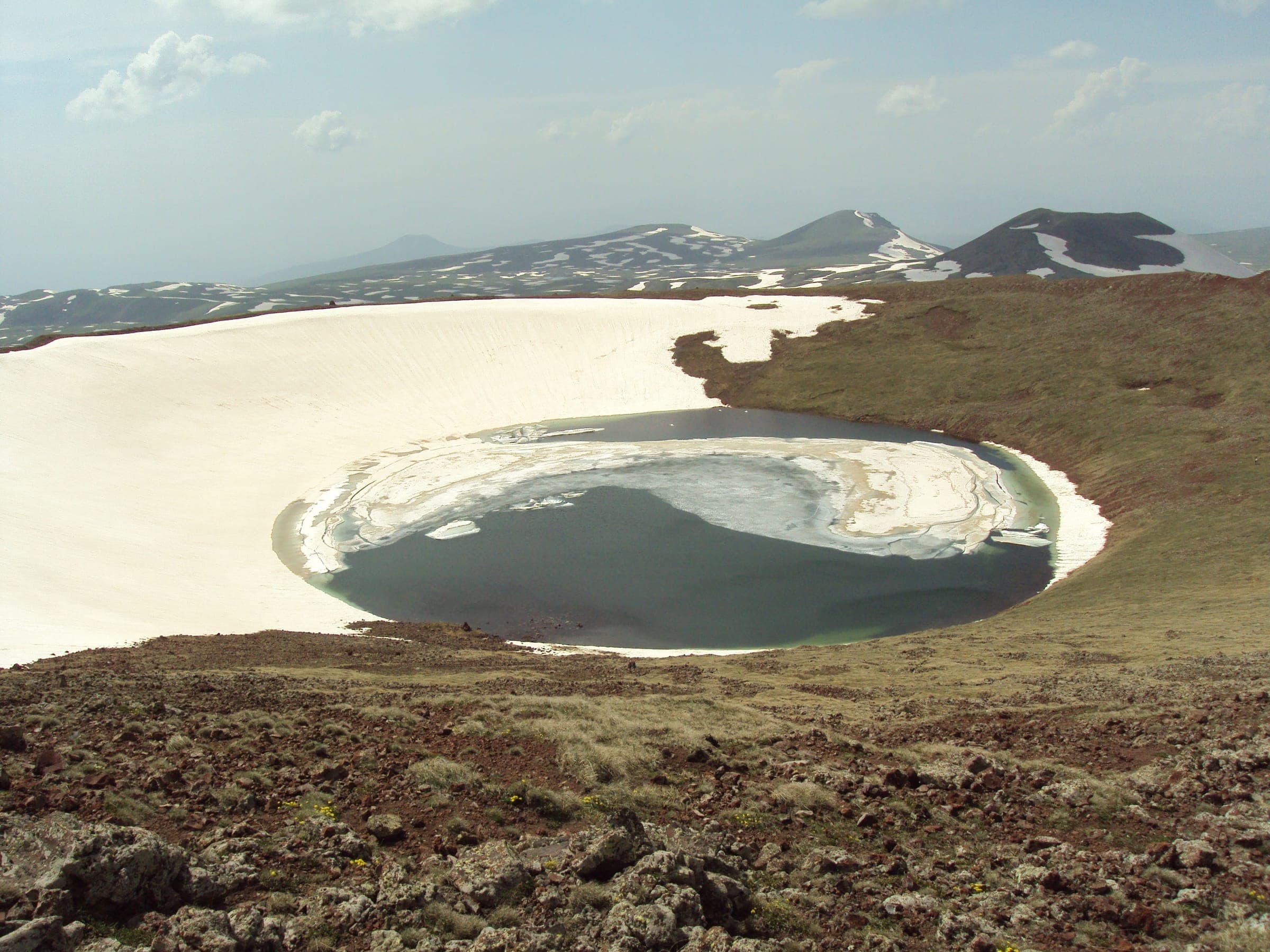
Jermuk, Vayots Dzor — At around 2,100 metres above Jermuk, warm mineral water rises straight out of the open ground — no building over it, no sign to it, no pipe leading anywhere. You reach it one way only: by four-wheel drive as far as the wheels will go, then on foot.
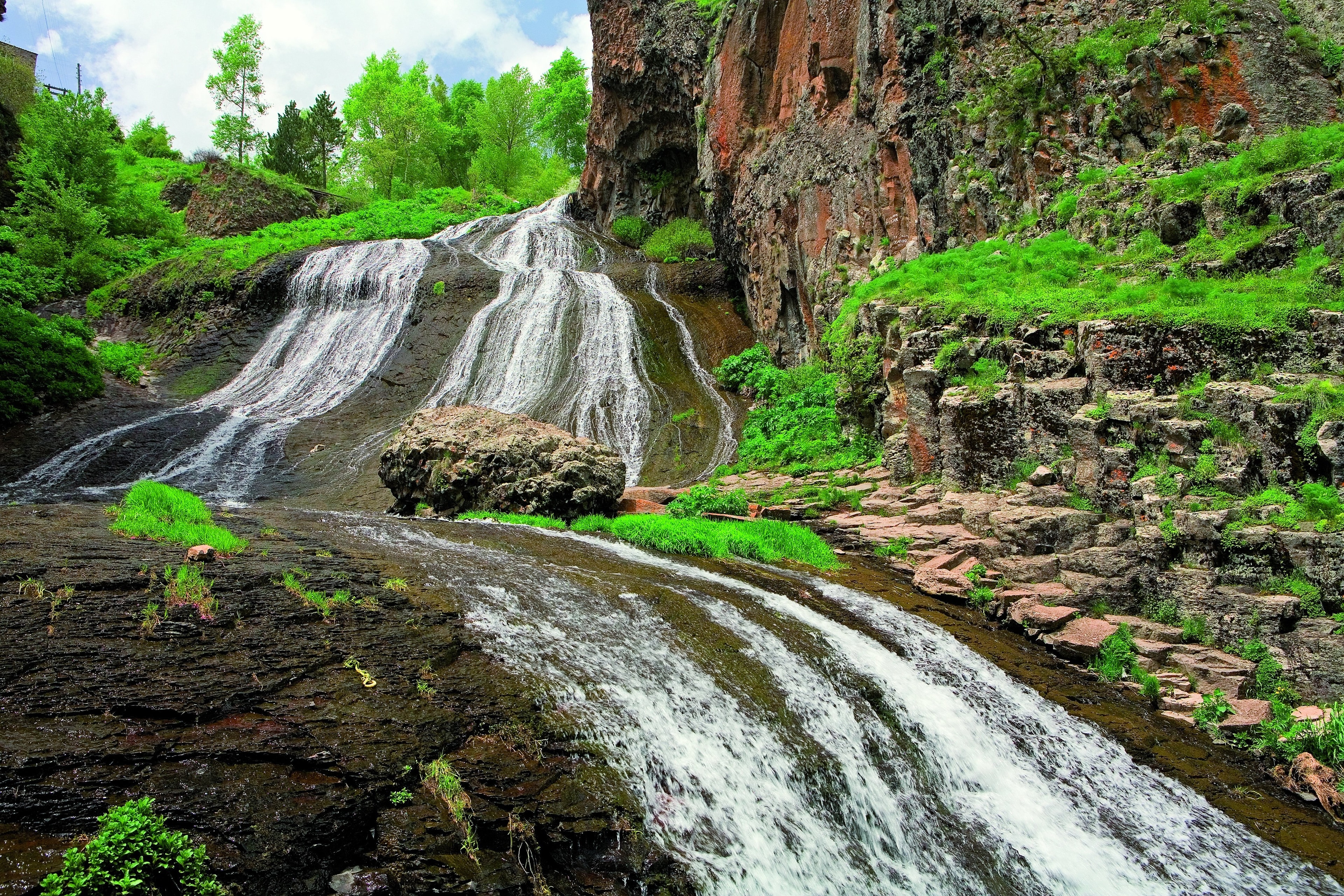
A few kilometres from the spa town of Jermuk, at over 2,000 metres, you wait beside a quiet pool on the open highland — no building, no sign, reachable only by 4x4. Then, every two to seven minutes, warm mineral water shoots from the ground and wraps you in a cloud of steam. All around is nothing but forest, waterfalls, and the smell of minerals and earth.
The spring sits high above the town of Jermuk, in the Vayots Dzor region of southern Armenia, at around 2,100 metres on an open highland plateau. Jermuk is long known for warm mineral water: down in the valley it comes out of the ground hot, between 57 and 64 degrees, and the town was built up around it as a health resort in the Soviet years. The plateau spring is where that mineral water surfaces on its own, high above the resort, cooled on the way up to a temperature you can actually sit in. It belongs to the mountain rather than the town, and reaching it means leaving the valley behind entirely.
Offroad & access
This is the drive you came for, factor 4 of 5. From the edge of town by the mineral-water plant, we take you up onto the plateau over loose gravel, deep washouts, and several stream and river fords; in the wet it turns into serious off-road work. The last stretch belongs to your feet: about five kilometres, one to two hours over flat ground with shallow stream crossings to the spring. Guided, in low range — nobody drives the washed-out tracks and high spring levels alone with us.
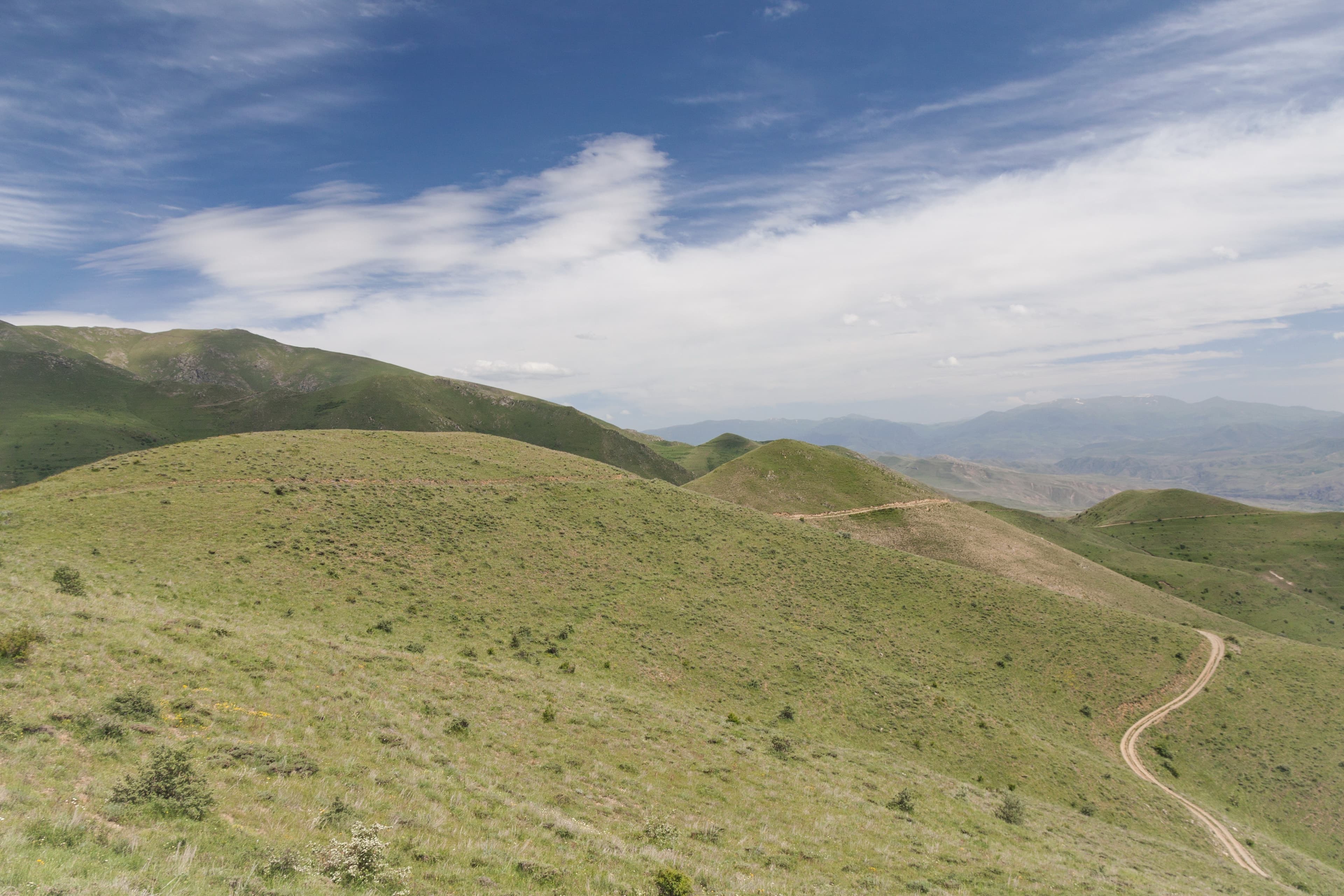
The spot gives nothing away as you arrive. There is no structure and no marked pool — just open highland, mountain meadow running to the horizon, streams cutting through it, and somewhere in the grass the water welling up warm from below. You find the pool, test it with a hand, and get in where the ground has shaped a basin of its own.
That plainness is the character of the place. The spring lies at around 2,100 metres in Vayots Dzor, in the south of Armenia, on a plateau with no road to its door. The water is mineral-rich and warm rather than hot up here — comfortable to sit in, faintly effervescent as gas works up through it. The off-road factor is 4 of 5: the plateau is reached only by 4x4, over washed-out tracks and several stream crossings, with the final stretch on foot. There is no infrastructure to speak of, which is exactly the point — the place is the water, the meadow and the quiet, and nothing else.
Jermuk's warm springs are not a recent discovery. The water here has been known and used since prehistoric times, and the name itself records it: "Jermuk" comes from the Armenian word for warm. For most of that history the springs were simply what they were — warm water coming out of the mountain, used where it surfaced.
The valley changed in the twentieth century. Under Soviet planning, Jermuk was built up into a full health resort, its hot mineral water piped into drinking halls, sanatoria and bathing houses down in the town. The spring up on the plateau was left out of all that. No basin was cut for it, no pipe run to it, no building raised over it; it stayed exactly as it had always been while the valley below was engineered around the same resource. That split — a developed spa town below, an untouched source above — is the whole reason the plateau spring is worth the climb.
The story of how the springs were found is told, as these stories usually are, through an animal. A hunter, so the tradition goes, had wounded a deer and followed it up into the mountains, expecting to finish the chase. Instead the animal reached the warm water, stepped into it, and after a while walked back out — its wound closed, its strength returned, unharmed. The hunter, the telling has it, understood then that the water healed, and the secret of Jermuk was out.
It is a legend rather than a record, and versions of the healing-animal tale attach to warm springs in many places. But this one has left a physical mark: in Jermuk a deer monument still stands, keeping the story in view. Whatever really led people to the springs thousands of years ago, the town has chosen to remember it as a debt owed to a deer — which tells you how central the healing water is to how Jermuk sees itself.
Almost everyone who comes to Jermuk stays in the valley — at the drinking hall, along the promenade, at the famous waterfall below the town. That is the Jermuk most people see, and it is pleasant, and it is busy. We take you past the end of it. The reward for the climb is simple and hard to get any other way: you sit in the same mineral water Jermuk is known for, but at its source, in the open, with the resort and its crowds an hour and a world below you.
The difficulty does the filtering. Because the plateau is reached only by a hard drive and a walk in, the spring almost never draws a crowd — most days it is you and whoever you came with. First the town, then the climb, then the water: by the time you are in the pool, the valley feels a long way off, and that distance is most of what you came up here for.
Reaching the spring is a committing off-road day, not a casual detour. The plateau is accessible only by 4x4, over loose, washed-out tracks with several stream and river crossings; in wet weather, or when spring meltwater is high, it turns into serious terrain and should only be driven guided and in low range. The last stretch is on foot — roughly five kilometres, one to two hours over flat ground with shallow stream crossings to the source. Best season is about May to October; outside it, snow and high water close the route. Bring footwear you do not mind getting wet, something warm for 2,100 metres, and time — this is a half-day out from Jermuk in its own right, not a quick stop between other things.
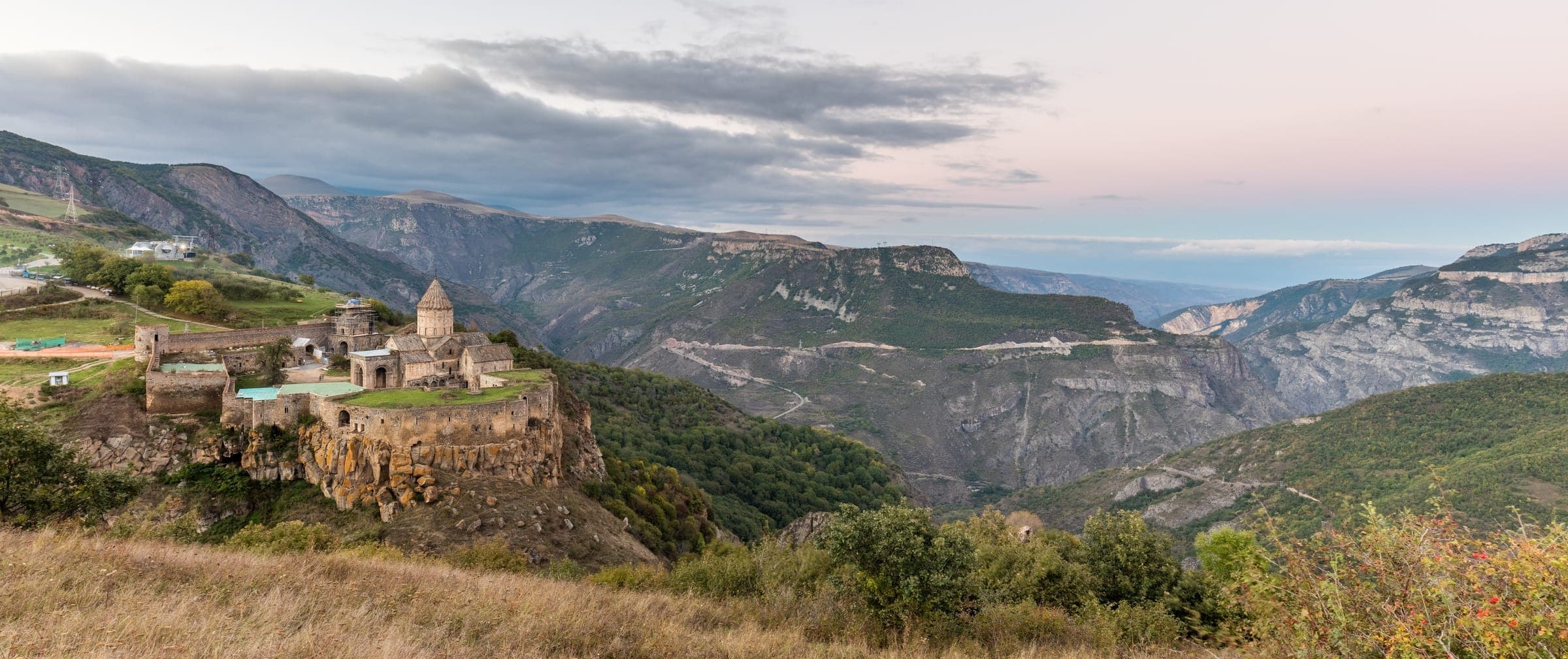
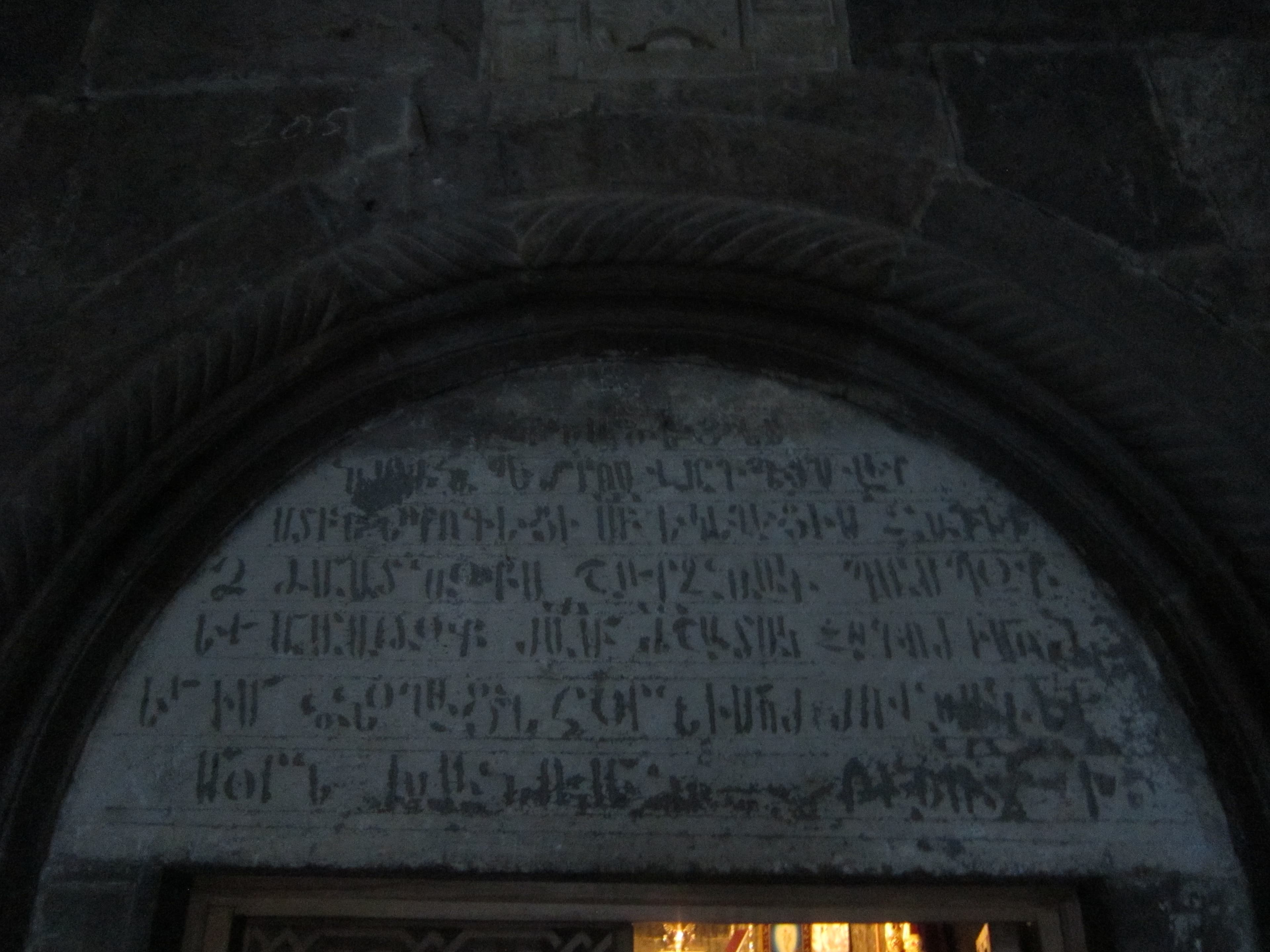
Vayots DzorMonastery
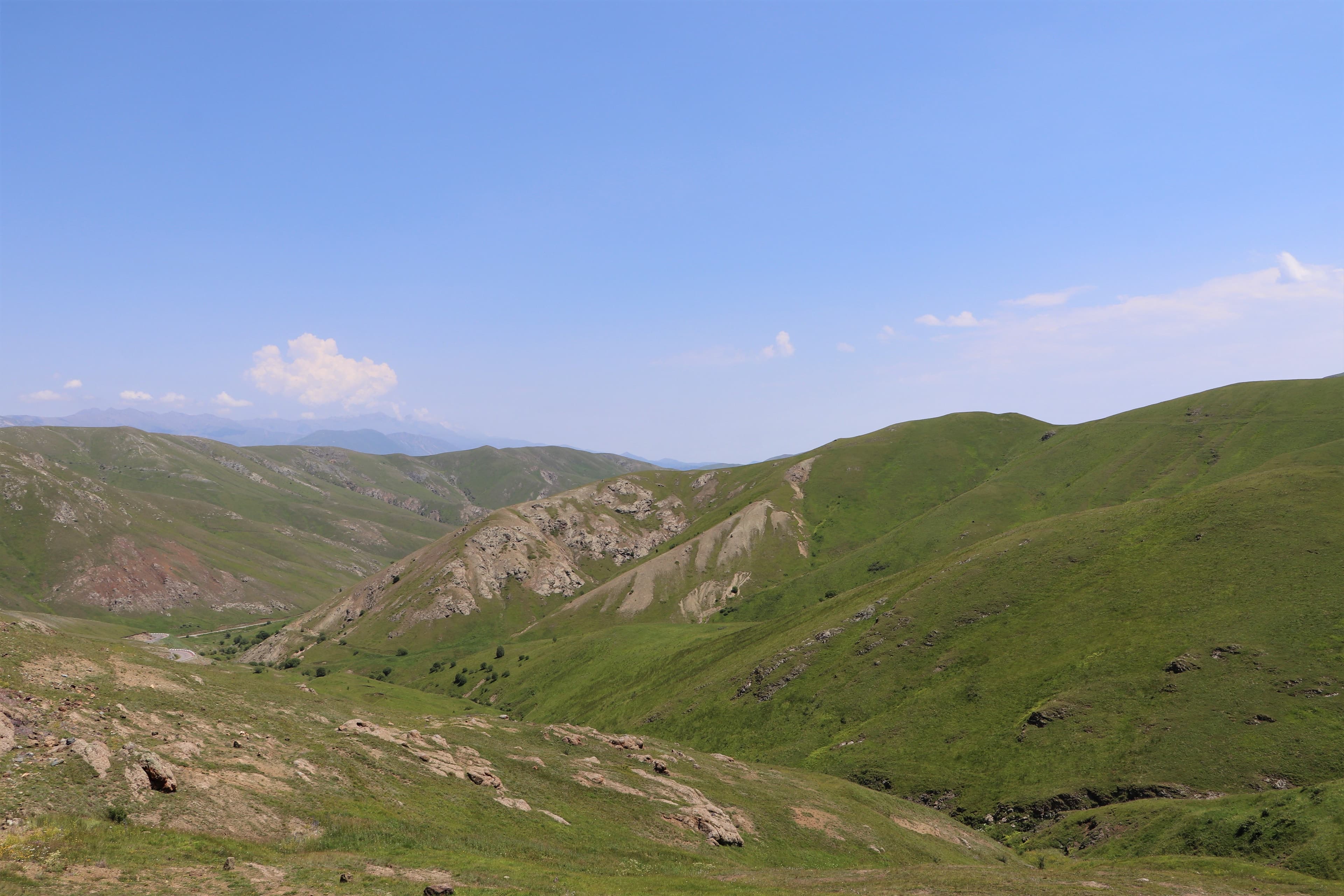
Vayots DzorMountain
Vayots DzorMonastery
Want to reach the Jermuk Geyser yourself? Talk to Armenia Expeditions about the guided 4x4 access, stream crossings and closing walk included. One message — we’ll plan the rest.