Signature
Vayots Dzor Compact: Wine & Monasteries
2 days
2,140 m
Mostly a driving question: one night in the north is part of it.
At a glance
Every route is put together differently — we work out the price once you ask.
Fitness
Long days in the car and a lot of standing; the monastery grounds themselves take half an hour to walk.
Why these months
In January and February we advise against it: the road through the Debed valley to Haghpat and Sanahin is the most unpleasant stage of the route in snowfall, and the short days leave little time for the north.
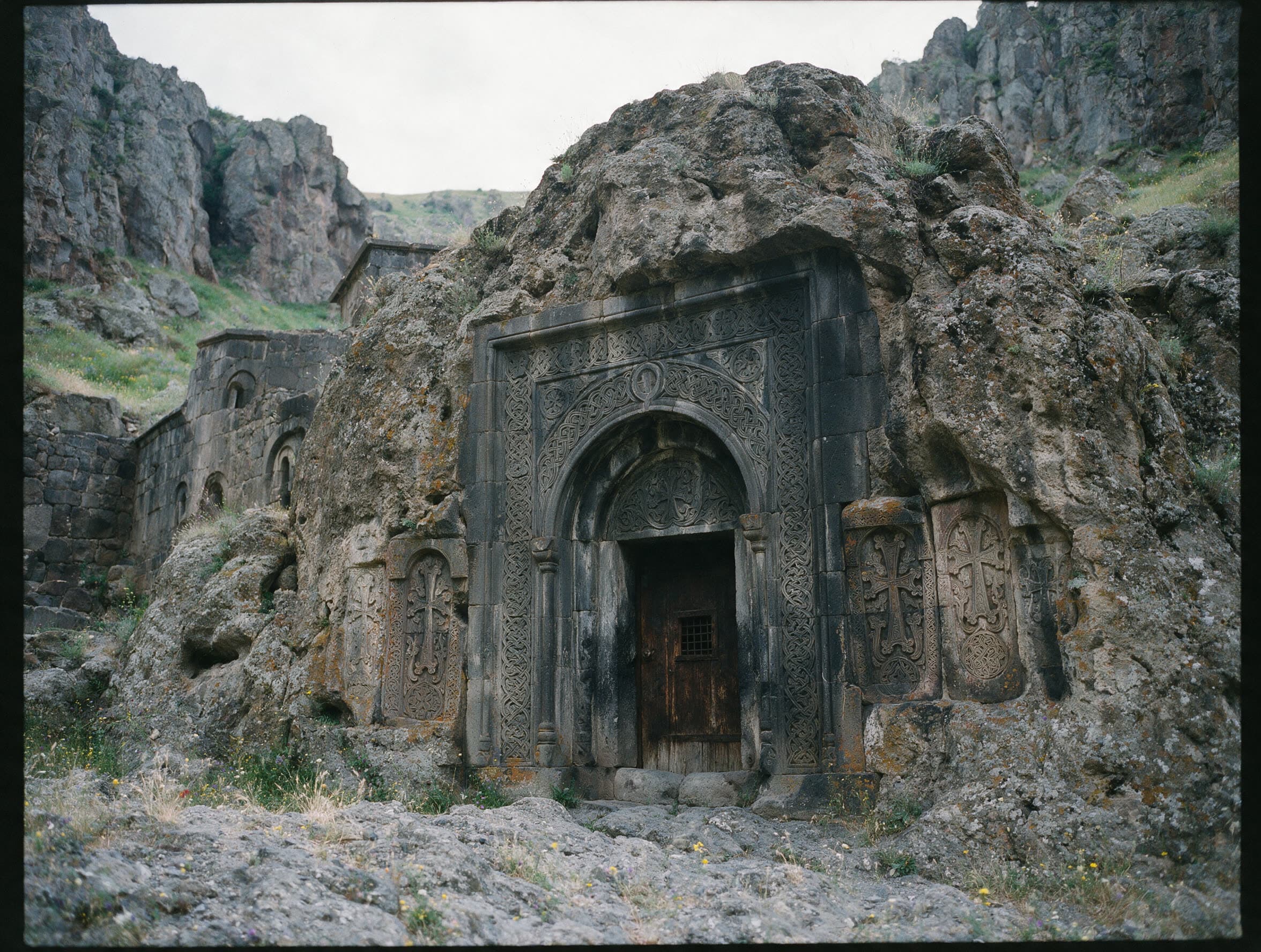
The World Heritage listing for Geghard does not cover the monastery alone. It covers the monastery and the upper Azat valley — the gorge, the cliffs and the way in. That is how the inscription reads, and it changes how you look at the drive there.
Armenia has three entries on the World Heritage list, and they lie far apart. Etchmiadzin, with its churches in Vagharshapat and the ruins of Zvartnots, sits half an hour west of Yerevan. Geghard is an hour to the east. Haghpat and Sanahin are in Lori, three to four hours north in the Debed valley, two monasteries on opposite sides of the valley and within sight of each other.
So this route is mostly a driving question. The southern part of the list fits into one day; for the north you need a night away. Anyone who tries all of it in a day has seen four car parks by evening.
We drive the northern stage in the morning. The road through the Debed valley is long, narrow and unpleasant in the dark, because unlit vehicles are everyday traffic there. Up in the afternoon, down by evening — that order works.
At Etchmiadzin a weekday gives you a cathedral and a feast day gives you a crowd in front of it. We tell you beforehand what is happening and agree a meeting point before we go in.
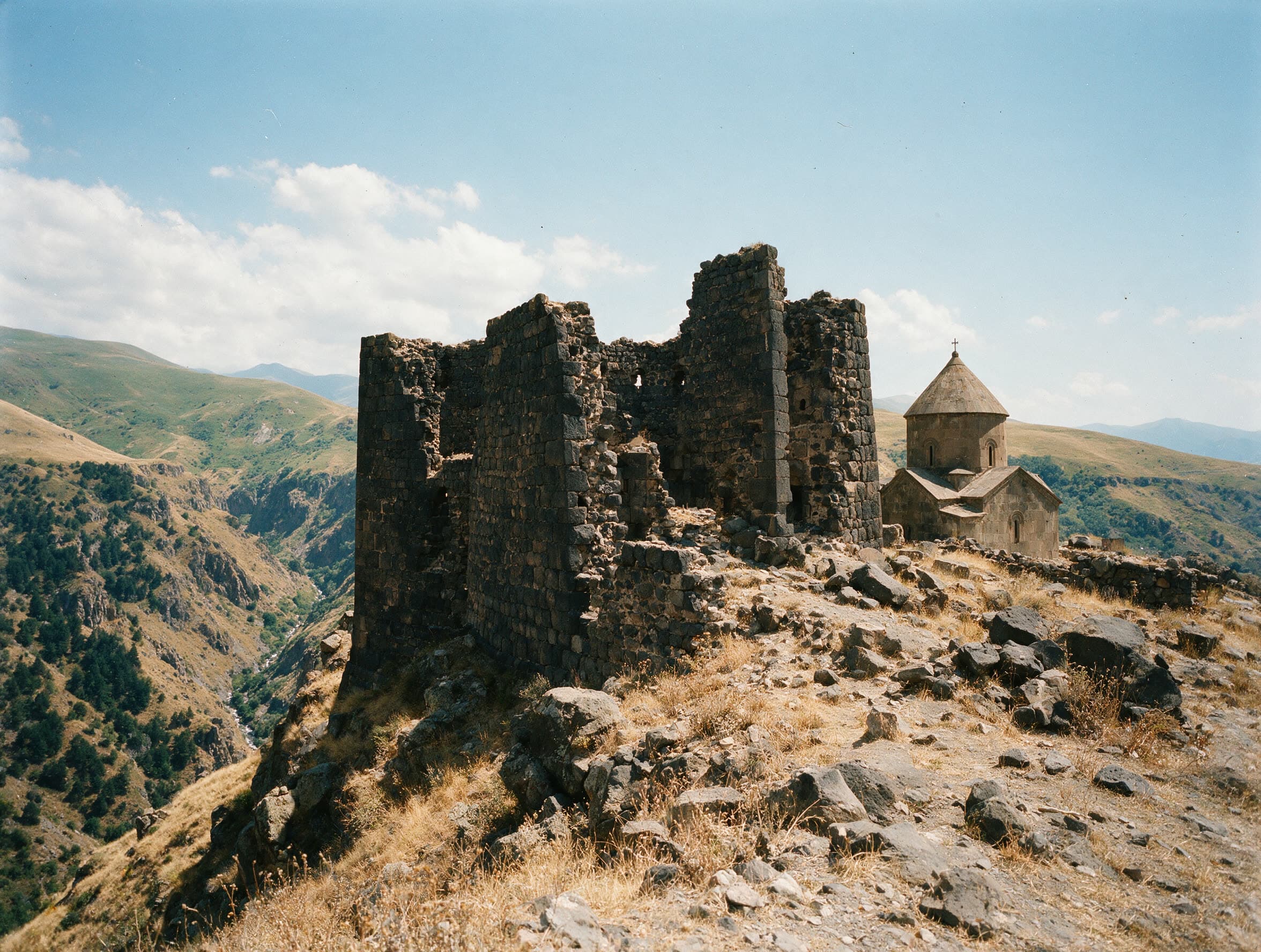
You can lay Haghpat and Sanahin side by side, and that is the real gain of this route. Two monasteries from the same period and the same building school, a few kilometres apart — and still almost every visitor comes away with a favourite. Which one depends less on the architecture than on the weather that day. The drive between the two takes a quarter of an hour, and most people do it twice because they want to check their choice again.
With snow in the north we reverse the order and drive west first. The day does not fall through, it just looks different.
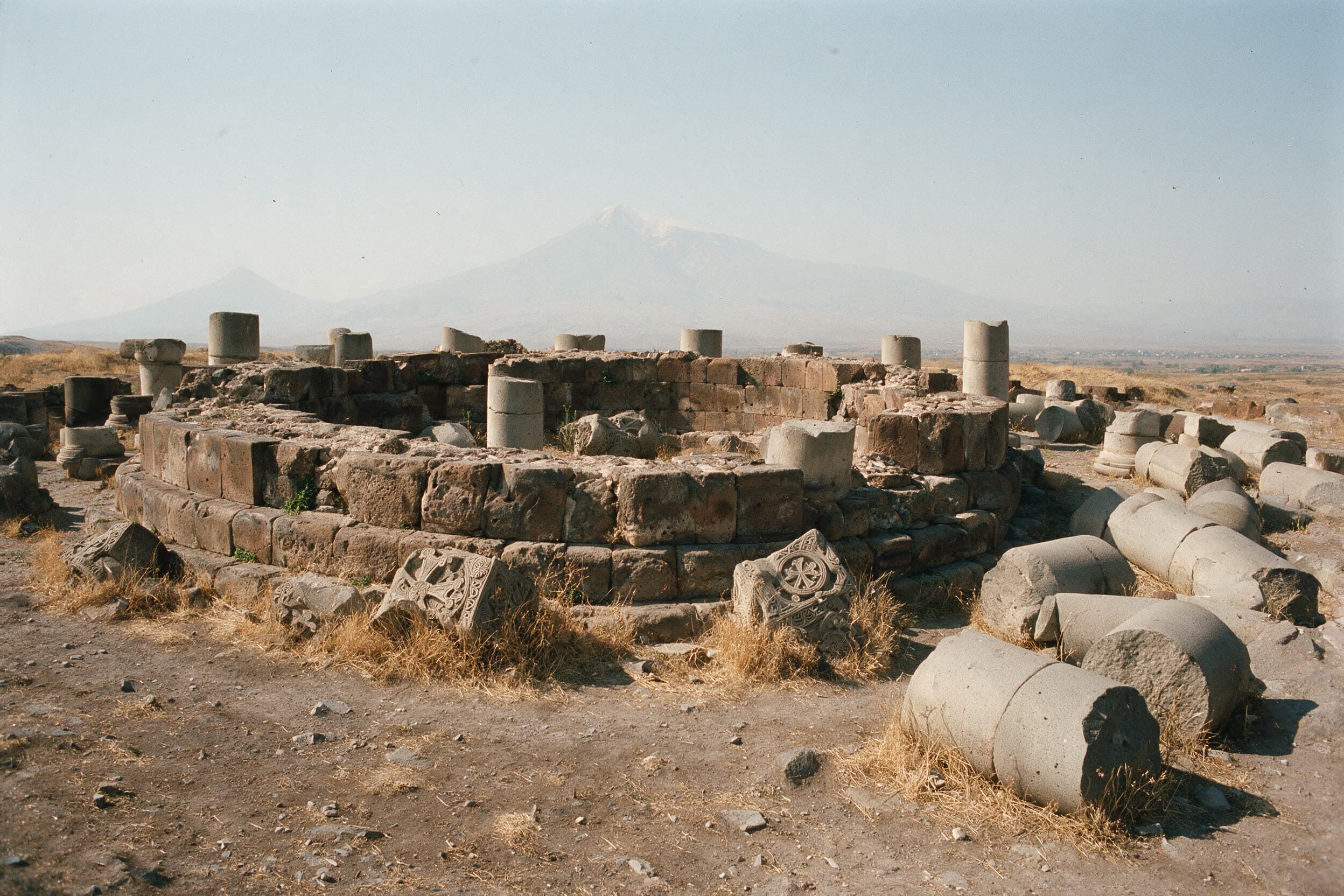
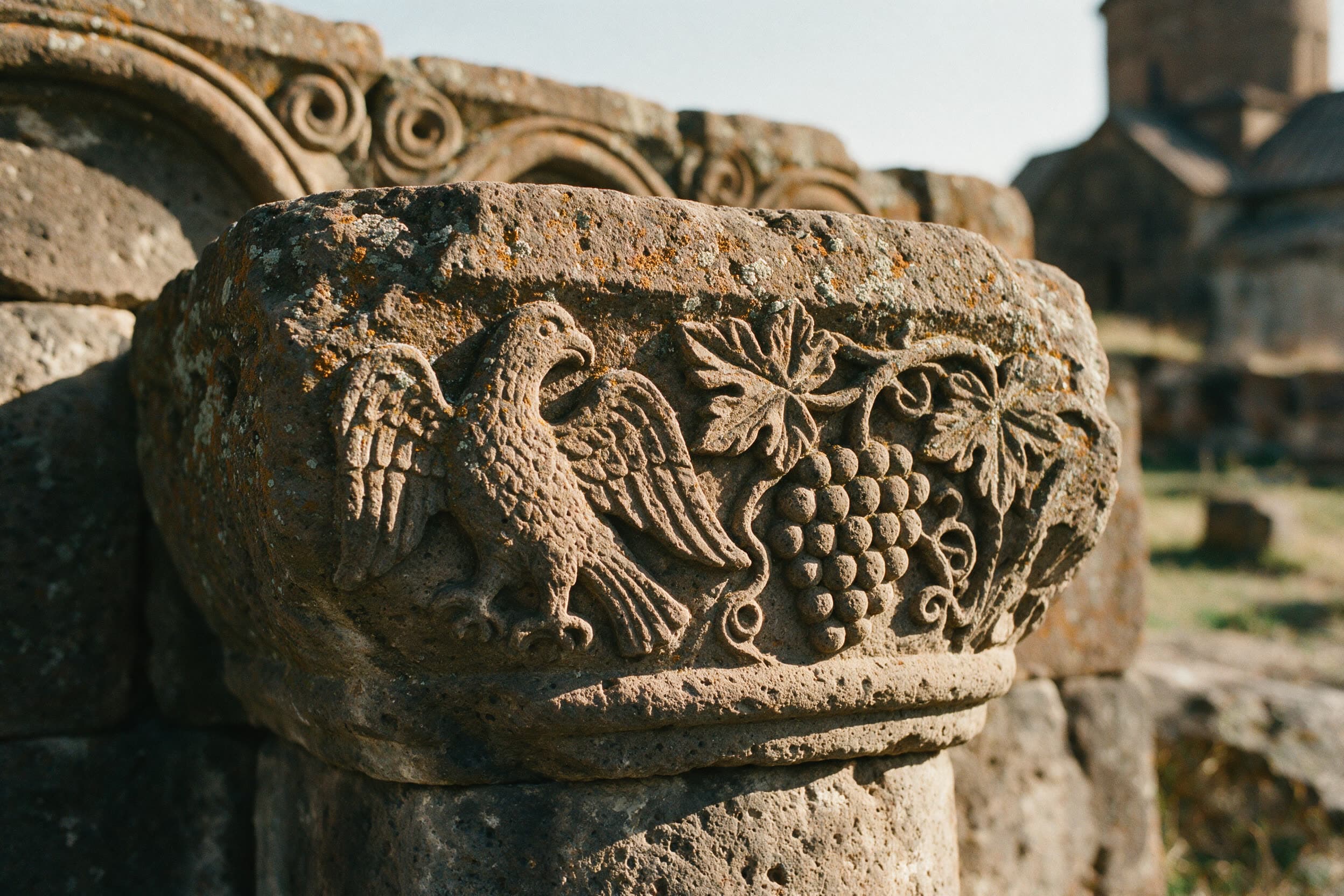
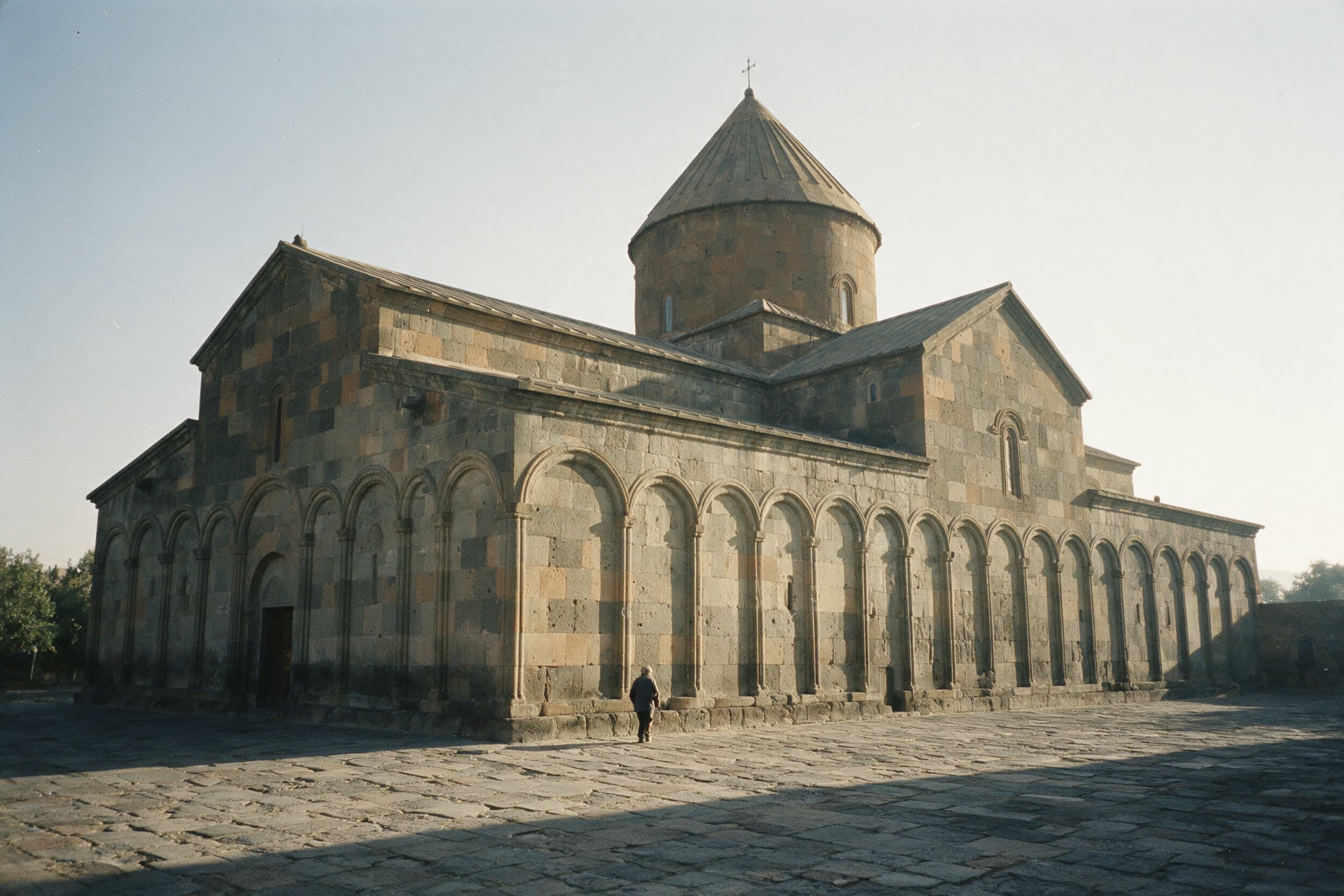
Weather mostly changes the order here. If there is snow in the Debed valley we drive west to Etchmiadzin first and push the north back by a day. Nothing gets cut as long as the roads are open.
The biggest risk on this route is the road, not the site. We drive the long northern stage in the morning and never after dark. On feast days Etchmiadzin is crowded; we agree a meeting point and a time before going in, so that nobody gets lost in the crowd. Inside the monasteries the usual care applies: unlit side chambers, open stairs, no climbing on walls.
Every one of our expeditions can be extended with this experience — just say so in your inquiry.
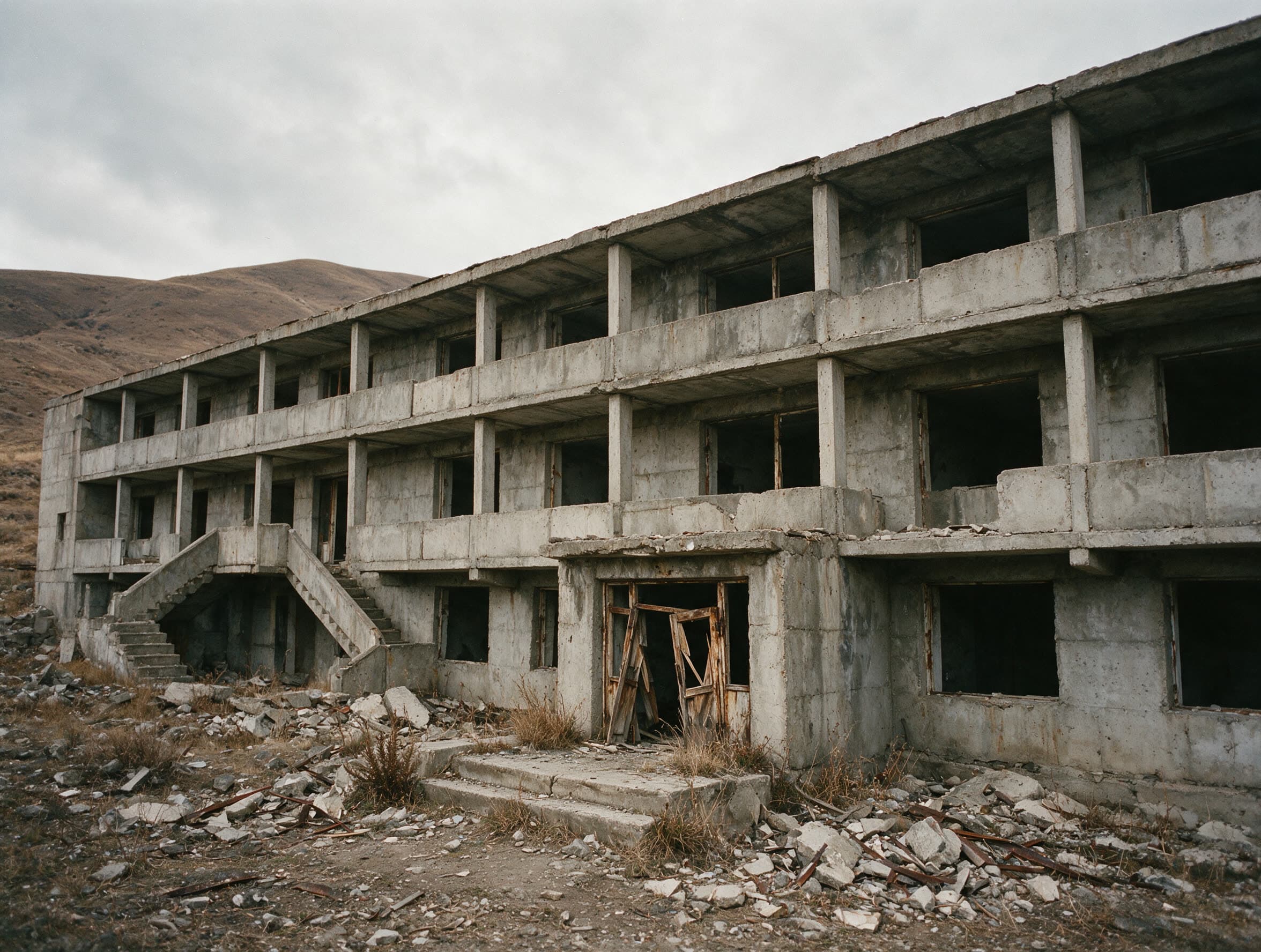
We take nothing and leave nothing. That is the only reason this exists.
Sound like your kind of day?
Tell us what draws you — we'll build it into your trip or plan it on its own.