Signature
The South: Monasteries & Wine
7 days
2,400 m
Anyone gets up dry grass. Coming back down is the hard part.
At a glance
Every route is put together differently — we work out the price once you ask.
Fitness
Twenty minutes to an hour and a half of climbing over grass and scree, plus uneven ground inside the ruins themselves.
Why these months
From December to March we advise against it: slippery ground on an unrailed wall top is the one risk we cannot cushion.
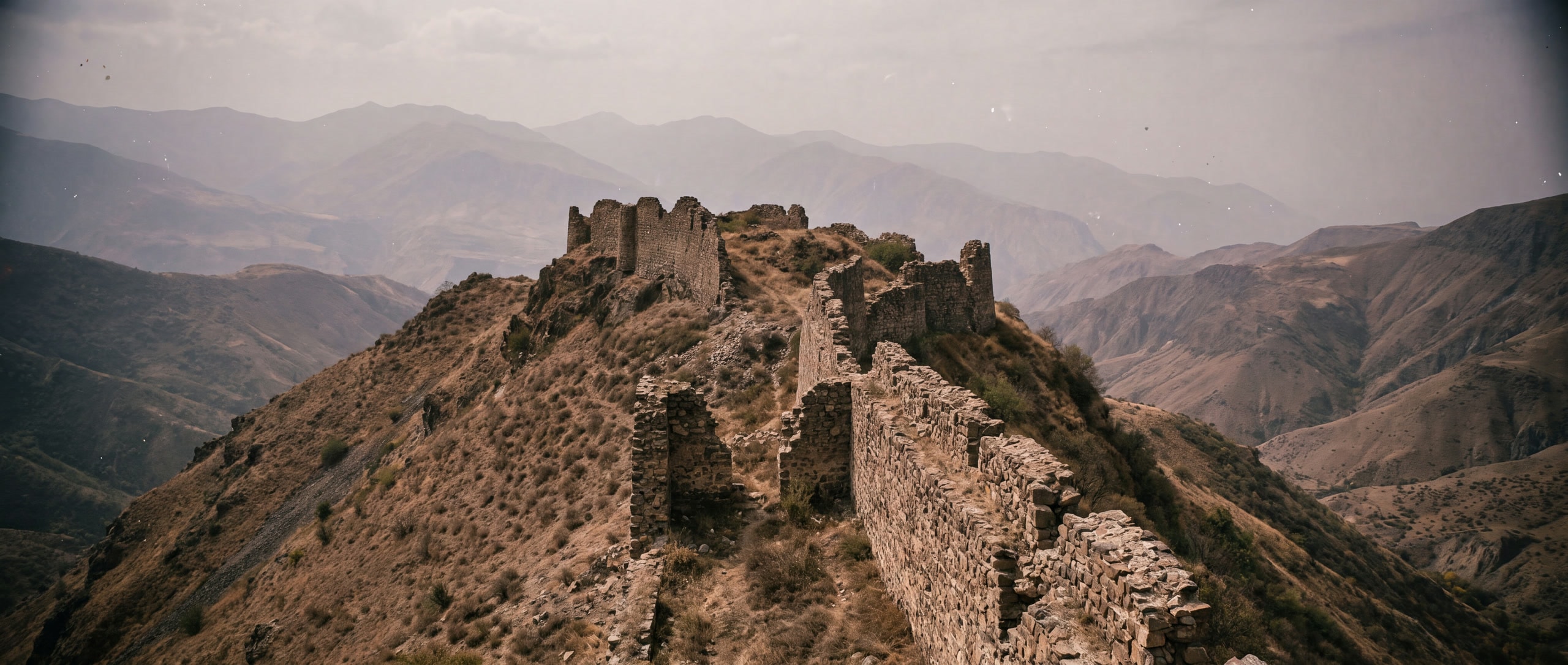
You stand below Smbataberd and there is nothing to read: no ticket booth, no sign, no panel. In front of you is a ridge, a path up, and at the top a wall that ends at the drop on both sides. Who built it and exactly when is still argued over; that nobody came up here unseen you work out yourself in five seconds.
Armenian fortresses sit in inconvenient places, and that is the whole point. Amberd stands on a spur between two gorges in Aragatsotn — at least a mountain road runs there as far as the car park. To Smbataberd in Vayots Dzor and to Kakavaberd above the Azat, none does. In both cases the driveable track stops short and you walk the last steep section. Twenty minutes to an hour and a half, depending on where the vehicle has to stay.
Nothing is explained on site. There are no panels, no barriers and no paths that route you around holes. Cisterns are open, wall tops have no edge that holds, and stones that have lain for a thousand years are not fixed in place because of it.
Alongside the fortresses come the excavations. Zorats Karer near Sisian, where standing stones with bored holes form a circle and the readings swing between burial ground and observatory. The petroglyphs of Ughtasar — hunters, animals and signs struck into black rock, above three thousand metres and under snow for most of the year. And Dvin on the Ararat plain, where the foundations of a city that was once a capital lie in flat farmland.
A day carries two such places if they are close together. Three turn into a lot of driving. Which two it is follows from the road — Ughtasar alone costs half a day of highland track just to get there.
Allow time for the descent. Anyone gets up dry grass; the same grass after a shower turns into a slide, and the way back then takes longer than the way up.
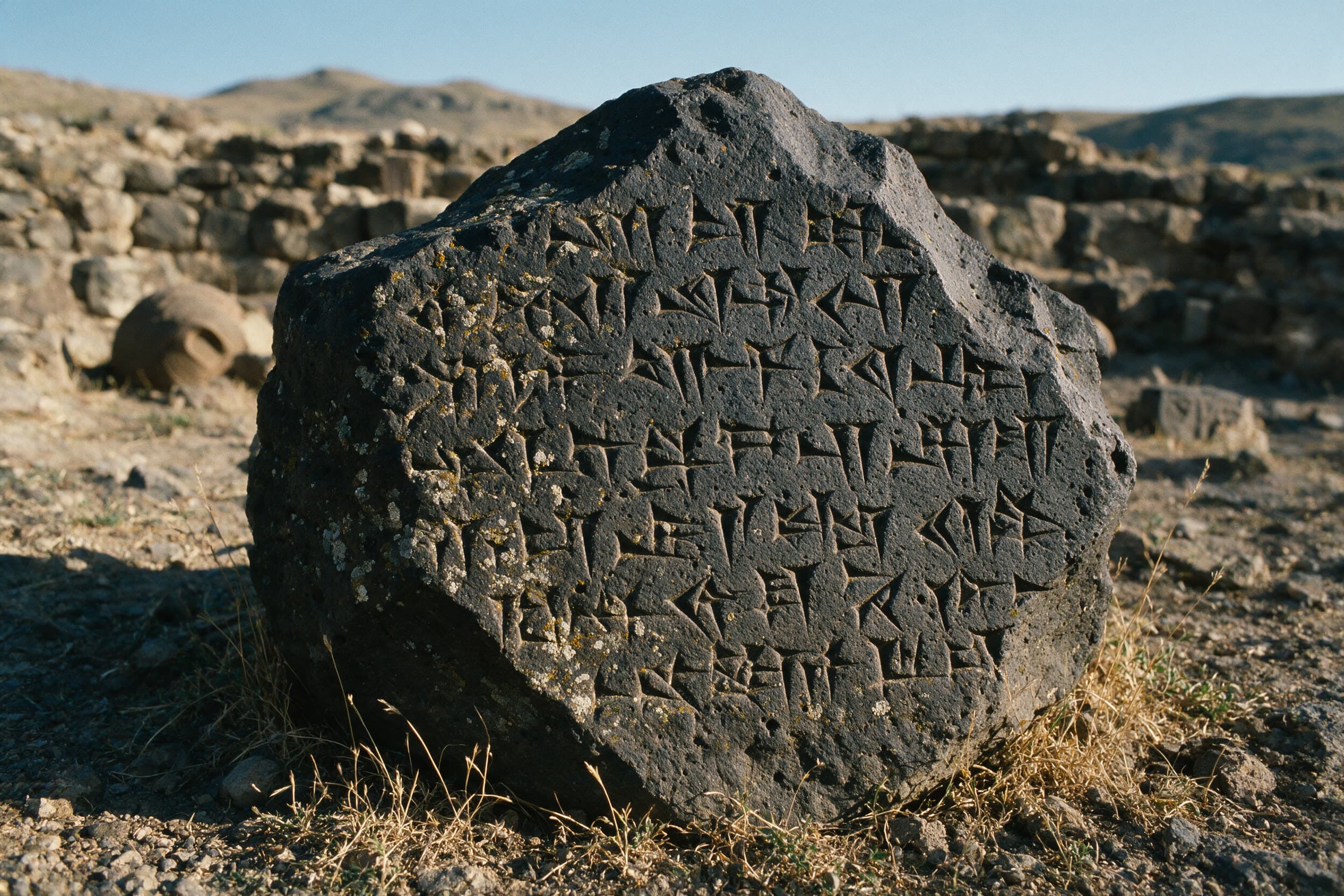
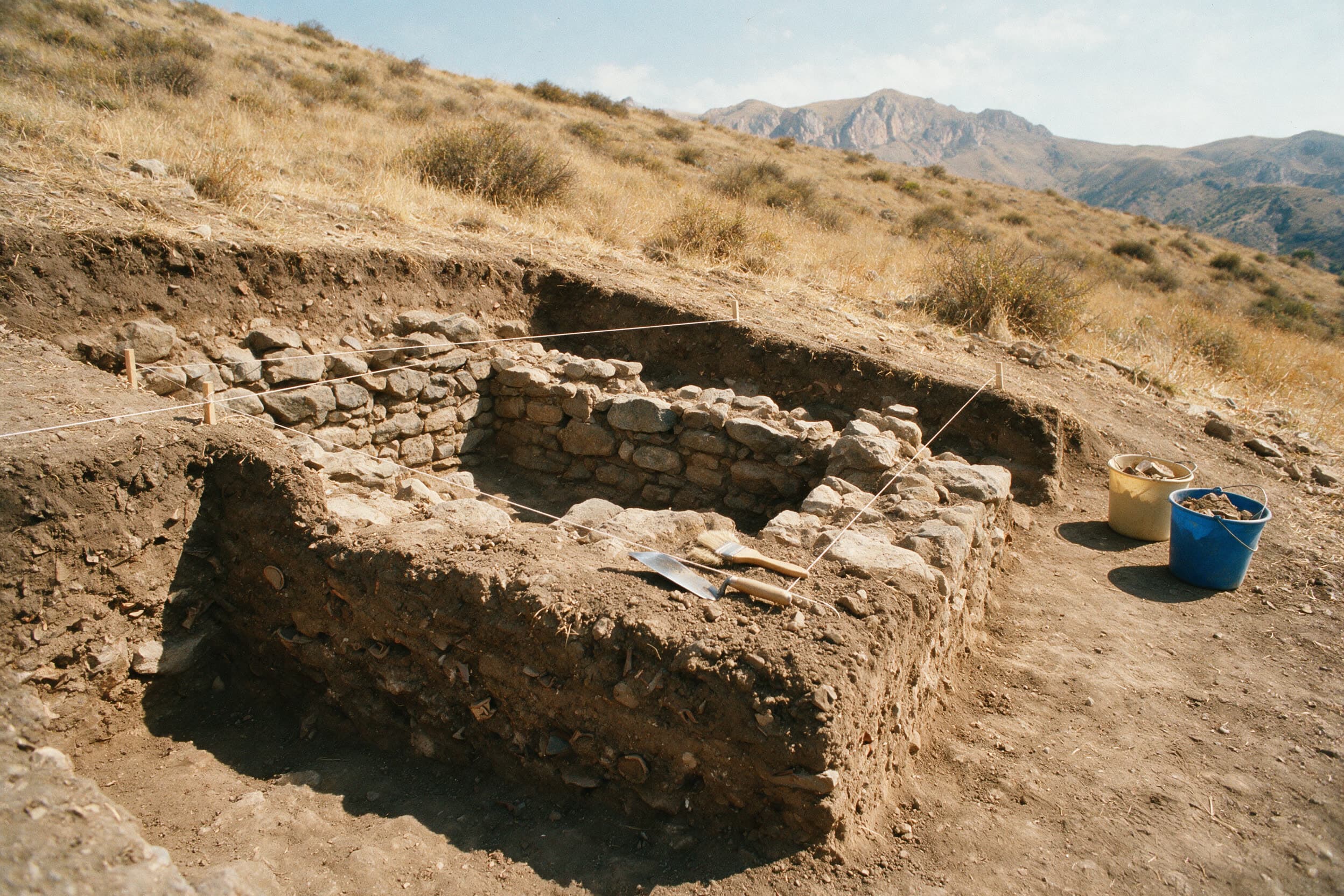
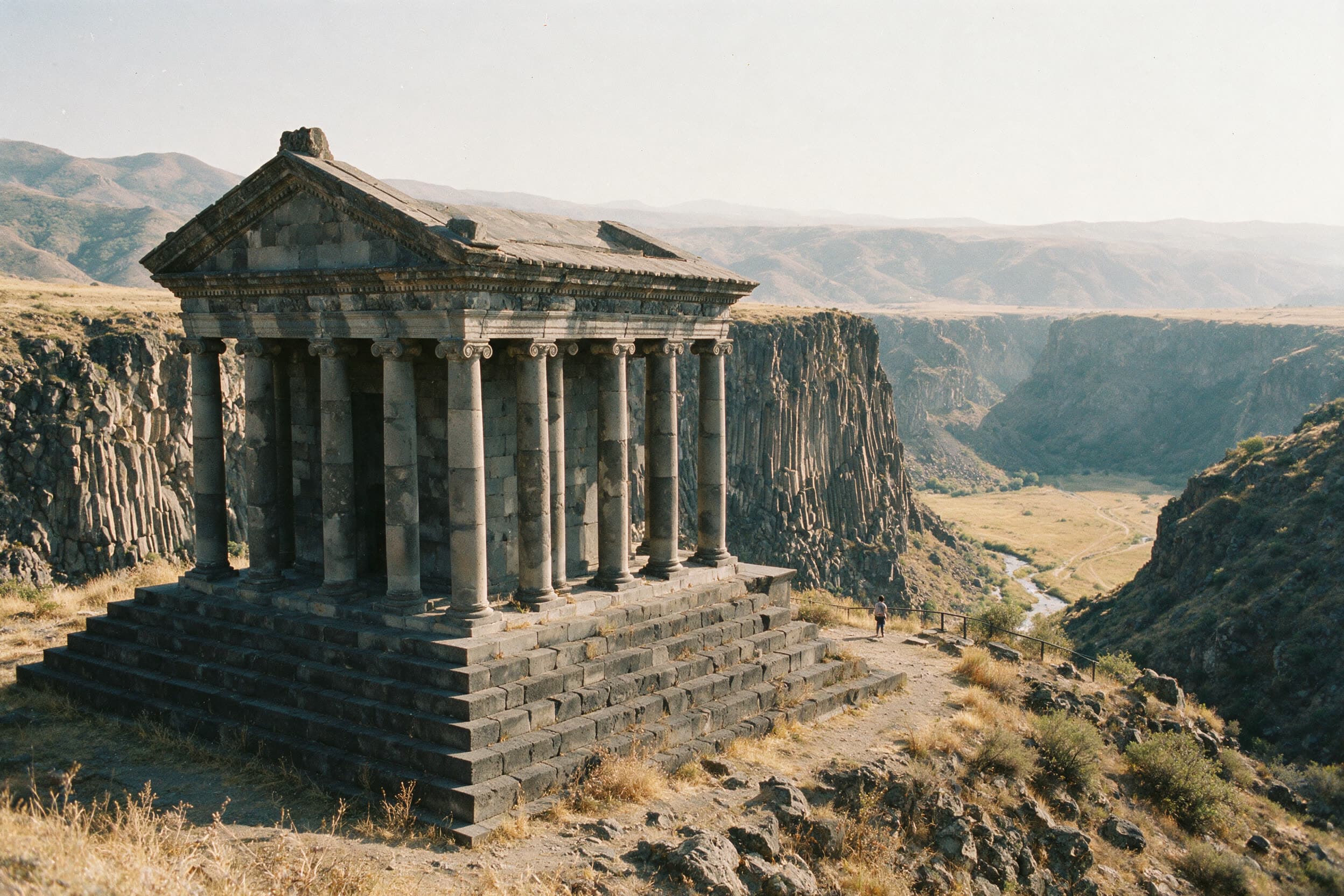
Dry grass over clay turns slippery within minutes after a shower, and downhill is worse than uphill. Up in the ruin itself, little happens to you. With rain forecast we swap Smbataberd or Kakavaberd for a place with a made-up access road.
Inside the ruins the group stays together and nobody walks on the wall tops: they are not secured, and after a thousand years the masonry sits looser than it looks. Open cisterns are partly hidden under turf — so we stay on the worn lines rather than cutting across. Before the climb we say how long it takes, so nobody has to abandon it halfway.
Every one of our expeditions can be extended with this experience — just say so in your inquiry.
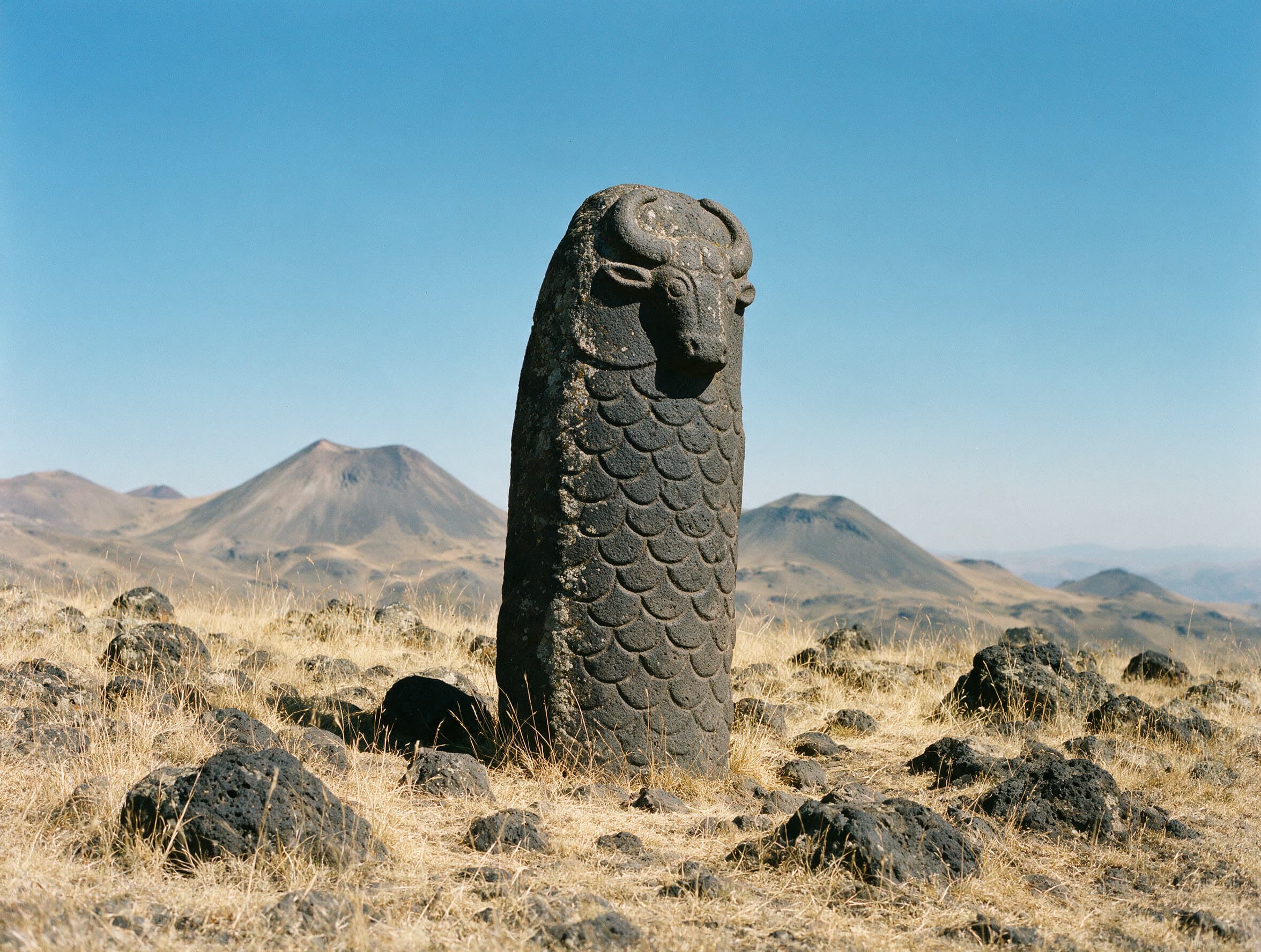
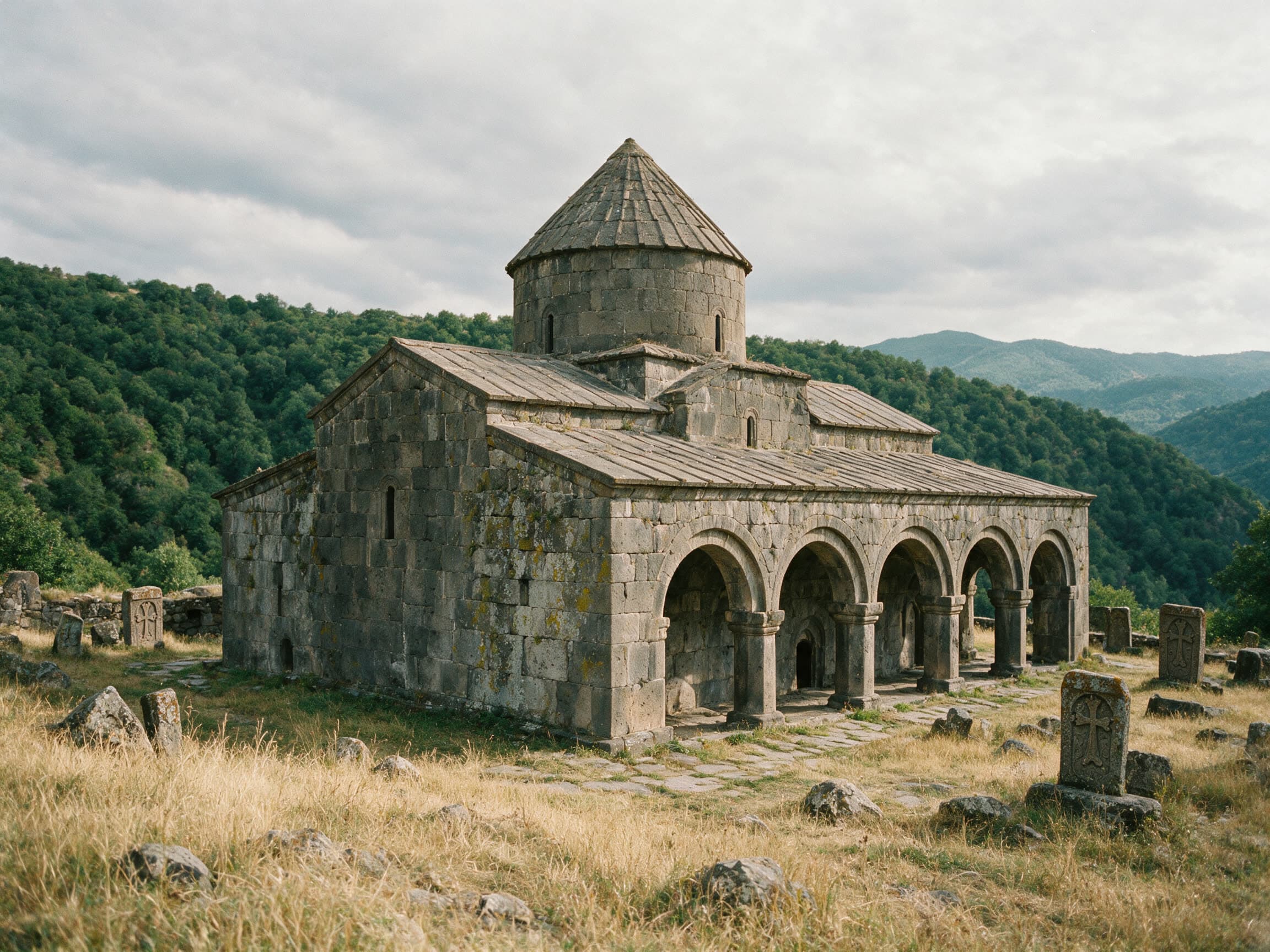
Mostly a driving question: one night in the north is part of it.
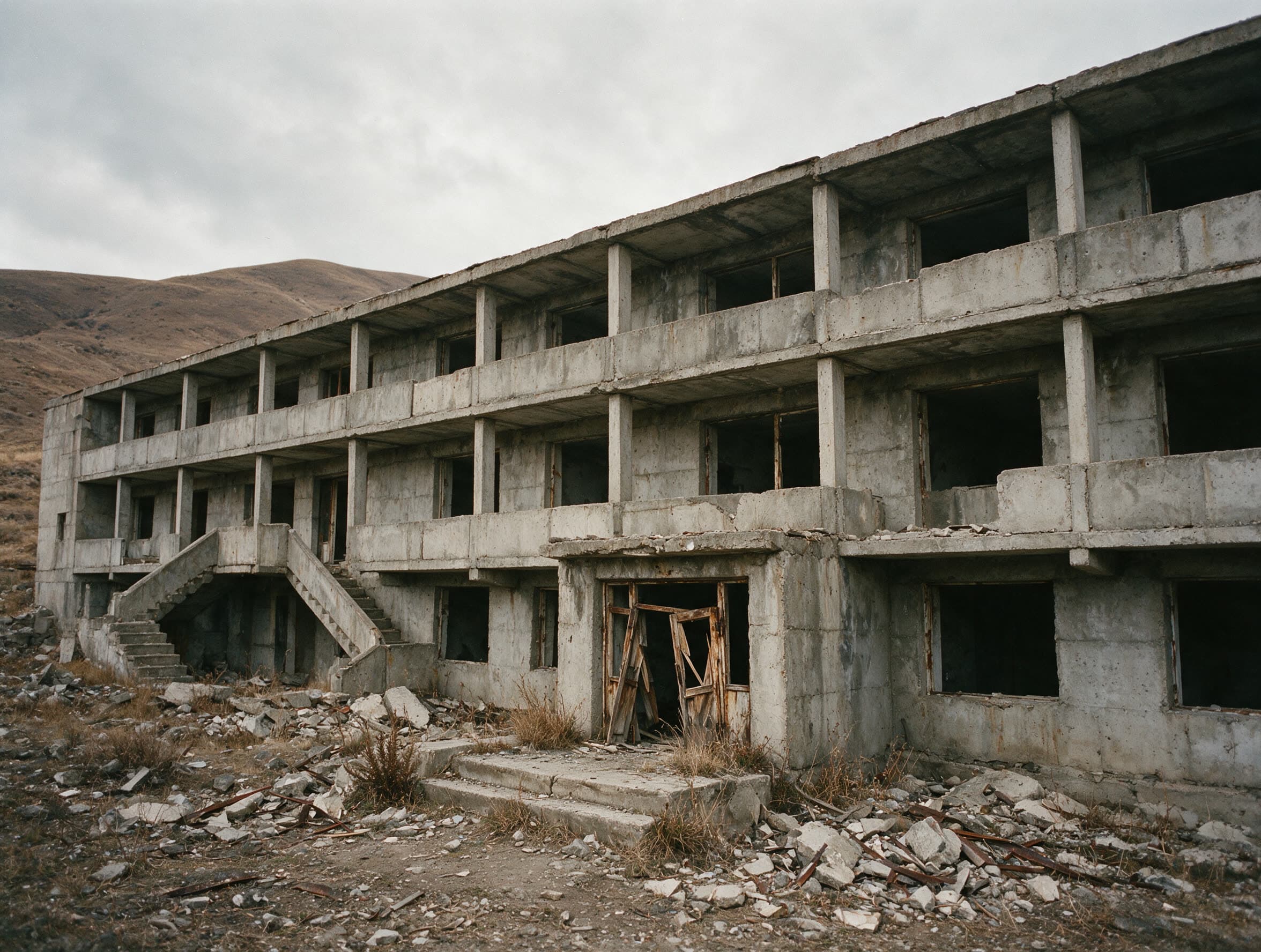
We take nothing and leave nothing. That is the only reason this exists.
Sound like your kind of day?
Tell us what draws you — we'll build it into your trip or plan it on its own.