Explorer
South Expedition Compact
4 days
2,350 m
We take nothing and leave nothing. That is the only reason this exists.
At a glance
Every route is put together differently — we work out the price once you ask.
Fitness
Four to six hours on your feet, many stairs without railings, climbing over rubble now and then.
Why these months
From December to February we advise against it: rooms without power are too dark to move through by early afternoon.
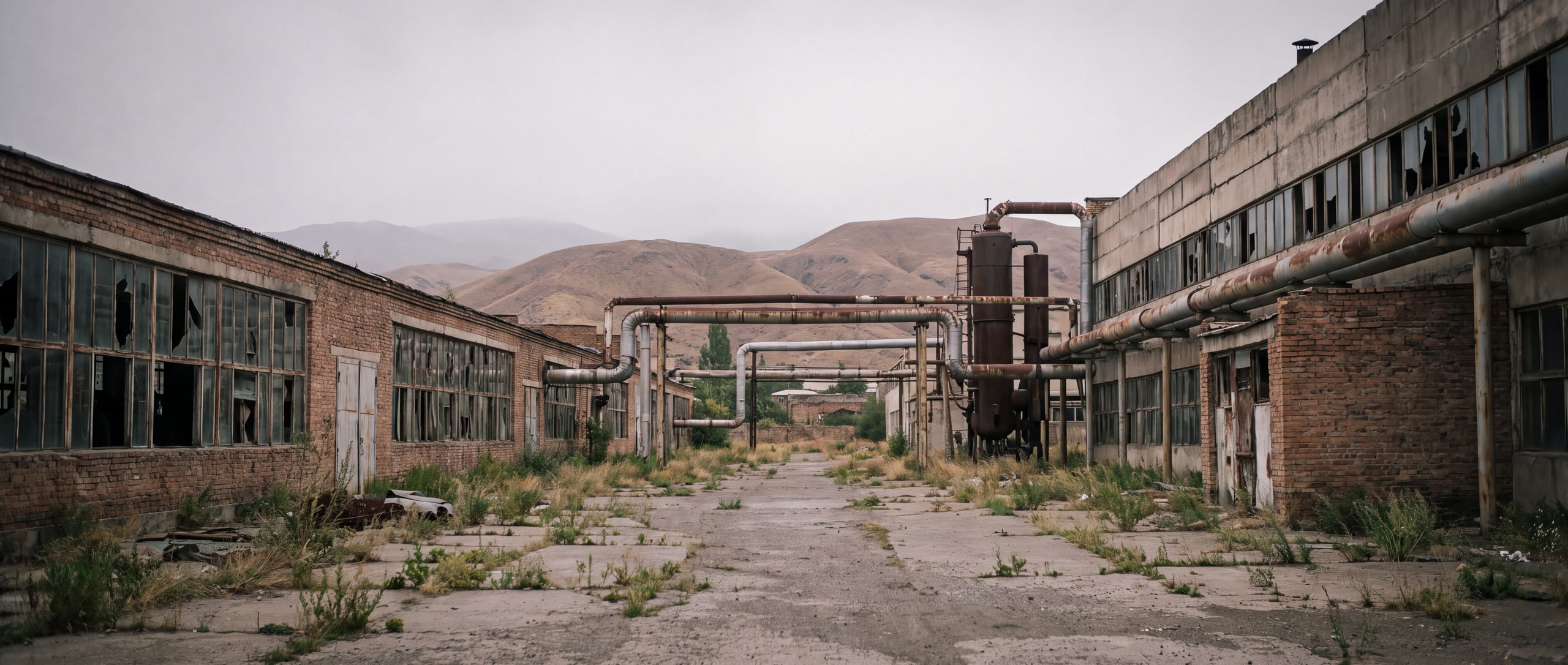
Glass crunches under your soles, and that is the sound you remember afterwards. In an empty building there are no sounds except the ones you make yourself.
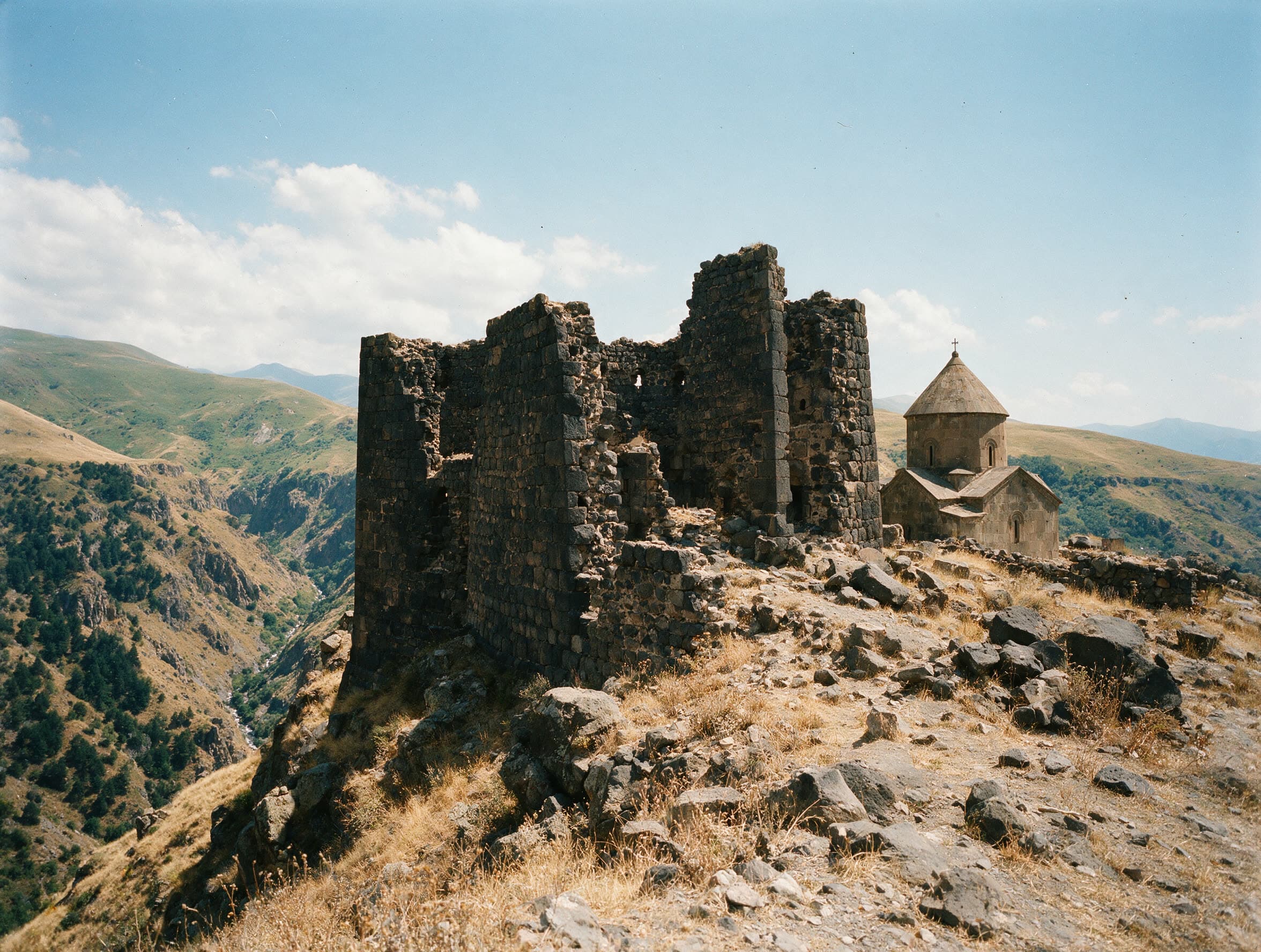
Byurakan, Arzni, Gyumri, Dsegh. Four places with little in common beyond what stands empty in them. Exactly what we enter is settled before each booking: we go only where access is arranged, and we leave out what is locked. That narrows the choice, and it is the condition on which this activity exists at all.
Photography is the main reason people come along and the hardest part of it. There is no power, so there is no light beyond what falls in through the window openings. That means long exposures, and long exposures mean something to brace against. A small tripod or a solid windowsill is the difference between a photograph and a record shot.
The floor is the real hazard. Concrete slabs have holes that sit under dust, staircases have lost their railings, and timber that stood damp for thirty years does not carry a load just because it still looks like timber. We walk along the walls, because the bearing is at the edge and the middle of a room is the first thing to give way. We do not enter floors with a sagging ceiling; the guide says so, and after that nobody goes in.
Head torch rather than phone. A phone in your hand costs you the hand you need to steady yourself, and it breaks first.
The same applies everywhere: we take nothing with us, and we leave nothing behind. No souvenir, no forced door, no mark on a wall. What stands here has stood unsupervised for decades, and it is still there because enough people have kept to that so far.
After four hours you are dusty, and that dust smells different from the dust outside. Nobody describes it well; everybody notices it.
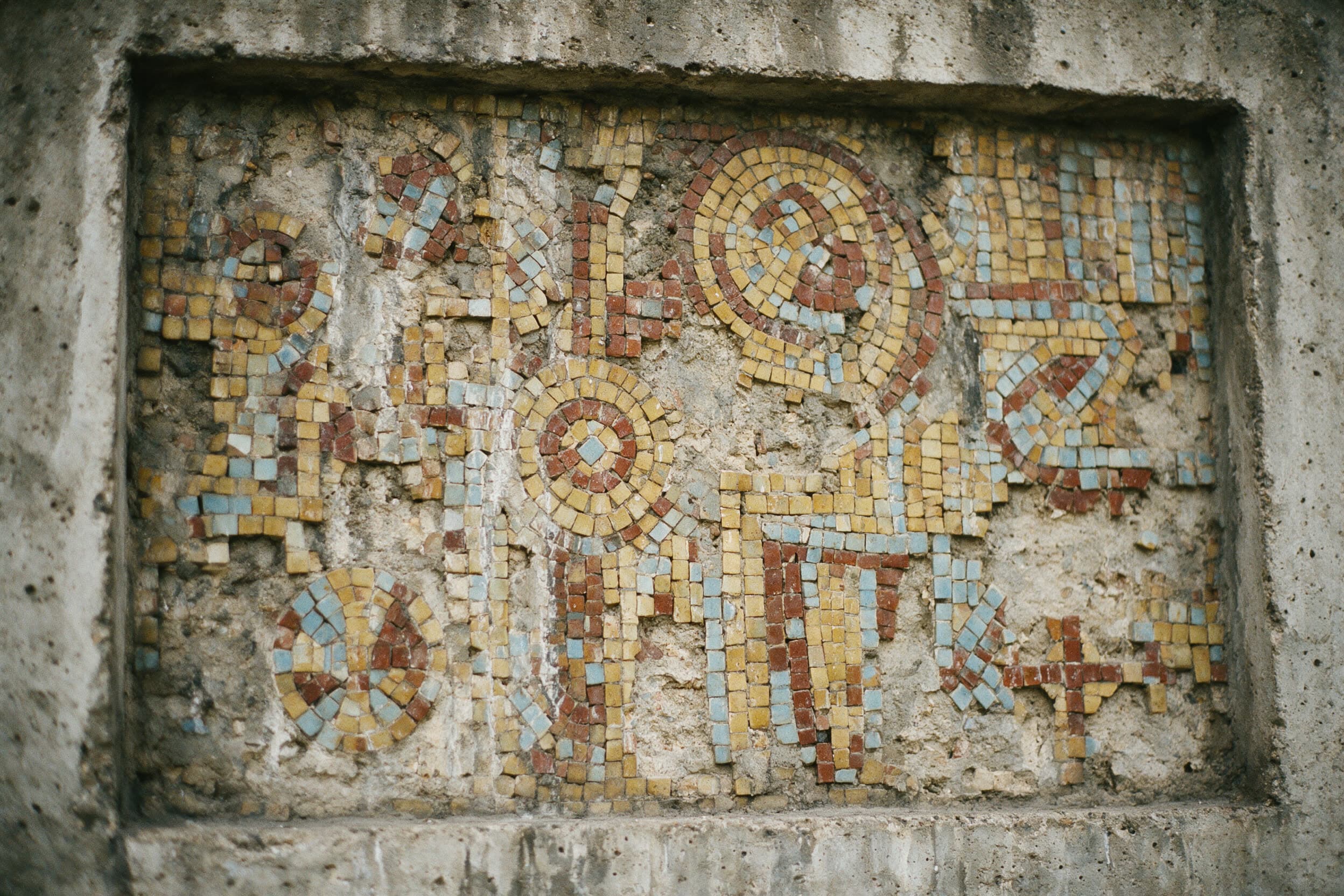
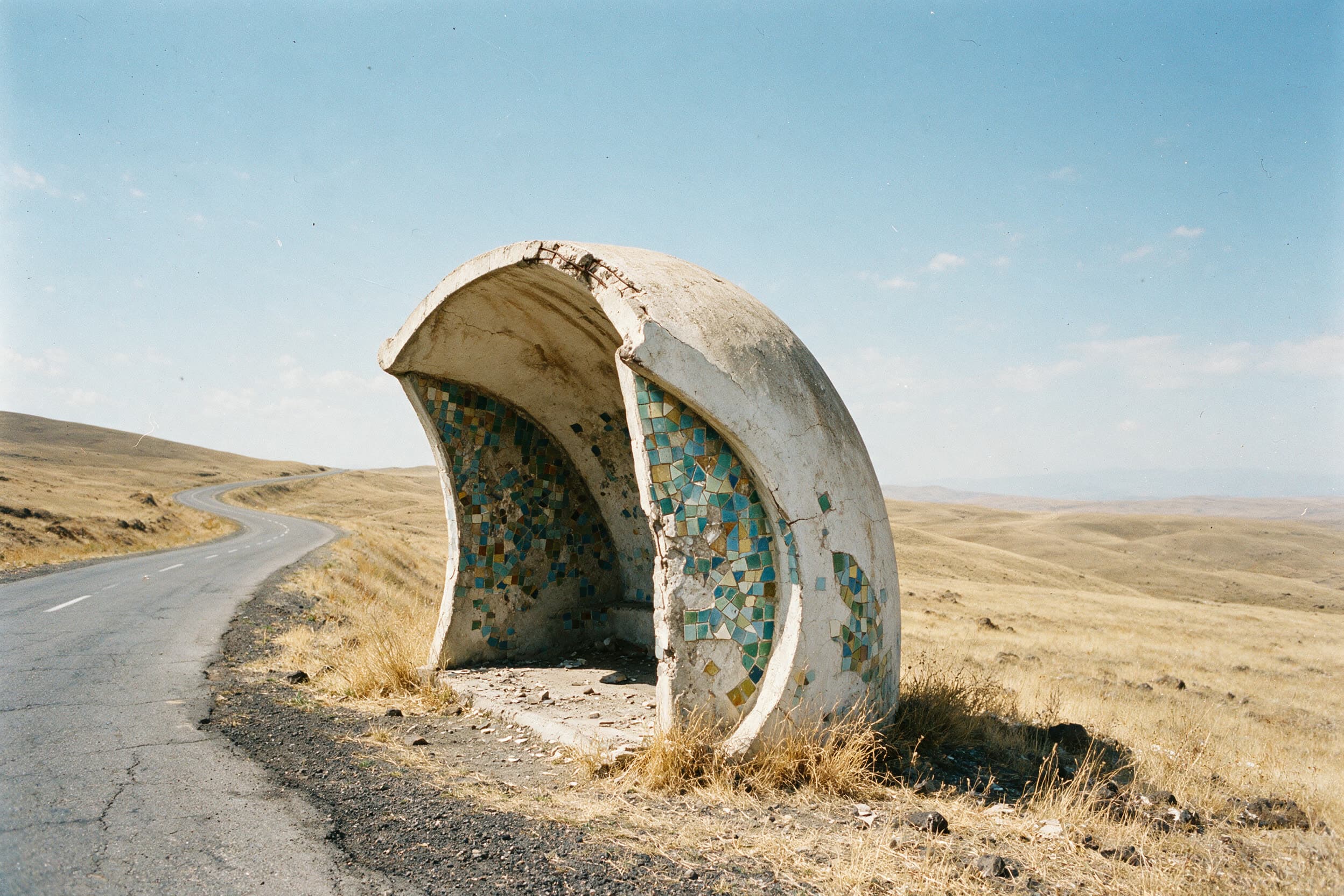
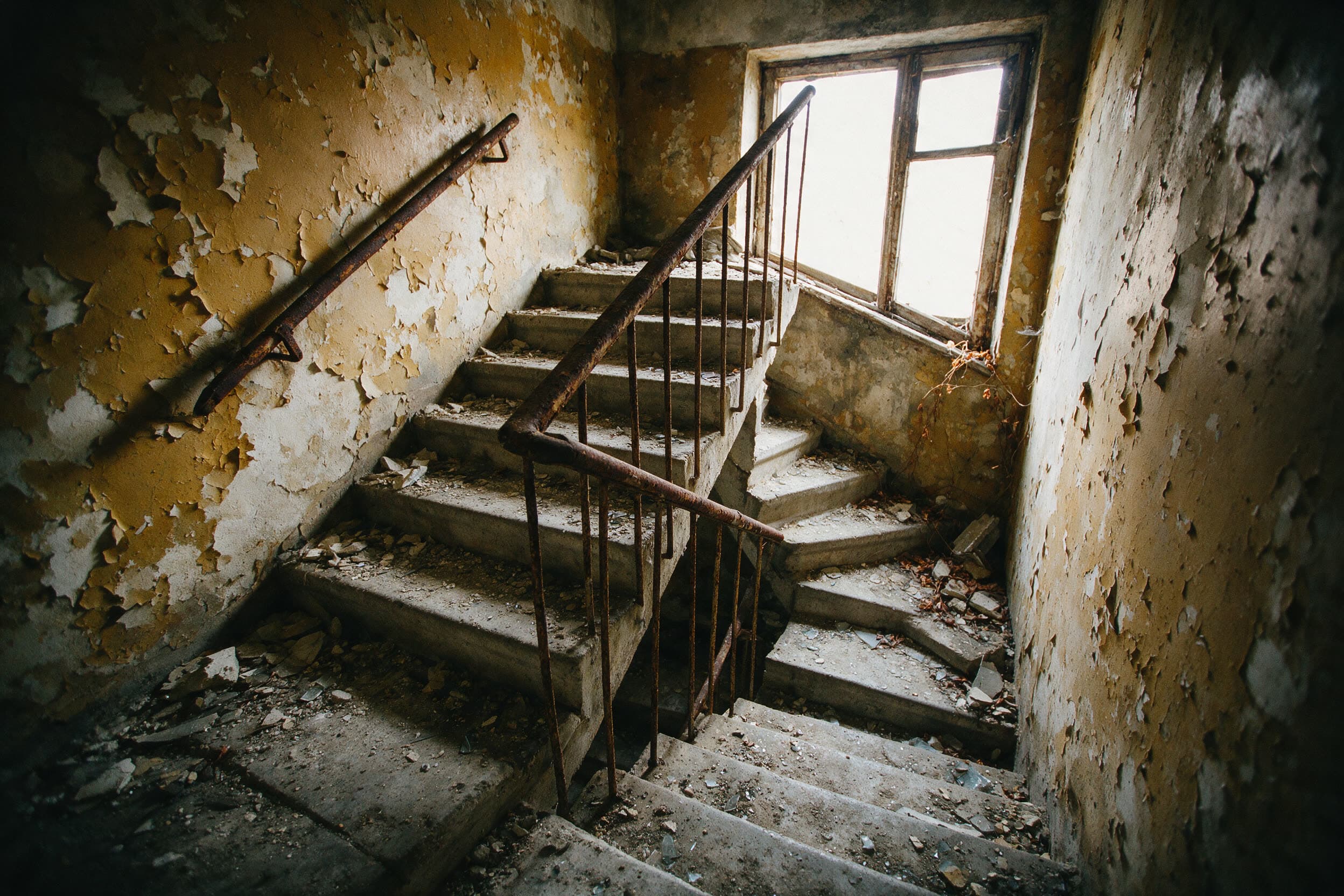
Rain moves into the buildings: water runs through the floors, dust turns to mud, and staircases without railings become the real difficulty of the day. In sustained rain we cut back to the sites with an intact roof.
We enter only what the guide clears, and floors with a sagging ceiling are ruled out on principle. We walk along the walls rather than through the middle of a room, because that is where the bearing is, and nobody goes through a door alone. Helmet and gloves are mandatory; head torch rather than phone, so both hands stay free. Nothing gets forced open.
Every one of our expeditions can be extended with this experience — just say so in your inquiry.
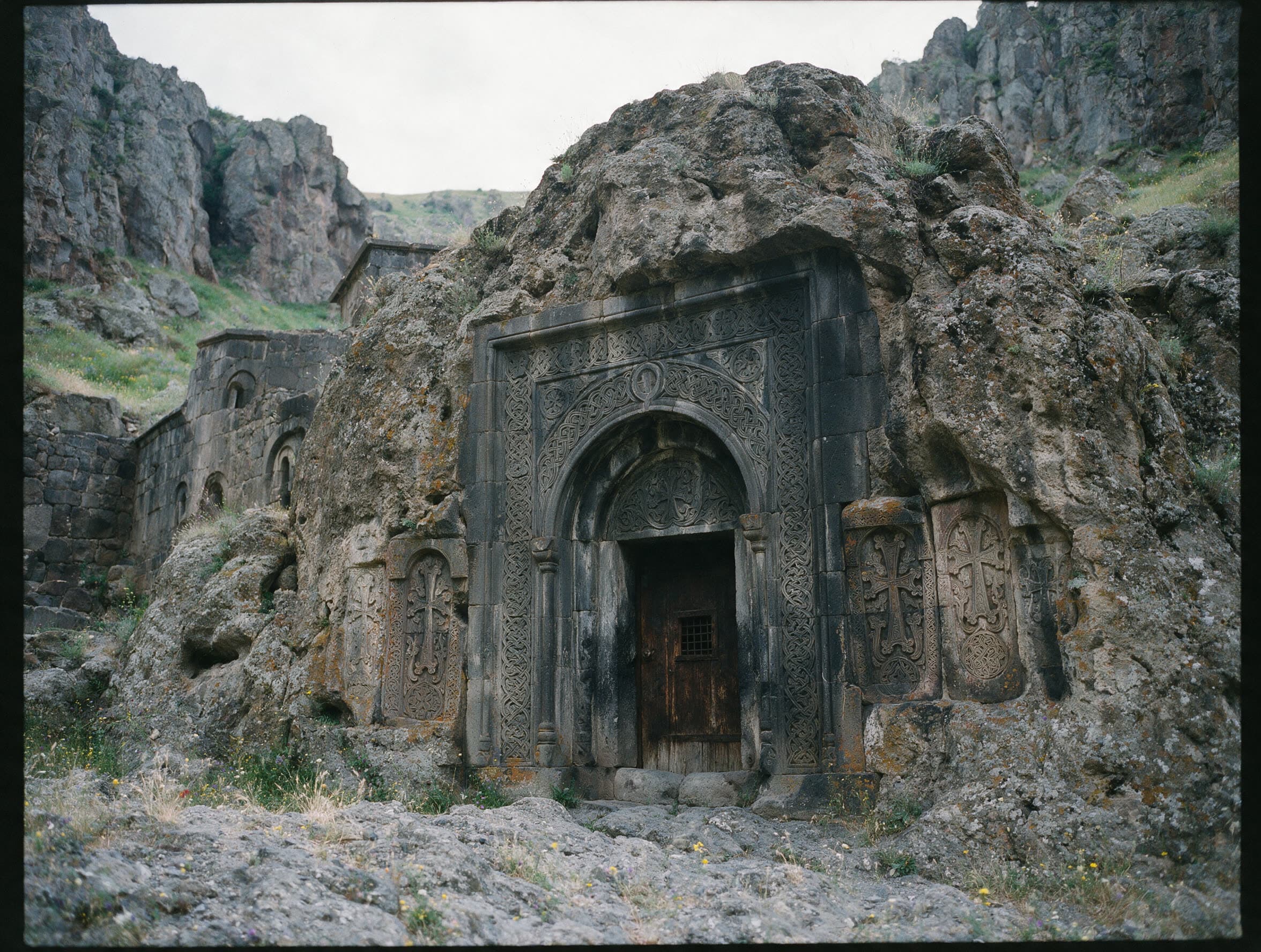
Sound like your kind of day?
Tell us what draws you — we'll build it into your trip or plan it on its own.