Signature
Vayots Dzor Compact: Wine & Monasteries
2 days
2,140 m
On the Shirak plain you ride uphill as well.
At a glance
Every route is put together differently — we work out the price once you ask.
Fitness
Arms, shoulders and core take the pull, legs absorb the falls; you should already move confidently on skis or a board.
Why these months
From April to November we advise against it: without a continuous snow cover the Shirak plain has no surface to offer.
The kite lies in the snow, the lines are laid out and tensioned, and the first half hour consists of leaving it exactly there. Where in the wind window it pulls and where it does not is something you learn standing still, before you strap on skis or a board.
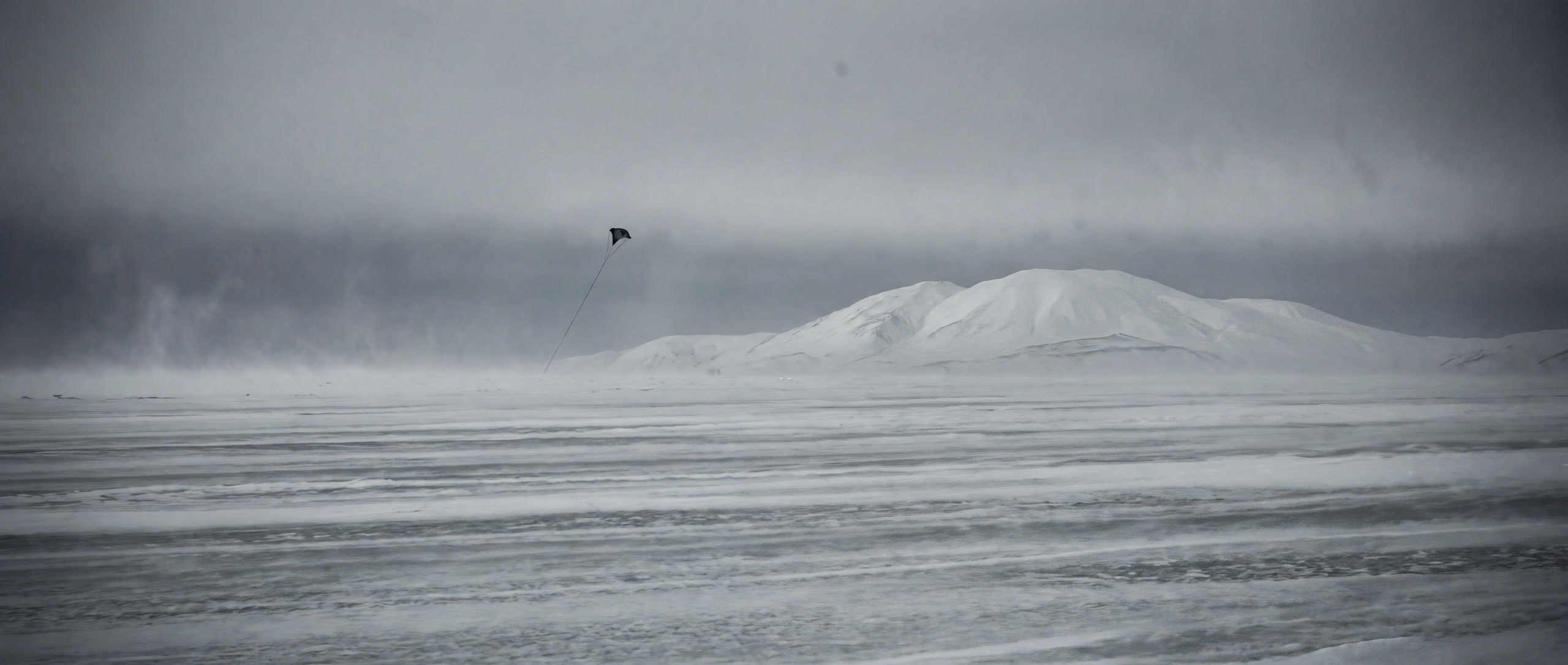
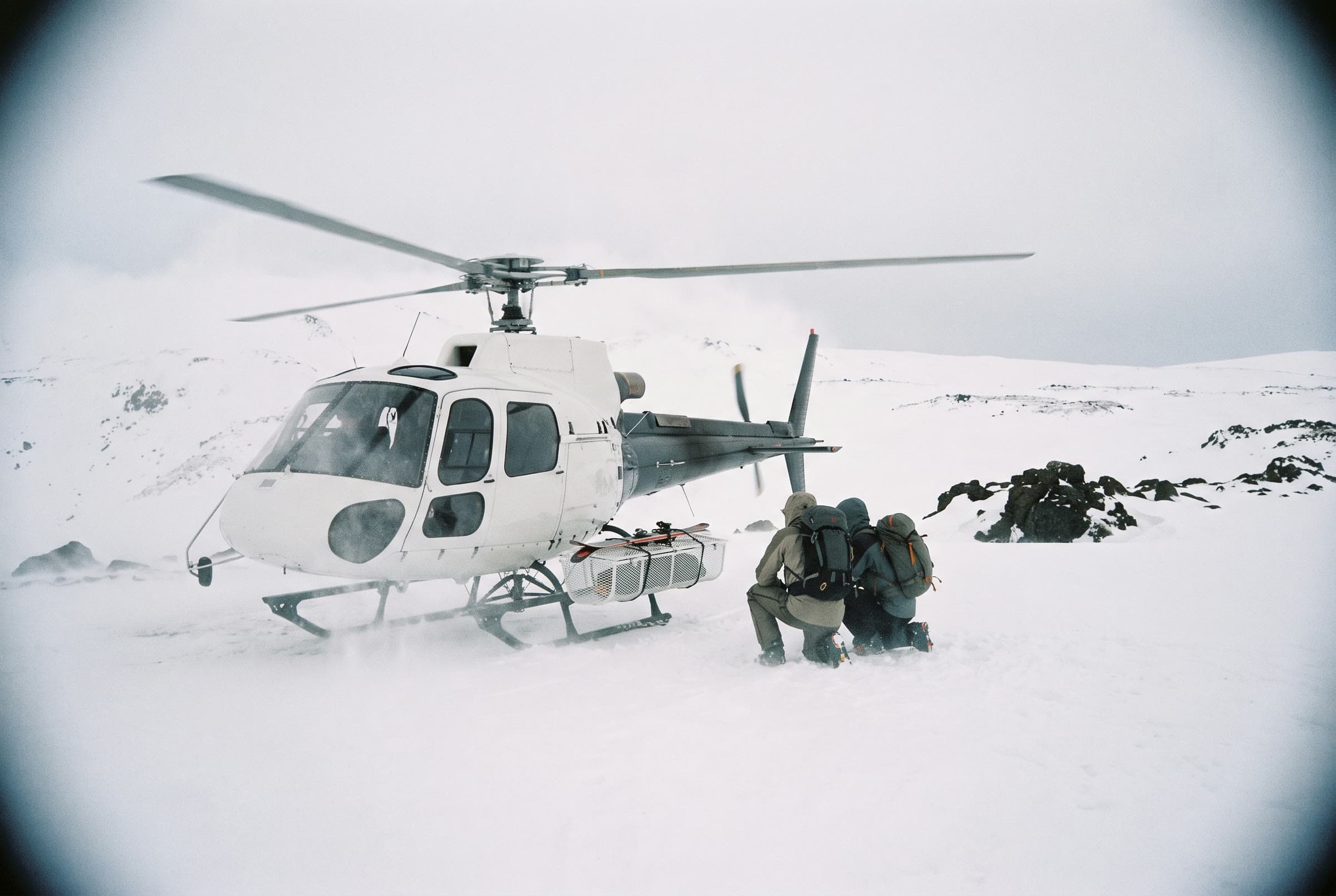
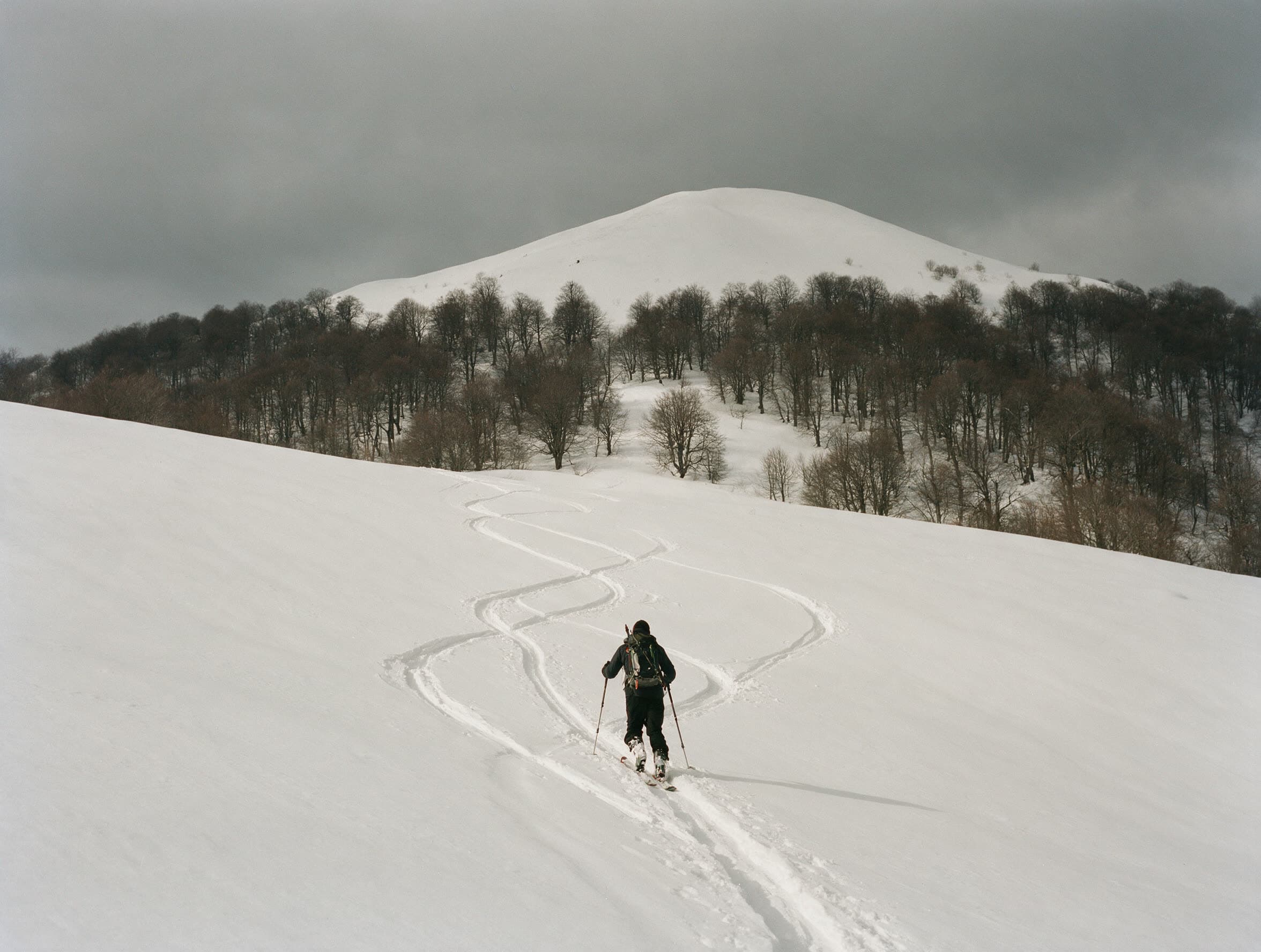
Shirak is made for this. The plateau lies open and flat, under a closed snow cover in winter, and the wind arrives across kilometres without an obstacle.
The difference from everything else on snow: you ride uphill too. The pull comes down at an angle from above, so there is no valley station and no direction you have to get back to at the end. A run is a loop, and it ends where you began it.
The first hour is ground handling. Launch the kite, hold it in the window, land it, launch again. From the outside it looks dull, and it decides how the rest of the day goes. Then the boards come out, and you ride the first metres across the wind, because that is the forgiving direction.
You practise the quick release before you need it: one pull, and two seconds later the kite has no load on it. Then comes the spacing — at least two line lengths between two kiters, and nobody stands downwind behind a kite being launched.
A parked kite gets weighted down with snow. That sounds like a detail until one takes off across the plain and two people go chasing it through deep snow.
You get cold despite the movement. Your own speed adds to the wind, your hands work constantly up on the bar, and gloves that get wet once stay wet for the rest of the day. Bring a second pair, dry and in an inside pocket.
By the end of the first day you ride short runs and fall often. On the second you stop watching the kite and start reading the snow ahead of you.
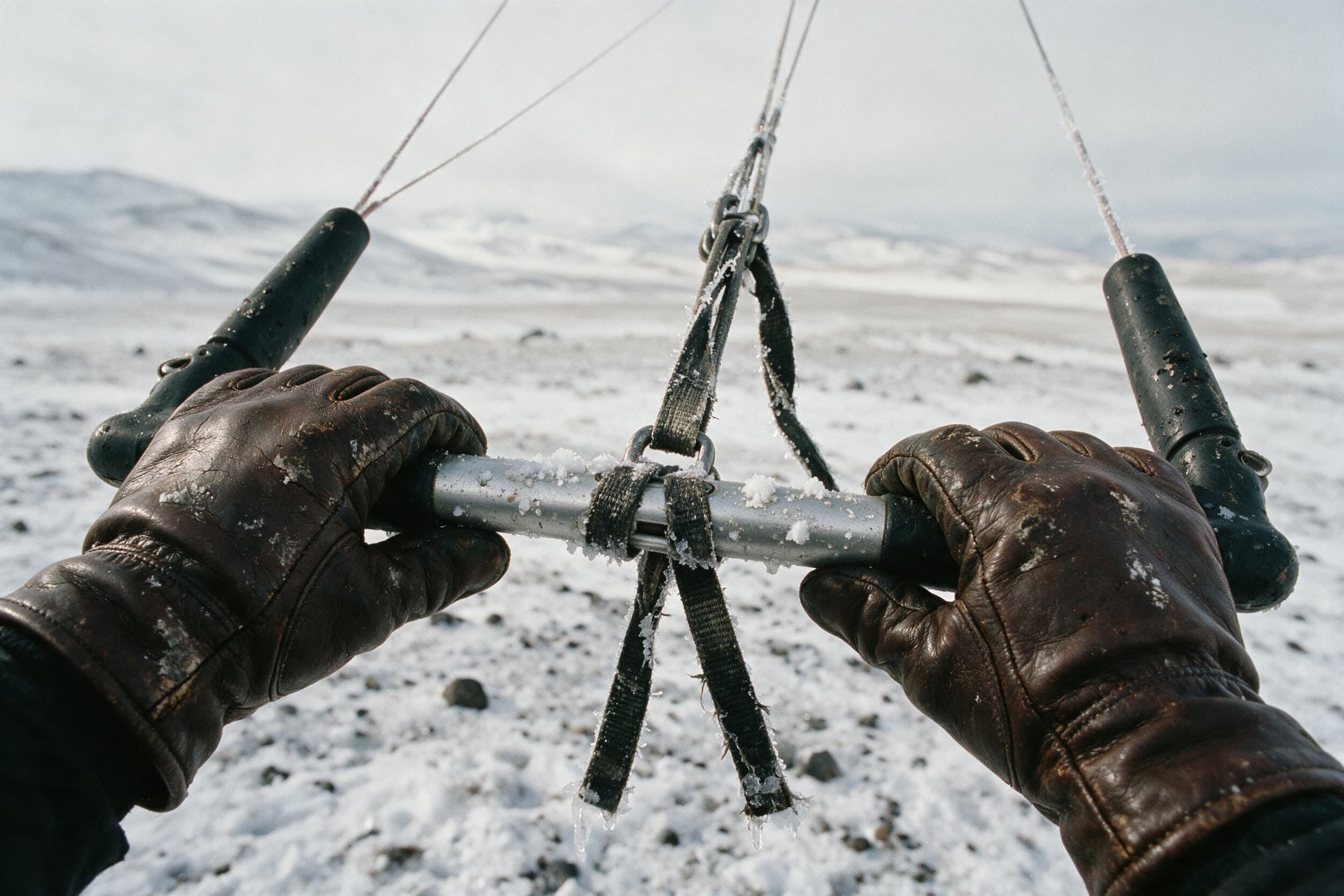
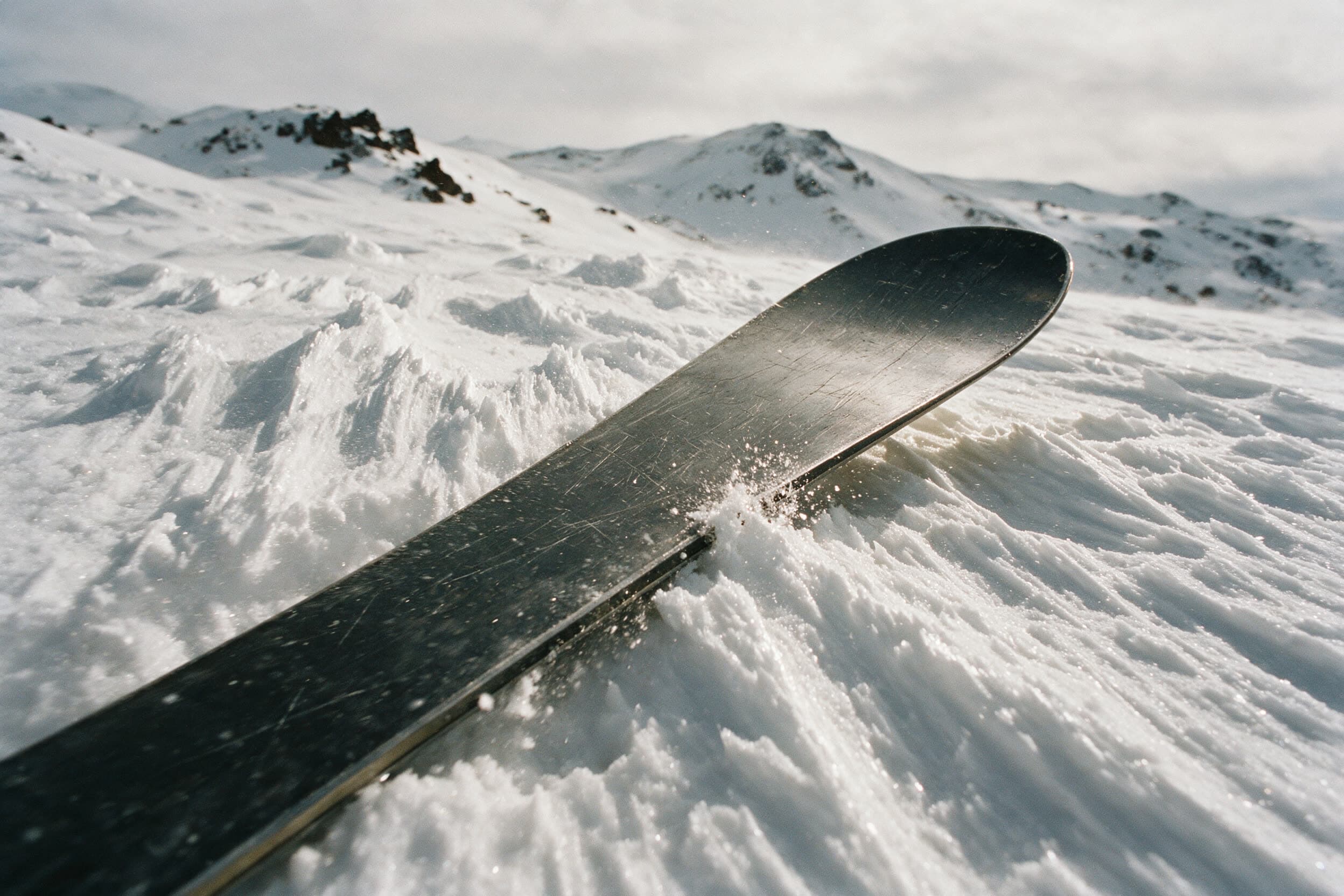
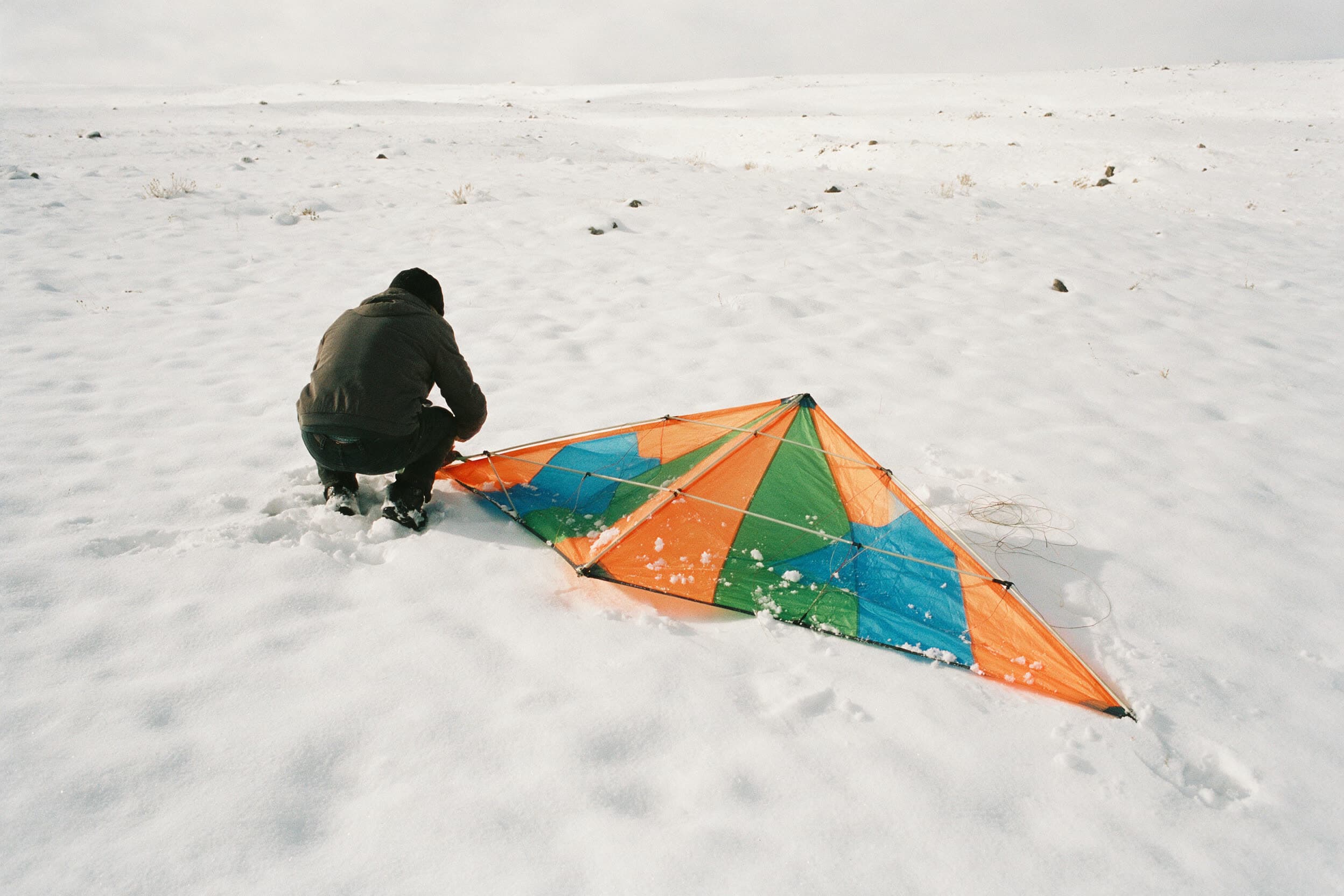
Too little wind costs the session and so does too much — but what really decides is the gustiness in between. A kite that jerks in gusts instead of pulling steadily lifts beginners off the ground, and then the kites stay packed.
The quick release is practised on the ground before the kite takes load for the first time. On the snow, spacing is at least two line lengths, nobody stands behind a kite being launched, and launches happen only with a second pair of hands. Parked kites are weighted down so they do not set off by themselves.
Equipment standard: Helmet and harness for everyone, and kites only with a working quick release; every release is pulled through and reset before the start. Goggles rather than sunglasses, because every fall puts snow in your face.
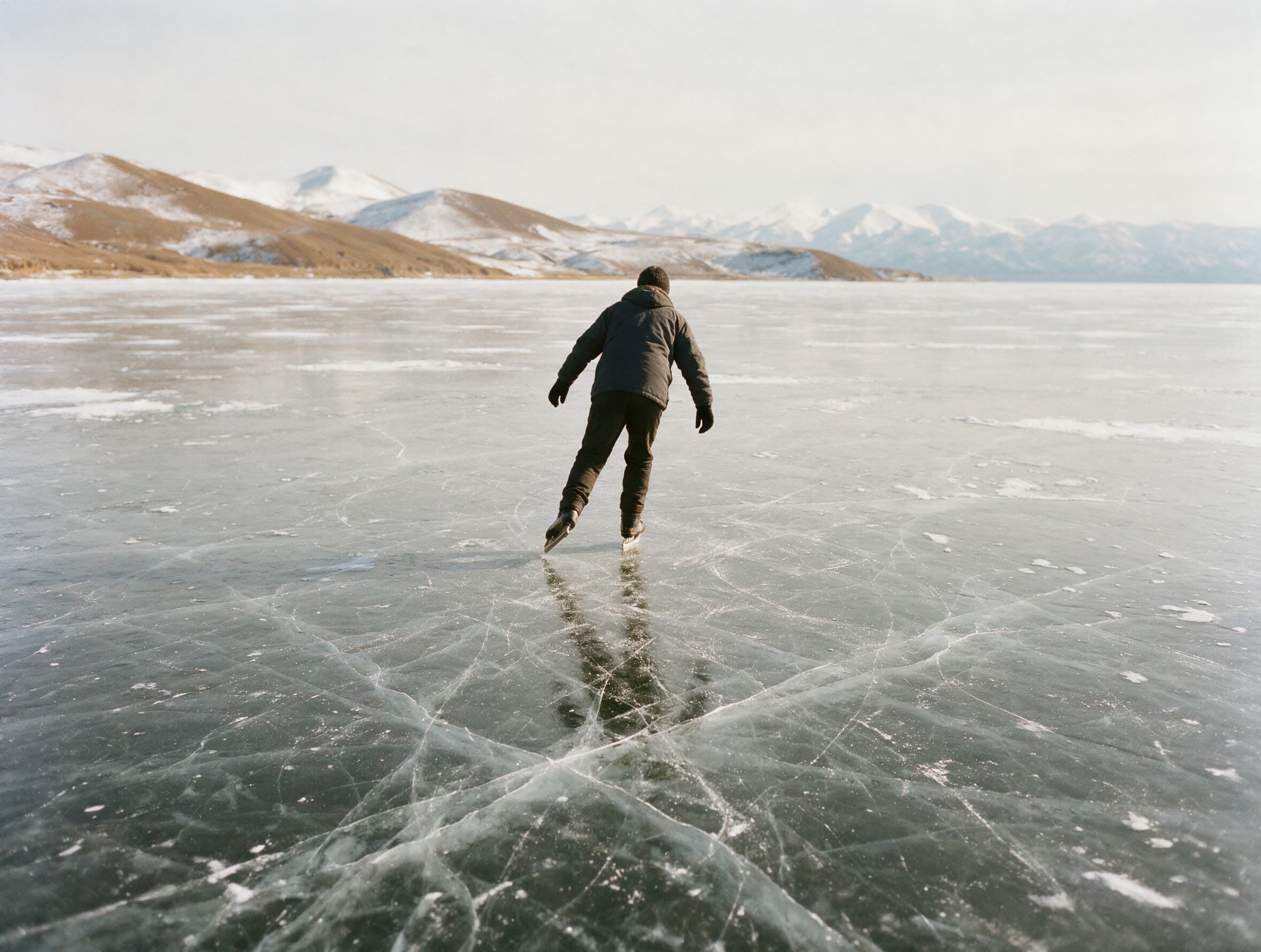
Every one of our expeditions can be extended with this experience — just say so in your inquiry.
Sound like your kind of day?
Tell us what draws you — we'll build it into your trip or plan it on its own.