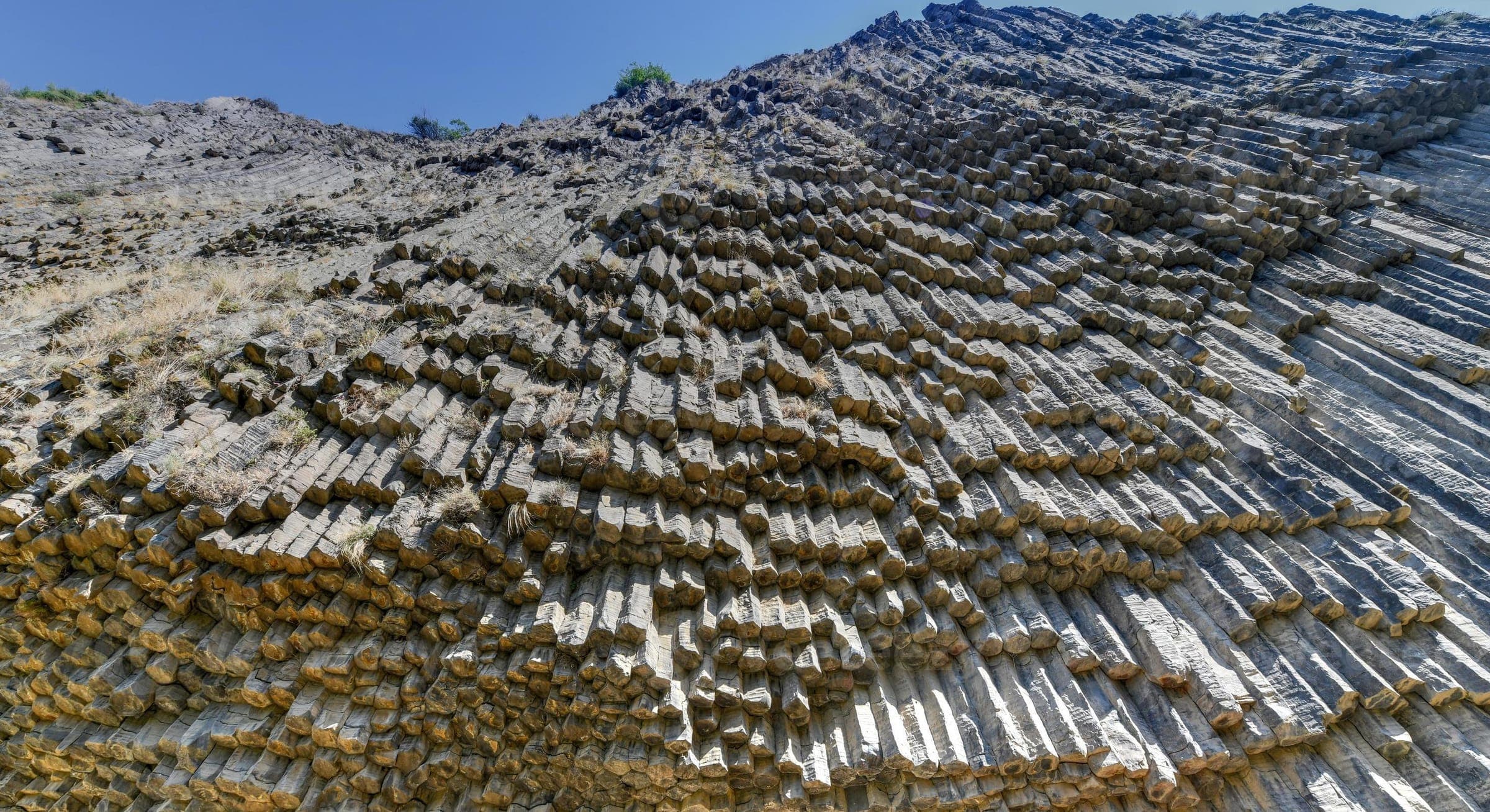
Garni Gorge & Symphony of Stones
1 day
1,800 m
Skins on, skins off — and in between you read the slope.
At a glance
Every route is put together differently — we work out the price once you ask.
Fitness
Two to four hours of climbing with a pack, then a descent that demands full concentration — both on the same day, several days running.
Why these months
From May to December we advise against it: before January the snowpack does not carry on most slopes, and from May it is gone below the ridges entirely.
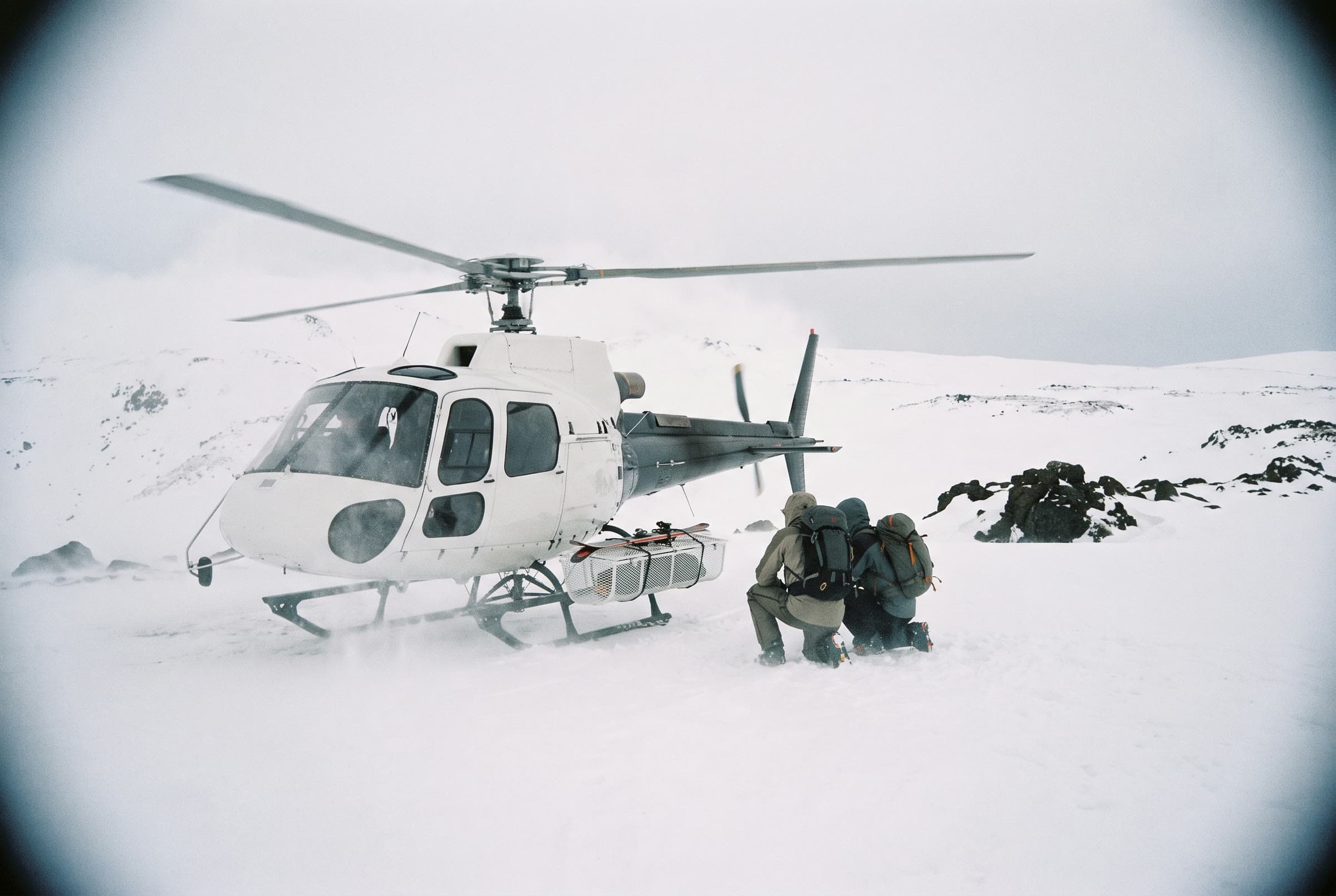
The skin track climbs the slope in shallow zigzags, and whoever sets it is already thinking about the descent beside it. In heliskiing a machine takes you up. Here the same descent costs you three hours, and that changes everything about what you notice on the way.
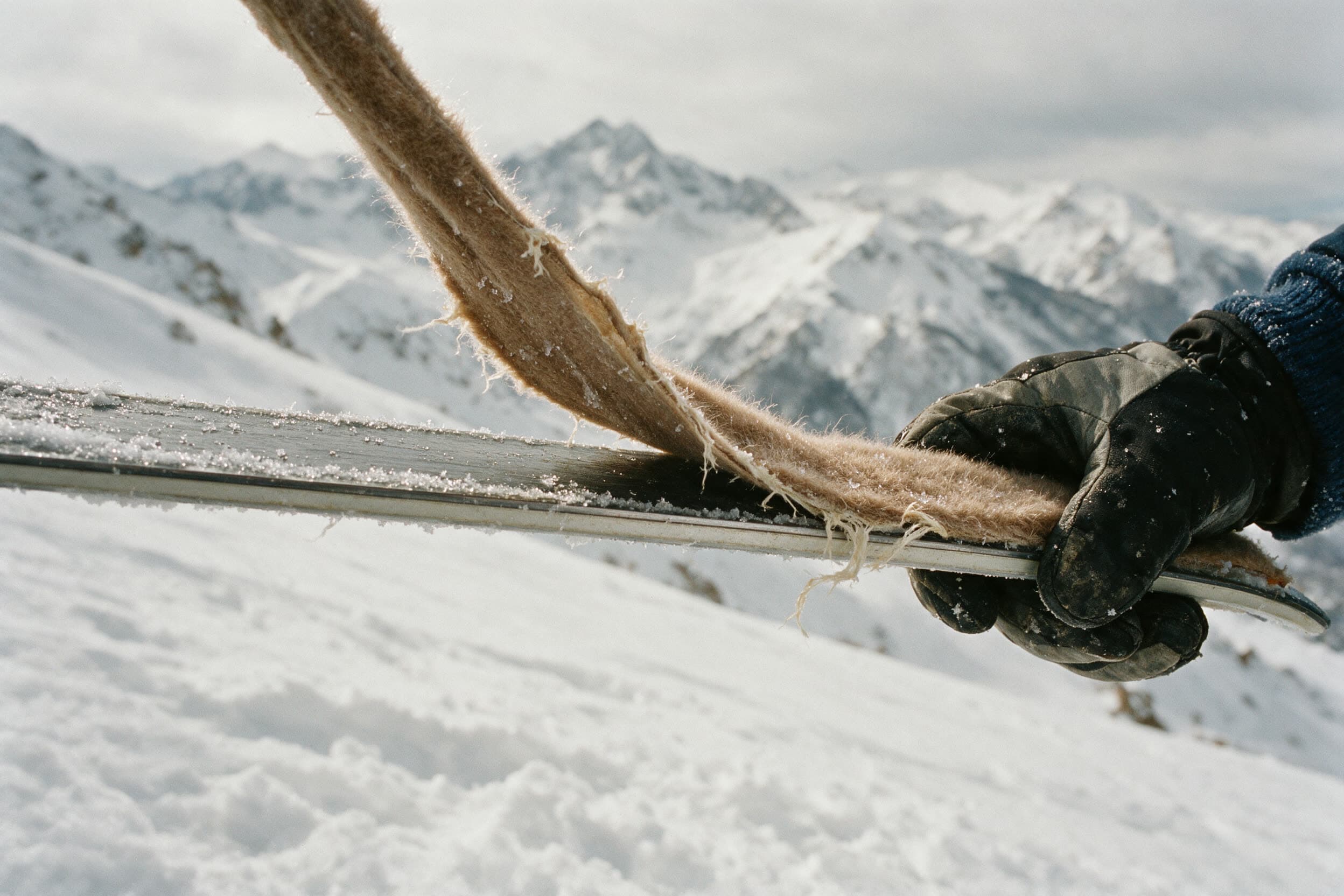
Under the skis are skins. They grip forwards and glide backwards, so you walk rather than climb. On a snowboard this works with a splitboard that separates into two halves for the ascent. The guide shows you both before the first metre; badly fitted skins peel off halfway up, and then the whole group is standing on the slope.
The slowest person sets the pace. A group that strings out is no longer a group on a mountainside, and you notice that the moment the leader is already cooling down at the top while the last one is still three switchbacks below.
Where we go is decided in the morning and checked again on the slope. What counts is steepness, aspect, and what the wind and fresh snow of the past days have done. After strong wind, wind slab sits where none sat before — usually in exactly the bowls that look most inviting from below. Then we ride lower-angled and less beautiful terrain, or we wait a day. That call is made at the breakfast table in the morning and made again an hour later at the start, with the slope in front of you.
Before the first ascent there is a search drill with the transceiver. It costs you a piece of the morning and happens even when everybody claims to know how.
At the top comes the changeover: skins off, bindings switched, pack closed, gloves changed. Five minutes in which you cool down — so the jacket goes on before that.
The descent then takes ten minutes. Three hours of climbing for ten minutes of snow: the sum only works if the climb counts too, which is why it is described here at such length.
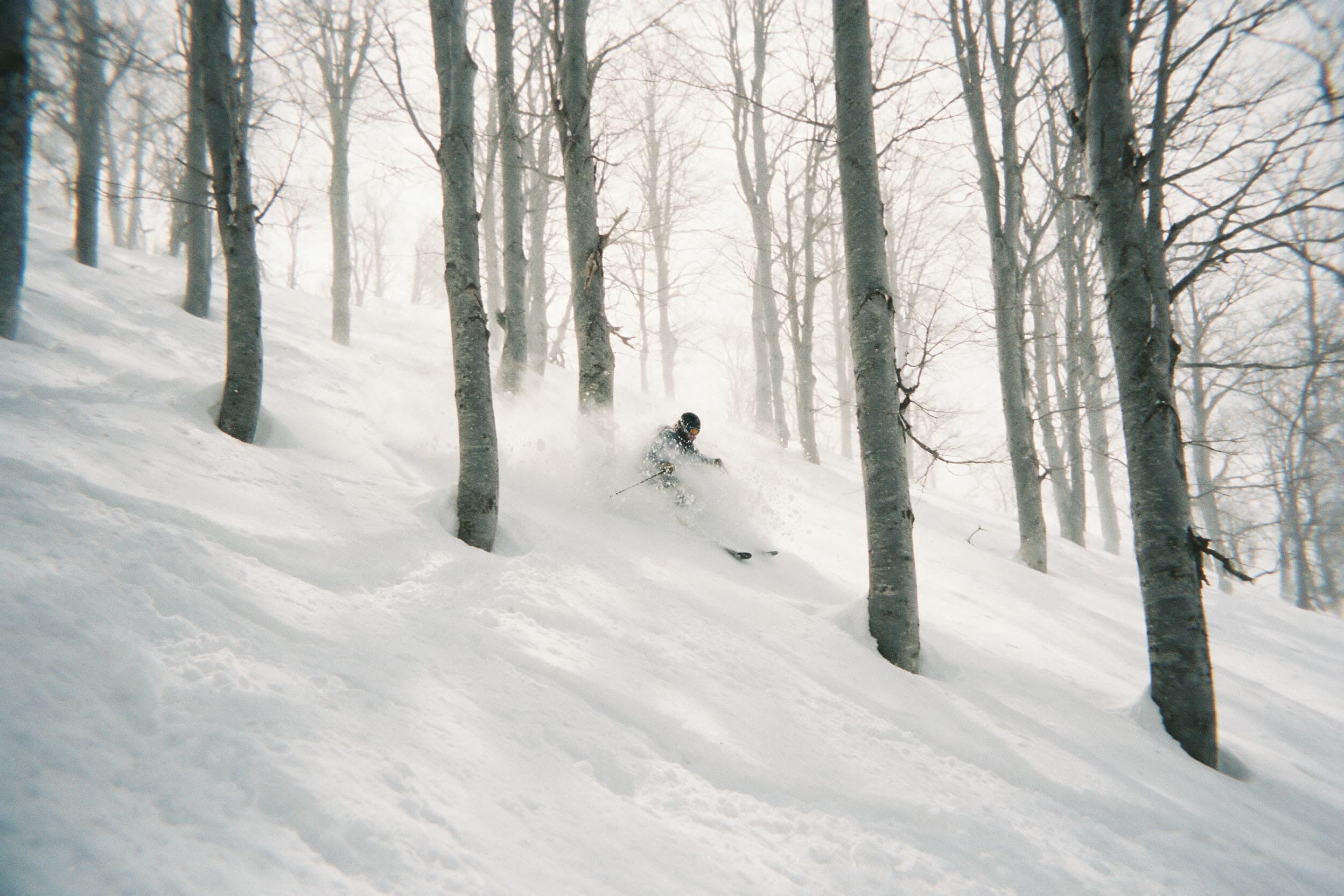
Fresh snow alone does not stop us, fresh snow with wind does: it shifts the new layer into the lee slopes and turns a known descent into an unknown one. After days like that we deliberately pick lower-angled slopes or postpone by twenty-four to forty-eight hours.
The day starts with a search drill, not with the first turn. On the way up we keep spacing, on steep slopes we go one at a time, and the guide sets the regrouping points. Turning back is part of the plan: if the assessment on the slope differs from the one made in the morning, the one on the slope wins.
Avalanche conditions: The situation is assessed in the morning and rechecked continuously in the field: bulletin, snowpack structure, wind signs on the slope, whumpfing and cracking. Slope choice follows from that, not the other way round — where the assessment is unfavourable, steep slopes stay unridden.
Equipment standard: Everyone carries a transceiver, shovel and probe on their body rather than in the pack. Before the first ascent every device is checked on transmit and a companion search is practised.
Every one of our expeditions can be extended with this experience — just say so in your inquiry.
Sound like your kind of day?
Tell us what draws you — we'll build it into your trip or plan it on its own.