Explorer
North: Sevan, Dilijan & the Monasteries of Lori
4 days
2,110 m
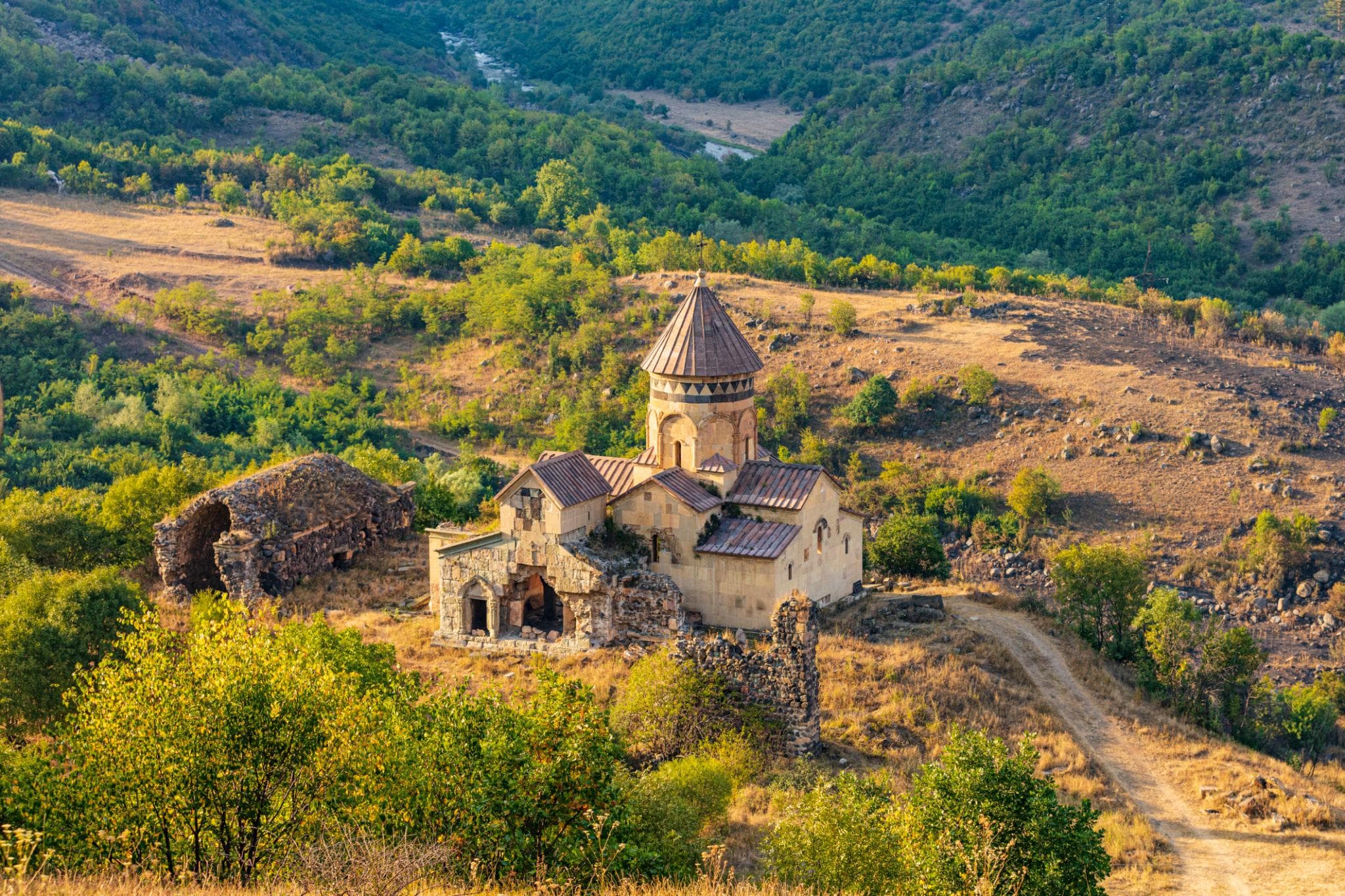
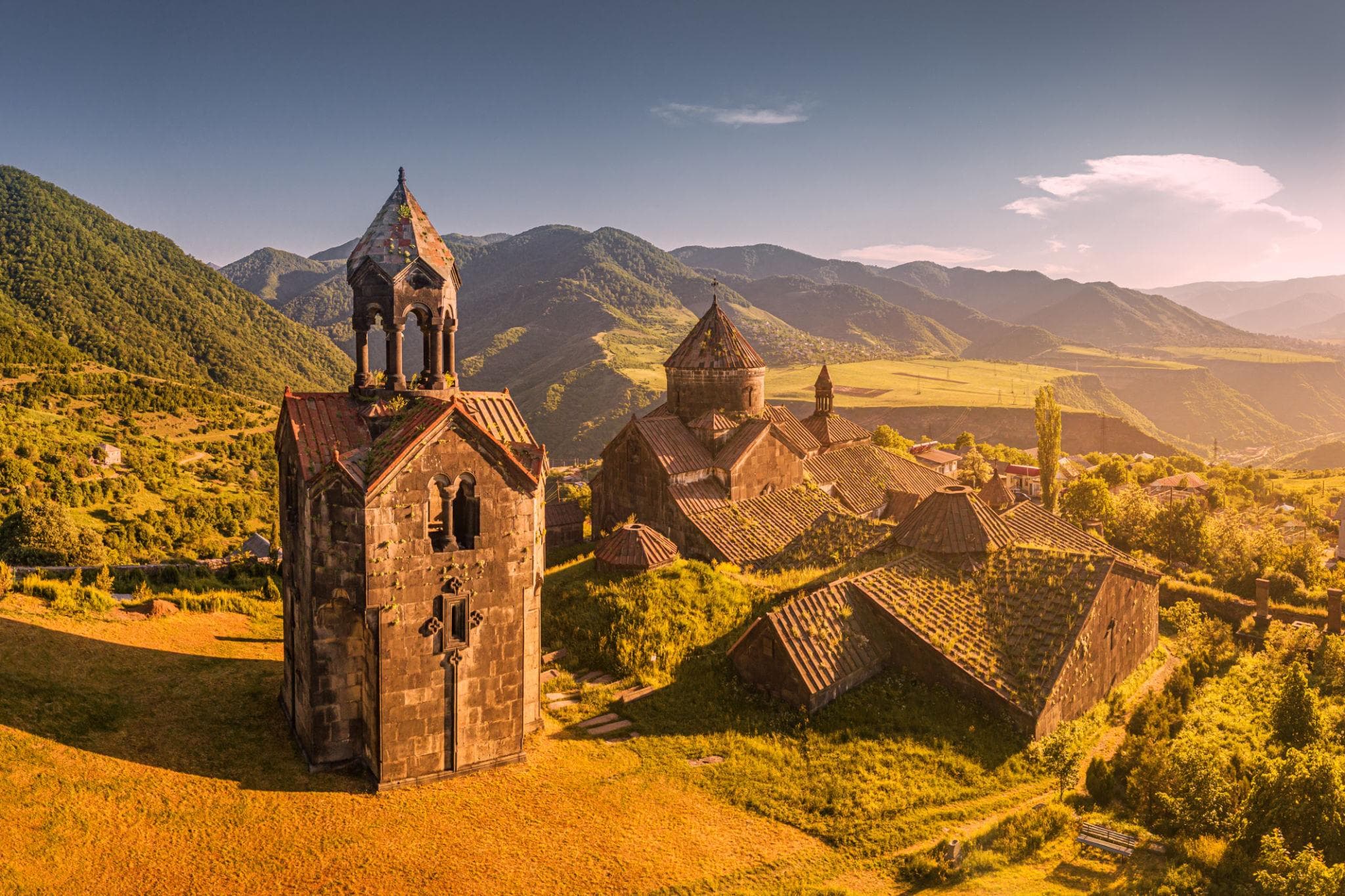
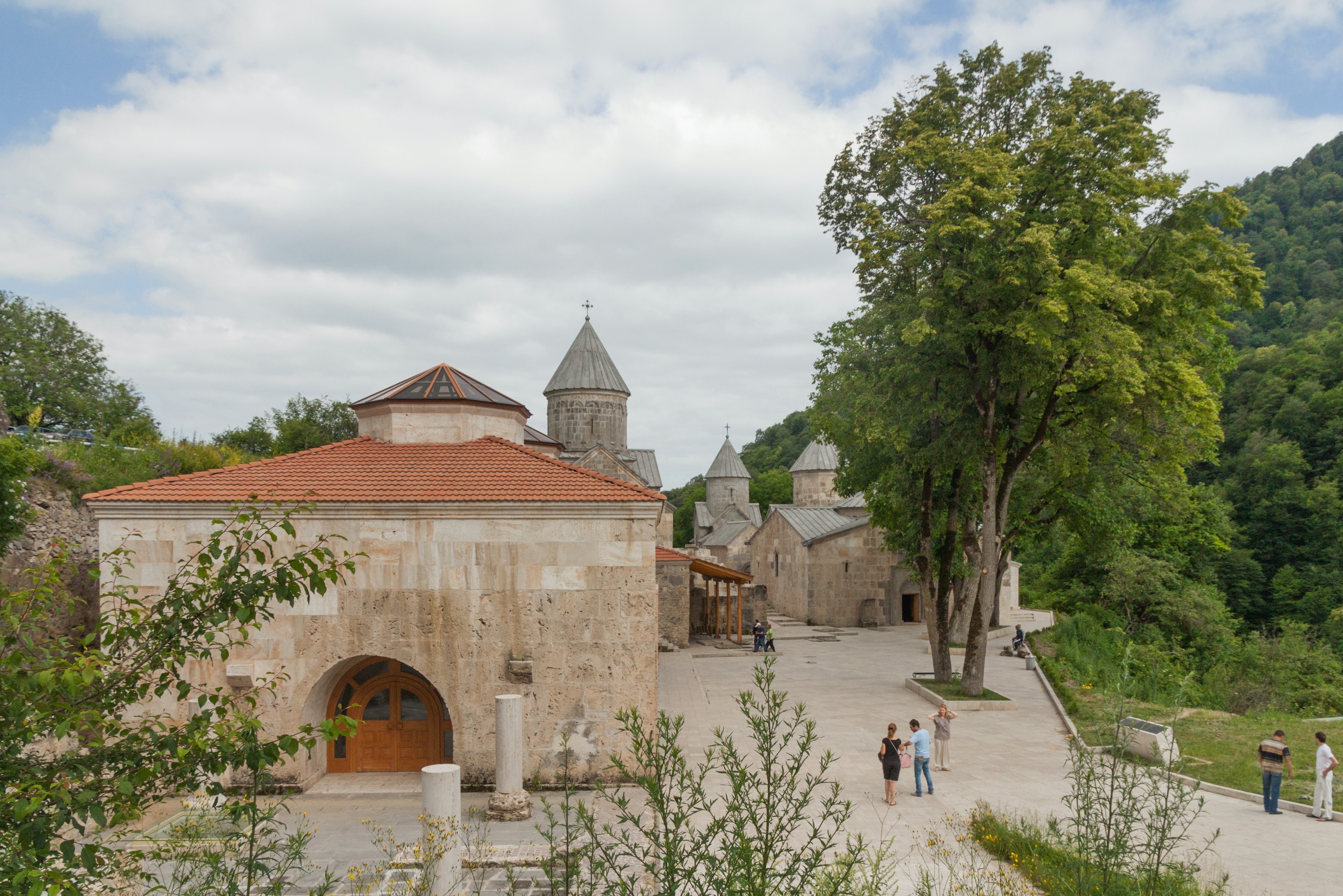
Tavush — At 1,430 meters elevation, nestled in the deciduous forests of Dilijan National Park, stands Haghartsin—a monastic complex spanning the 10th to 13th centuries, encompassing three churches, a refectory, and a royal sepulcher, its name derived from Armenian words meaning "game" and "eagle."
A hollow tree trunk stands on the grounds, the same ritual for generations: you step through the opening and quietly voice a wish, said to be granted. Abbot Khachatur of Taron turned the site into an educational center in the 12th century and is named by chronicler Kirakos Gandzaketsi as a music scholar. That a sheikh from Sharjah, of all people, funded the rescue of the weathered complex in 2011 is an unusual chapter in the monastery's recent history.
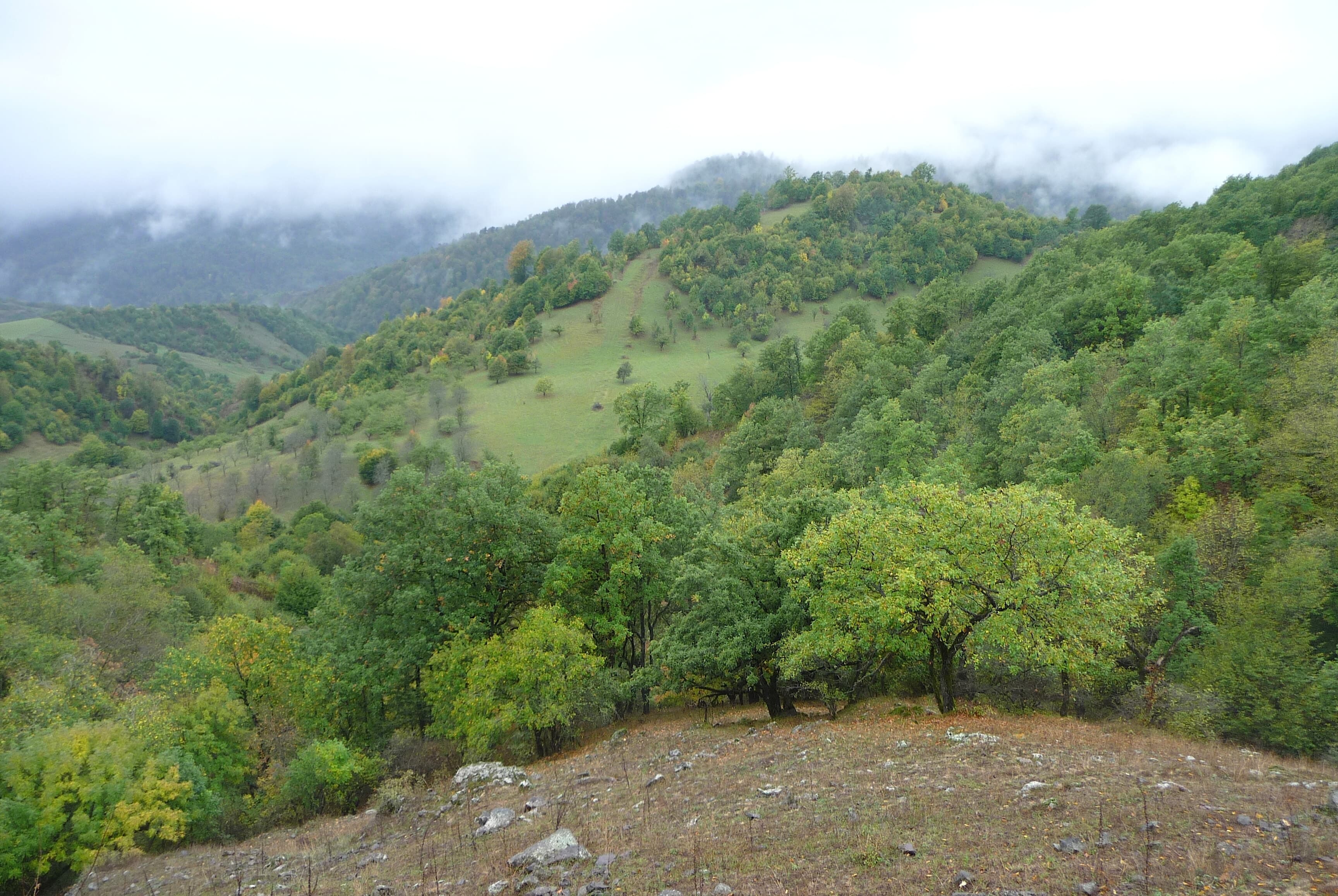
Haghartsin lies 18 kilometers north of Dilijan in the densely forested Tavush Basin, on a terrain spur flanked by the Aghstev River and its tributaries. The complex comprises three churches of different epochs, a gavit, a refectory, and a burial chamber for Armenian kings. The oldest structure, the Church of Saint Gregory, dates to the 10th century; the main church, Surb Astvatsatsin, assumed its present form in 1281. Surrounding oak and beech forests completely muffle external sound—the monastery remains quiet even during peak travel season.
Offroad & access
The approach from Dilijan runs entirely on paved road. The journey takes about 30 minutes; the route is straightforward and in good condition. A reinforced parking area sits at the monastery entrance. No all-terrain vehicle is required; any standard car is suitable. Single limitation: during heavy winter snowfall, the road may become difficult to traverse for short periods—this typically affects December through February. Offroad rating 1 out of 5.
- Foundation: presumably 10th century, under the Kiurikian line of the Bagratid dynasty - Three churches: Surb Grigor (10th c.), Surb Stepanos (1244), Surb Astvatsatsin (1281) - Refectory (1248): designed by architect Minas; regarded as the largest surviving medieval monastic dining hall in Armenia; 12 columns support the vault - Royal Sepulcher: presumed burial place of Bagratid kings Smbat II (r. 977–990) and Gagik I (r. 990–1020) - Abbot Khachatur of Taron: music scholar and reformer of monastic education, historically documented by chronicler Kirakos Gandzaketsi (ca. 1194) - Inscription of Ivane I Zakarian commemorating his brother Zakare's death (1213) - Bronze cauldron (350 kg), cast 1232, now in the Armenian Museum of Fine Arts in Yerevan - Restoration 2011 by Armenia Fund, financed by Sultan bin Muhammad Al-Qasimi, Ruler of Sharjah (UAE) - Elevation: 1,430 m; Coordinates: 40.768°N / 44.891°E
The monastery emerged during a period of political stability under the Bagratids, who controlled northeastern Armenia in the 10th and early 11th centuries. Following the Seljuk invasion in the 11th century, the complex was partially destroyed and entered temporary decline. Under the Zakarian princes—Zakare and Ivane—a comprehensive renewal phase began in 1184. During this era, Abbot Khachatur of Taron served the community: the medieval chronicler Kirakos Gandzaketsi notes him as a music scholar who systematized liturgical hymns and transformed Haghartsin into an educational center. The inscription of Ivane Zakarian from 1213 stands as one of the few surviving direct testimonies to patronage. Construction of the refectory in 1248 and the main church in 1281 mark the final major expansion phase before the Mongol incursions into the South Caucasus. In 2011, the severely weathered complex underwent fundamental restoration—funding came, remarkably, from an Arab head of state: Sultan bin Muhammad Al-Qasimi of Sharjah financed the work at his own expense, an unusual chapter in the monastery's recent history.
According to tradition, the name "Haghartsin" derives from the Armenian words "hagh" (game, movement) and "artsiv" (eagle). Local tradition holds that at the dedication of one of the churches, an eagle circled over the dome tower—a sign interpreted as divine blessing and the bestowal of the site's name. Eagle motifs are indeed carved into stone on the facade of the Surb Astvatsatsin Church. Whether the name originates this way or simply from a stream of the same name flowing into the Aghstev remains historically unclear. Another local tradition concerns an ancient hollow tree on the monastery grounds: those who pass through an opening in the trunk while voicing a wish are said to have it granted. Visitors continue this custom to the present day.
Haghartsin combines in a single complex a documented royal burial site, one of medieval Armenia's most significant monastic schools, and the architecturally most remarkable refectory in the country—all set within a forested region that remains pleasantly cool in summer. The 2011 restoration history is remarkable in itself: an Armenian highland monastery financed by a sheik from the Emirates. The site remains readily accessible without assuming the character of an overcrowded tourist attraction.
- Access: 18 km from Dilijan, approximately 30 min on asphalt; parking lot at entrance - Admission: free; donations welcomed - Hours: daily approximately 10–18 (no official gate; grounds accessible) - Dress: covered shoulders and knees for church visit - Best season: April to November; winter impacted by snow - Food & drink: no on-site catering; nearest options in Dilijan - Combination: pairs well with Goshavank Monastery (approximately 20 km away) on a single day
TavushMountain
TavushCave town
LoriMonastery
Haghartsin features on Armenia Expeditions's route. Should you wish to encounter this monastery and the forests of the Tavush Basin firsthand, all tour information is available at One message — we’ll plan the rest..