Explorer
South Expedition Compact
4 days
2,350 m
Up to twenty wild greens folded into a single flatbread.
At a glance
Every route is put together differently — we work out the price once you ask.
Fitness
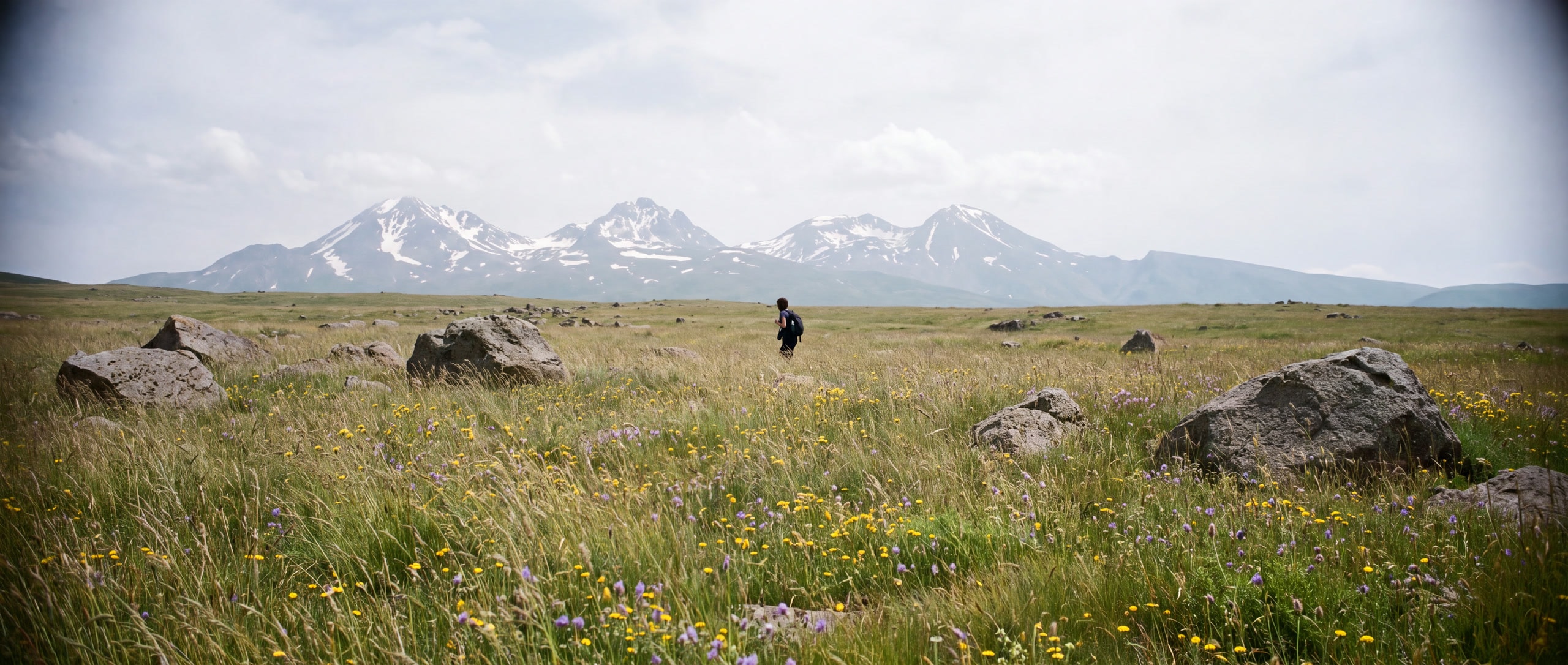
Six to ten kilometres across pathless slopes, with many stops and little continuous climbing.
Why these months
From July to March we advise against it: from high summer the leaves turn tough and bitter, and from October snow lies on the high pastures — nothing grows there then that belongs in a jingalov hats.
The guide bends down, tears off a leaf, crushes it between his fingers and holds it under your nose. That is the basic gesture of this day, and it repeats maybe forty times. Looking is not enough; half the herbs here differ from their neighbour only in smell.
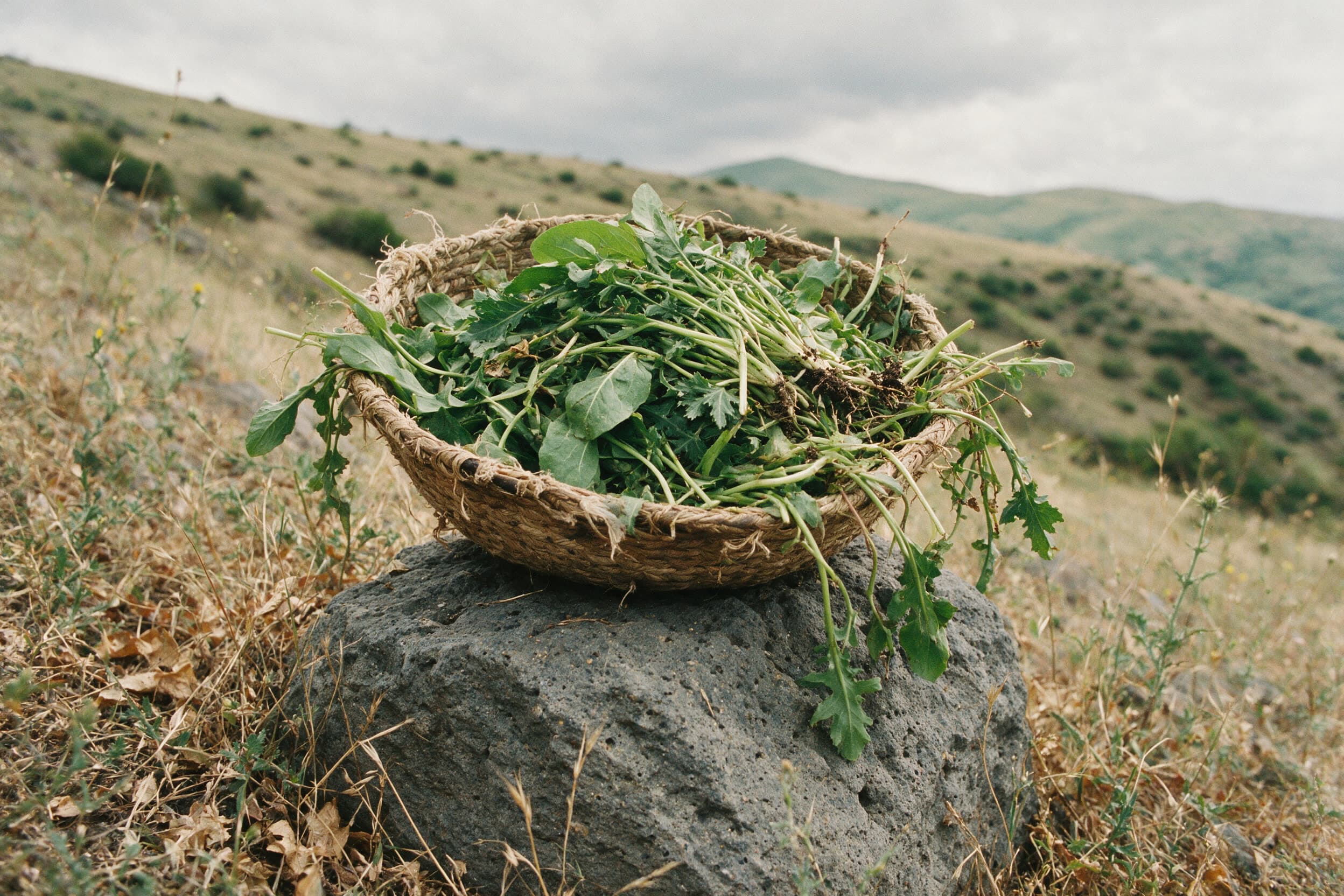
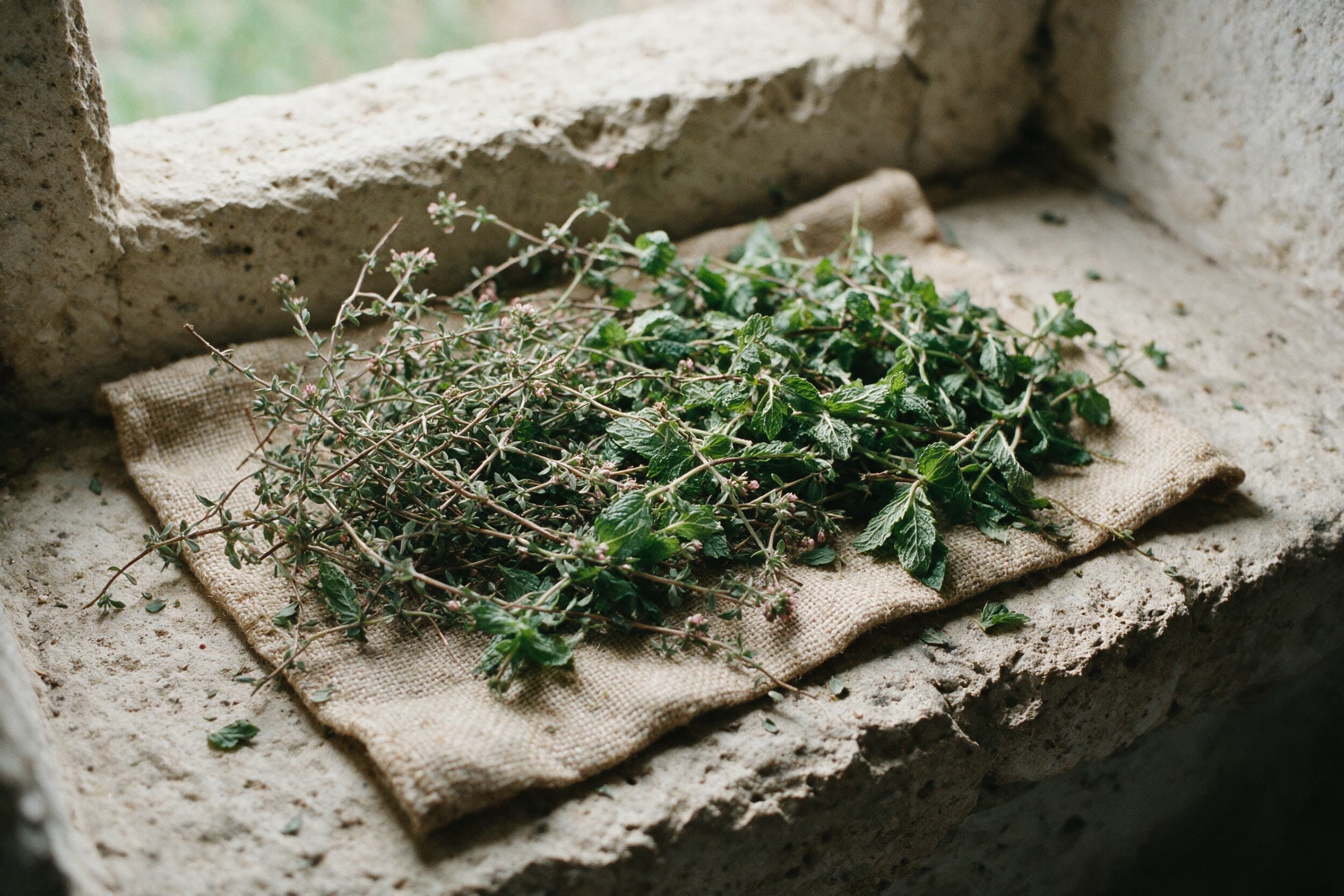
Gathering happens on the slopes of Syunik and Vayots Dzor, between fifteen hundred and two thousand metres, in spring, when everything comes at once. Thyme, wild mint, St John’s wort, sorrel, wild leek, orache. Armenian monasteries have drawn tinctures and oils from plants like these for centuries, and the recipes we hear along the way come straight out of that line.
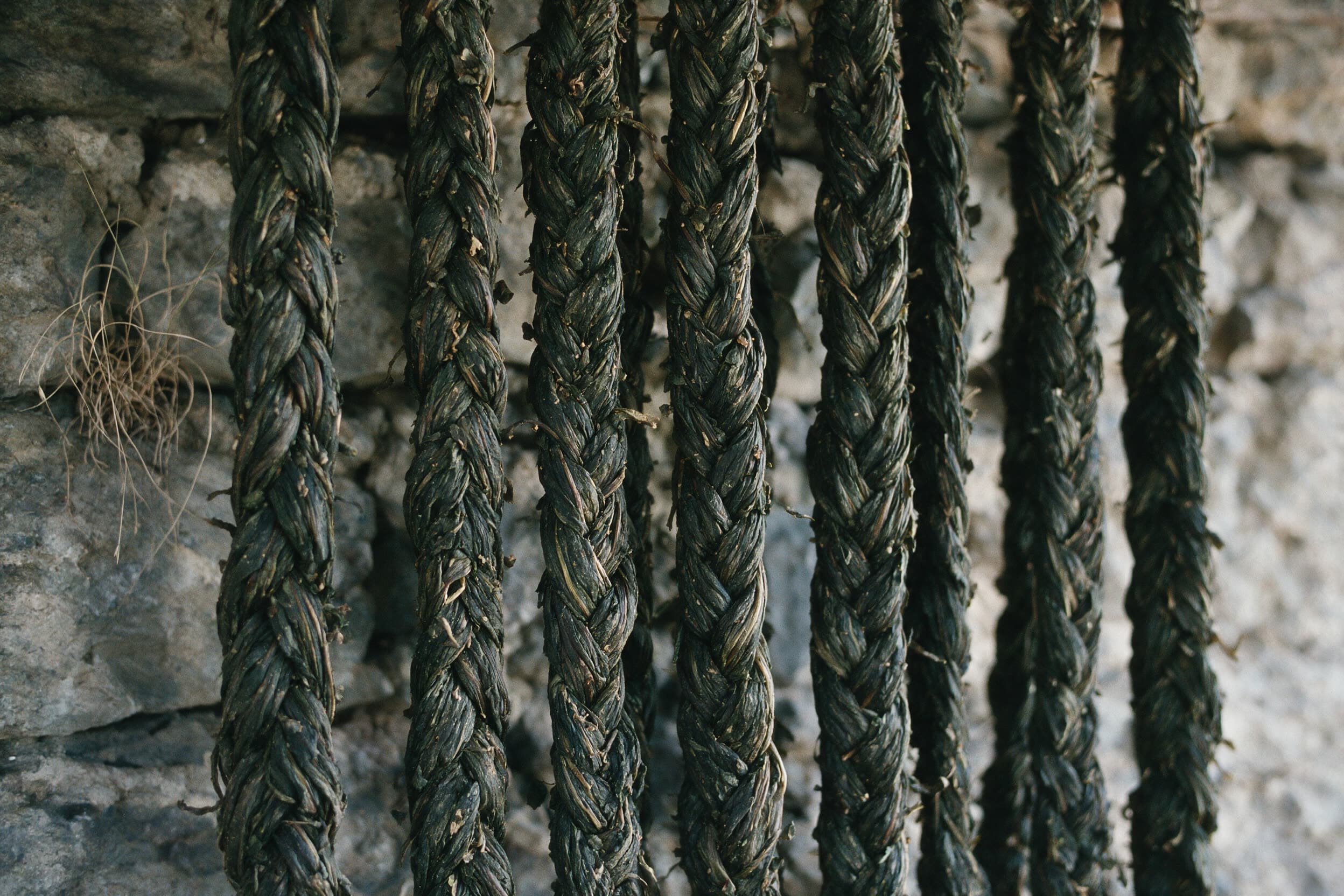
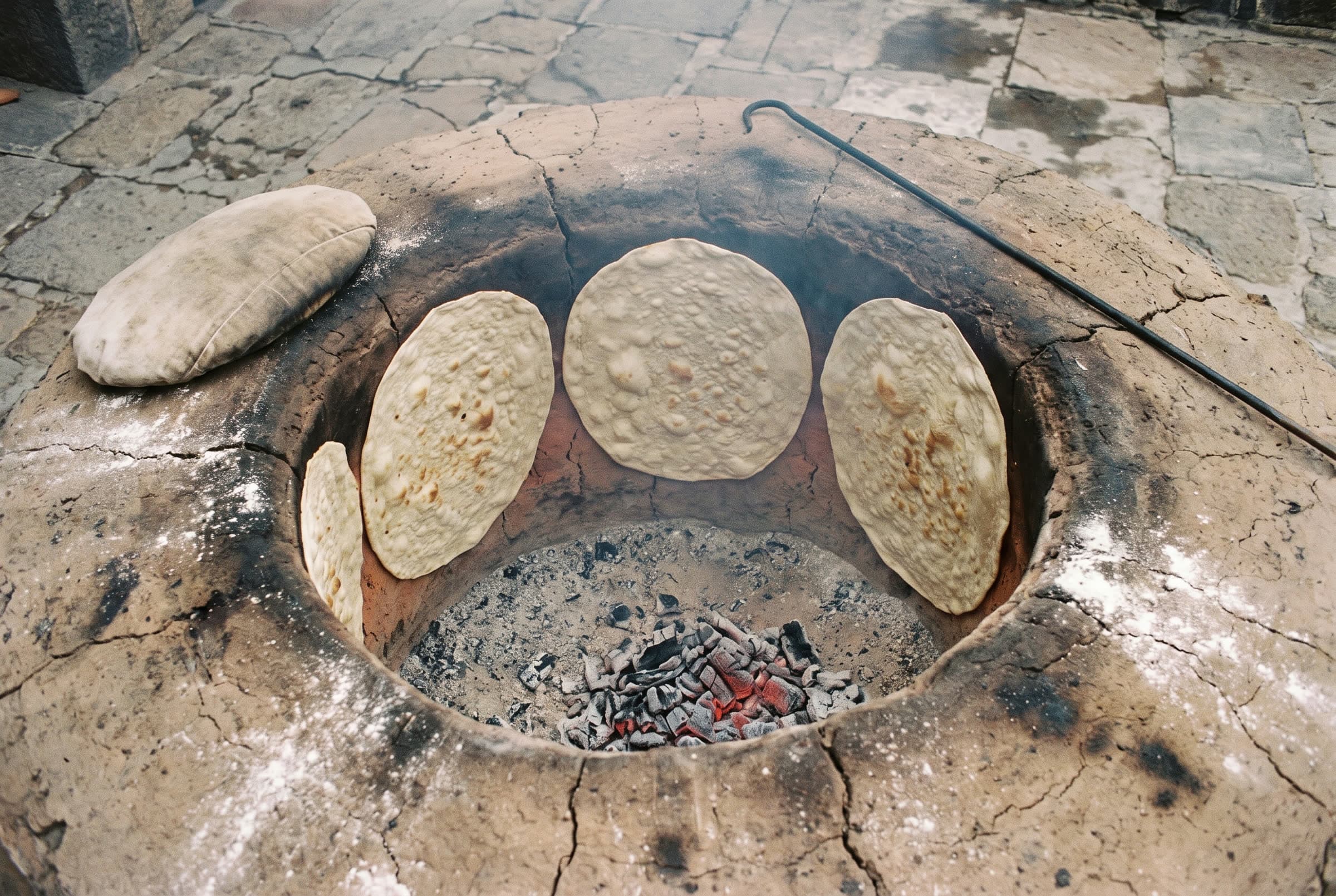
At the end there is jingalov hats. A flatbread filled with up to twenty different wild greens, finely cut, mixed with salt and oil, laid into thinly drawn dough and baked on a hot plate. It tastes of nothing you can place, and of spring.
The dough is the test. It is pulled so thin that a hand shows through it, and then a quantity of greens goes in that looks like too much and is not. Too little filling tastes of bread. Too much tears when you fold it. The women in the village need forty seconds for this and laugh at the attempt to copy it.
Nothing goes in your mouth that the guide has not named. The same meadows carry umbellifers that look like wild carrot and are poisonous, and a wrong grab is the one serious mistake this day allows. So every plant passes through his hand before it reaches the basket.
You walk six to ten kilometres, with many stops, because nobody makes progress while gathering. The basket is heavier at the end than at the start, and the greens in it lose half their volume by the evening.
Allergens
Jingalov hats contains wheat. The mix of greens changes daily and is gone through one by one before baking.
Wet greens warm up in the basket and collapse within two hours, so in rain we gather less and move to the baking earlier. The open high pastures also offer no shelter, and with thunderstorms building we descend before they arrive.
The one real hazard stands in the meadow rather than on the slope: umbellifers with poisonous members grow among the edible species. So the guide identifies every plant before it goes into the basket, and you only taste what he has named. We gather away from pastures holding herds and never at the roadside.
Every one of our expeditions can be extended with this experience — just say so in your inquiry.
Sound like your kind of day?
Tell us what draws you — we'll build it into your trip or plan it on its own.