Garni Gorge & Symphony of Stones
1 day
1,800 m
The first flatbread drops into the embers. The fourth does not.
At a glance
Every route is put together differently — we work out the price once you ask.
Fitness
Four to five hours mostly standing, plus bending over the tonir in the yard.
Why these months
From December to February we advise against it: the tonir stands in the yard, and in frost it takes so long to heat that the lavash part of the class usually gets dropped.
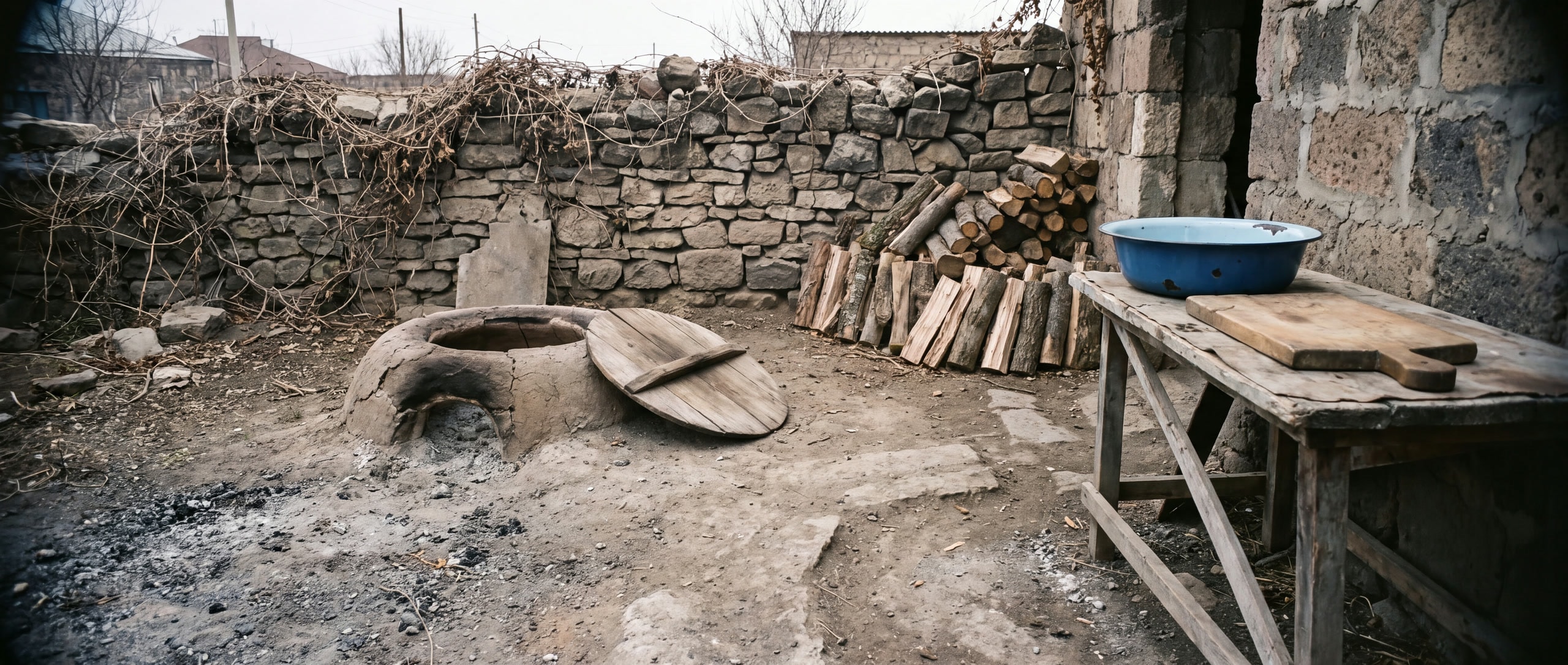
When the lid comes off the tonir the heat hits you hard enough that you take an involuntary step back — the oven is a clay cylinder set into the ground, with wood that has been burning down in it for hours. The dough still has to go in, with your upper body stretched out over the opening, and the first flatbread almost always drops into the embers.
Last night’s pot is still on the stove, and it gets pushed aside to make room for yours. Ingredients are not waiting counted out in little bowls. What reaches the table depends on what the market gave up that morning, and the quantities are written down in nobody’s notebook.
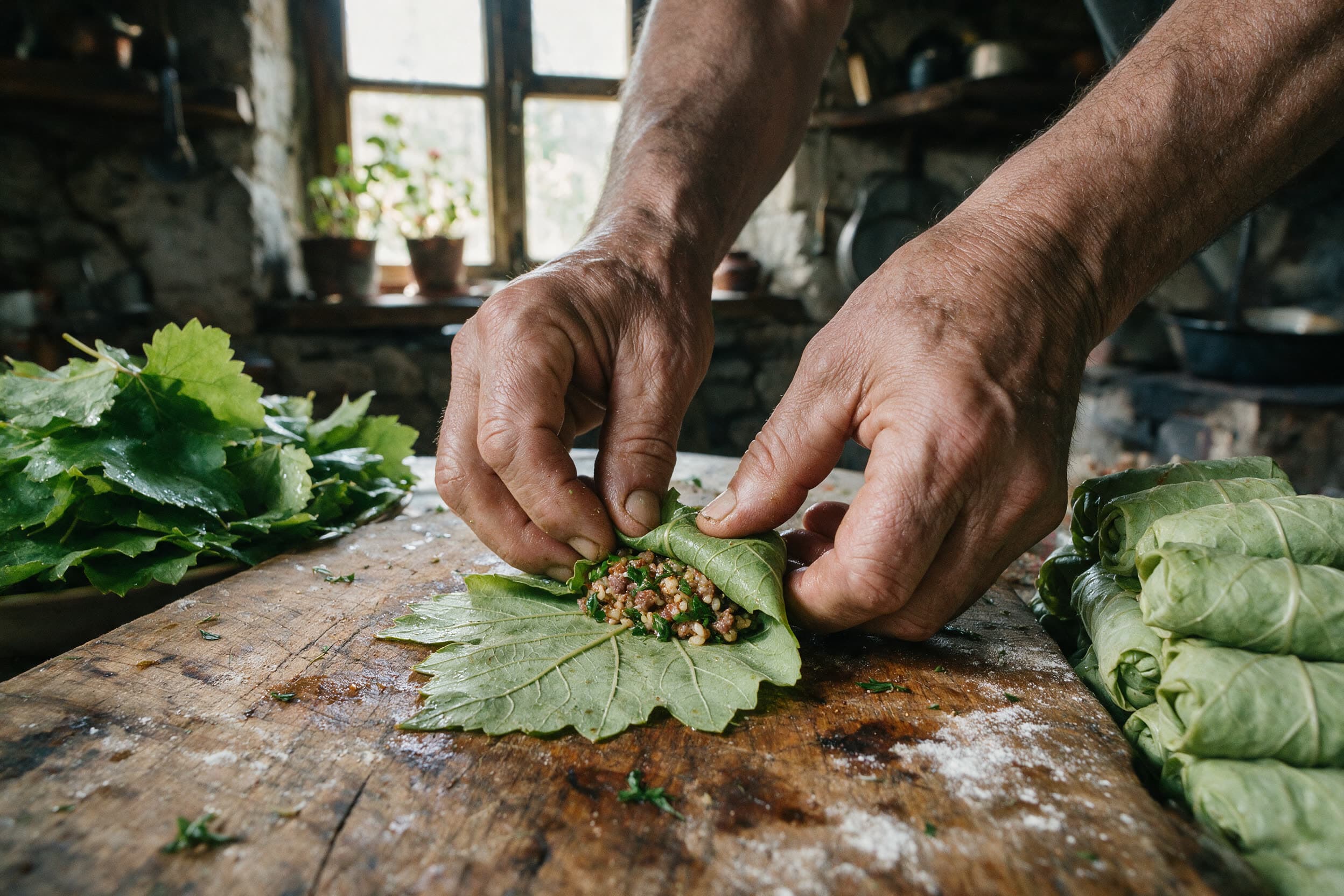
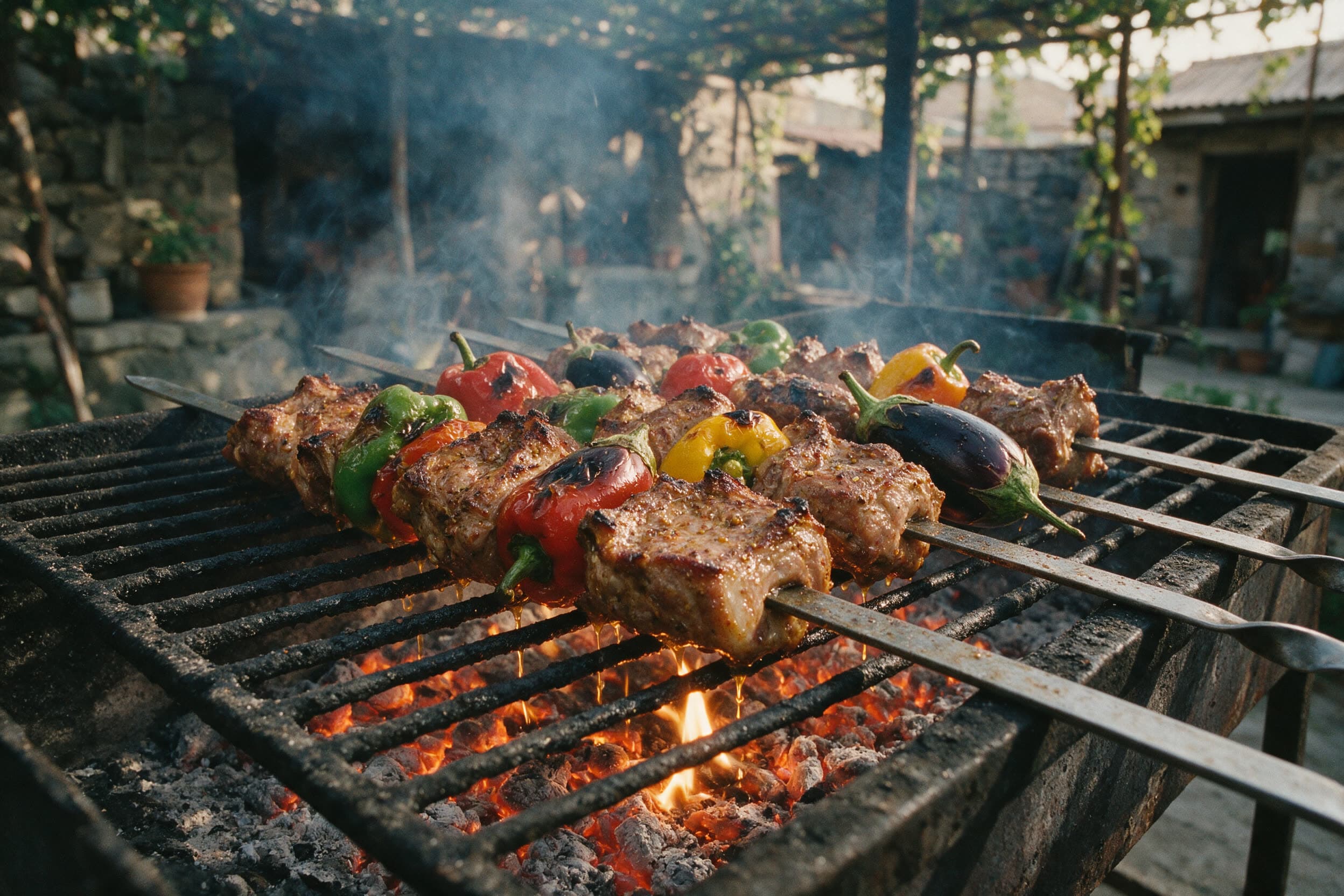
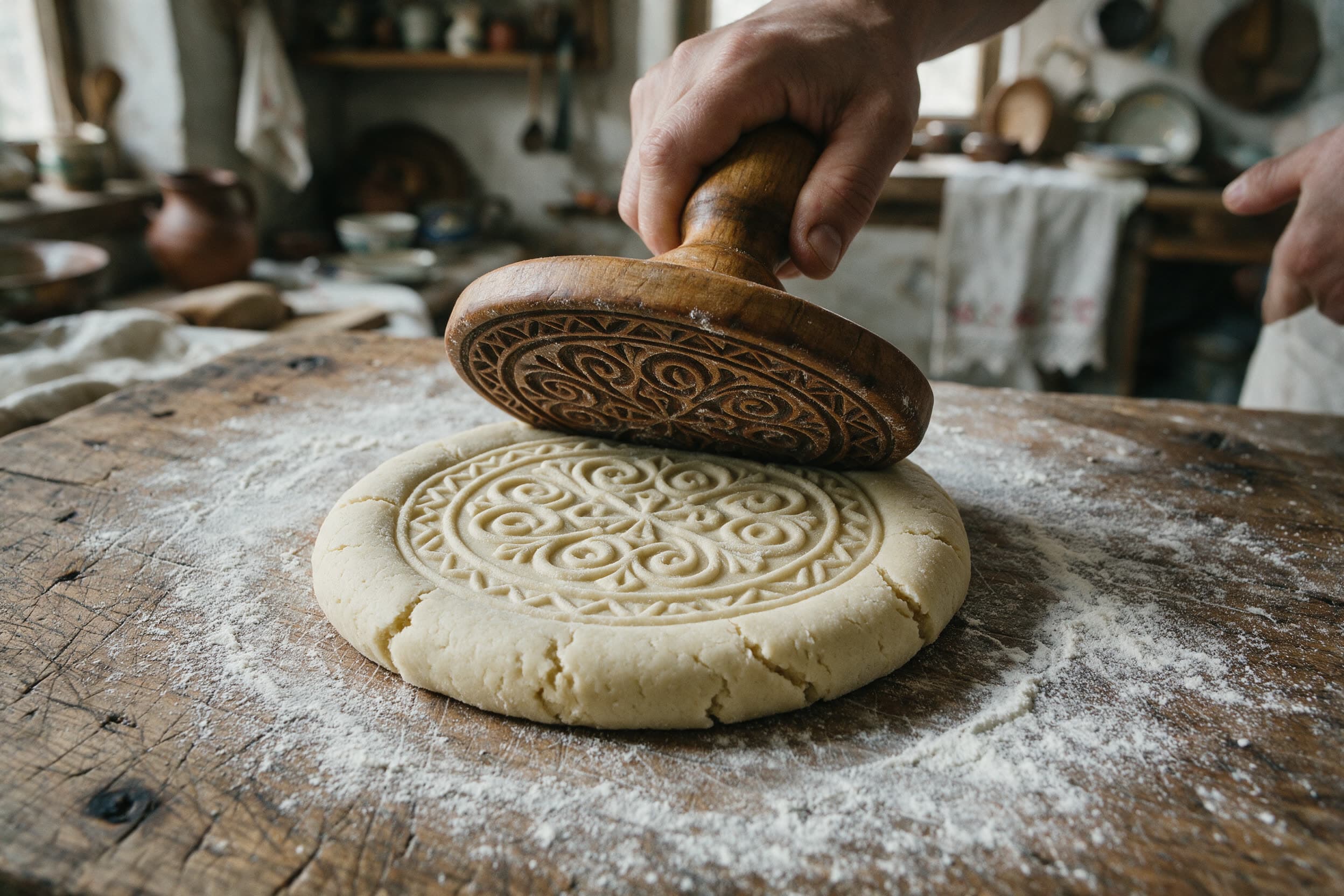
Three things you will almost certainly make. Dolma: filling and rolling vine leaves, tight enough to hold, loose enough for the rice to swell. By the fourth one none of them tear. Lavash: dough drawn thin over a padded cushion and slapped against the inner wall of the tonir, where it is done in under a minute. And khorovats over charcoal, where the actual work is the waiting and the decision about when the meat comes off the skewer.
The order follows the physics of the kitchen. What takes long goes first; what has to reach the table hot goes last. So you stand around in between, and that is exactly when the talking happens.
Fat is the point where this can get unpleasant. Aubergines spit when they go wet into hot oil, and the stove does not stand at working height for tall people. We say where your hands belong before every step, and it sounds over-careful until the first time something hisses.
Afterwards everyone eats together, in the yard or at the kitchen table, and it takes a while. There is no need to get up before three hours are gone.
What you carry home is less a recipe than a feel for quantities. Salt goes into a cupped palm here, and nobody can write down for you the distance between too little and enough.
Allergens
Wheat, dairy, egg and nuts appear in nearly every course. Tell us about intolerances when you book, not at the stove.
The tonir sits open in the yard. Rain hitting the hot clay wall cracks it, so in showers the oven stays shut and the lavash is baked on a griddle instead. The rest of the class happens under a roof anyway.
Nobody works over the open tonir with loose clothing or loose hair; reaching in is done with the baking cushion and only by the host. Hot oil is the second source: anything going into the pan is patted dry first, and the pan sits at the back of the stove. We settle intolerances at booking, because the shopping is what adapts, not the stove.
Every one of our expeditions can be extended with this experience — just say so in your inquiry.

Sound like your kind of day?
Tell us what draws you — we'll build it into your trip or plan it on its own.