Garni Gorge & Symphony of Stones
1 day
1,800 m
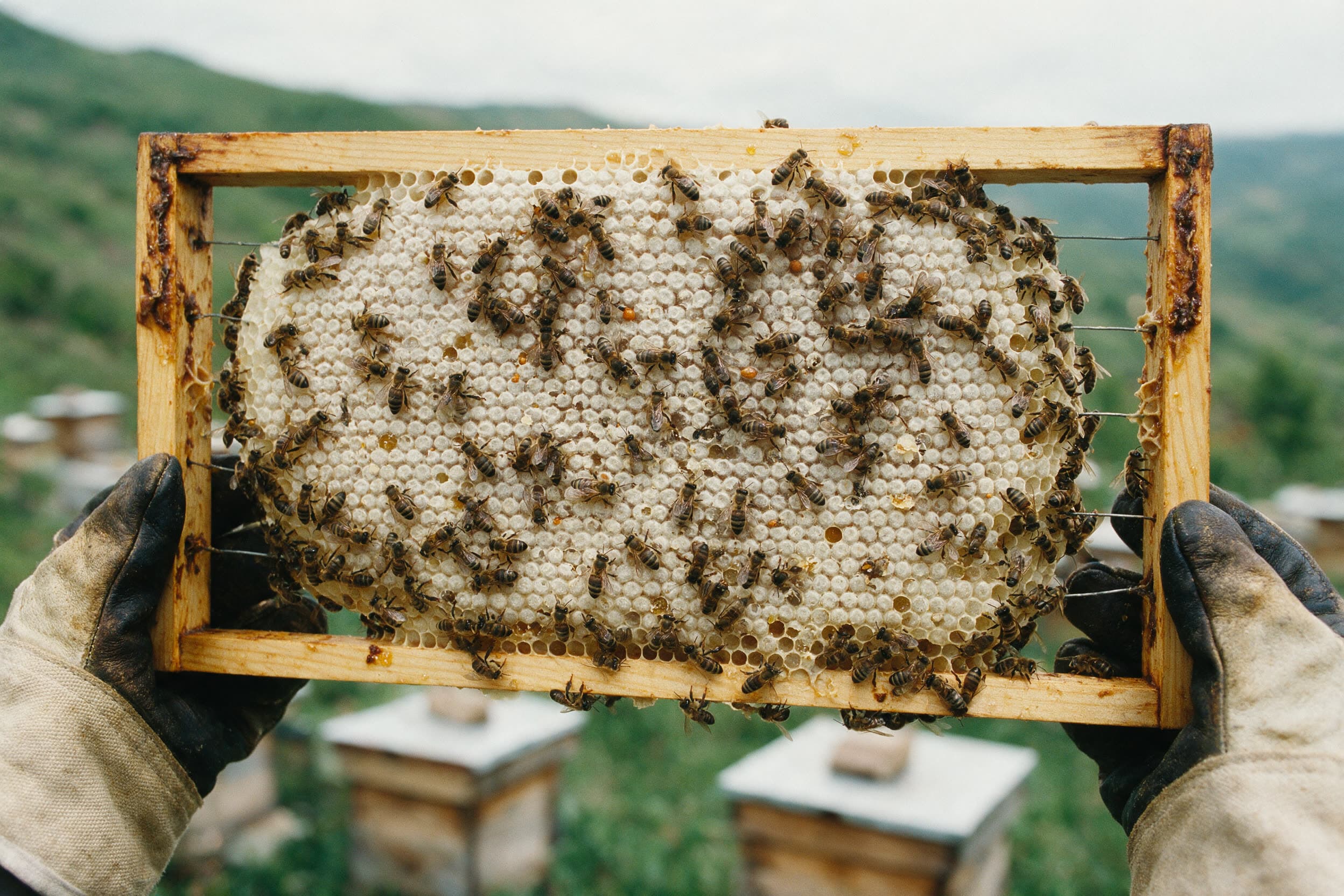
You hold a frame level. Twenty thousand animals sit underneath it.
At a glance
Every route is put together differently — we work out the price once you ask.
Fitness
Standing on a slope and lifting individual frames; on a hot day the bee suit is the real effort.
Why these months
From October to April we advise against it: below twelve degrees the bees do not fly.
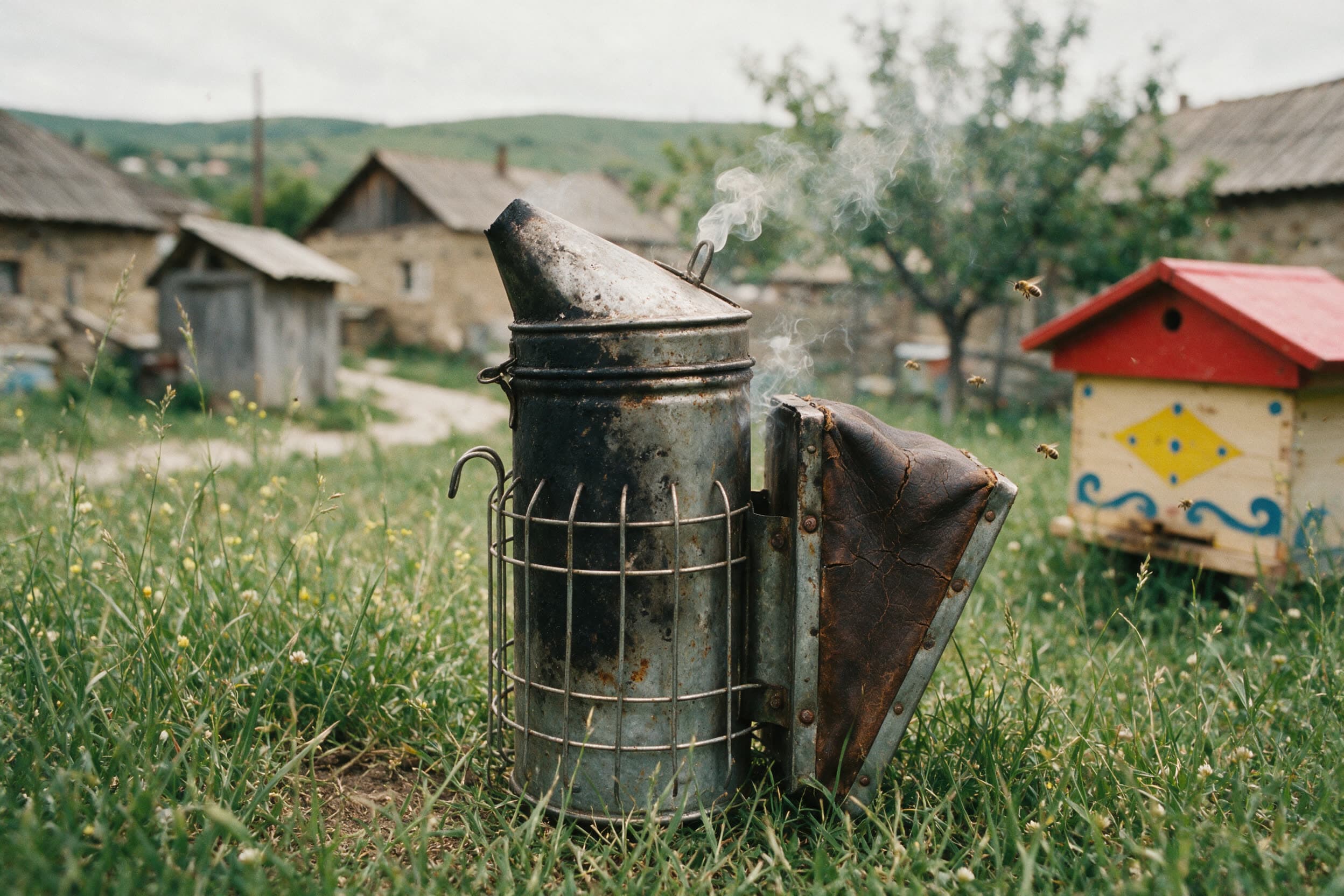
The smoker is already going before anything gets opened, and the smell — burnt wood, dry grass, wax — stays in your hair for the rest of the day. Smoke convinces the colony there is a fire; the bees fill themselves with honey and are busy with themselves for twenty minutes. Without it no lid comes off.
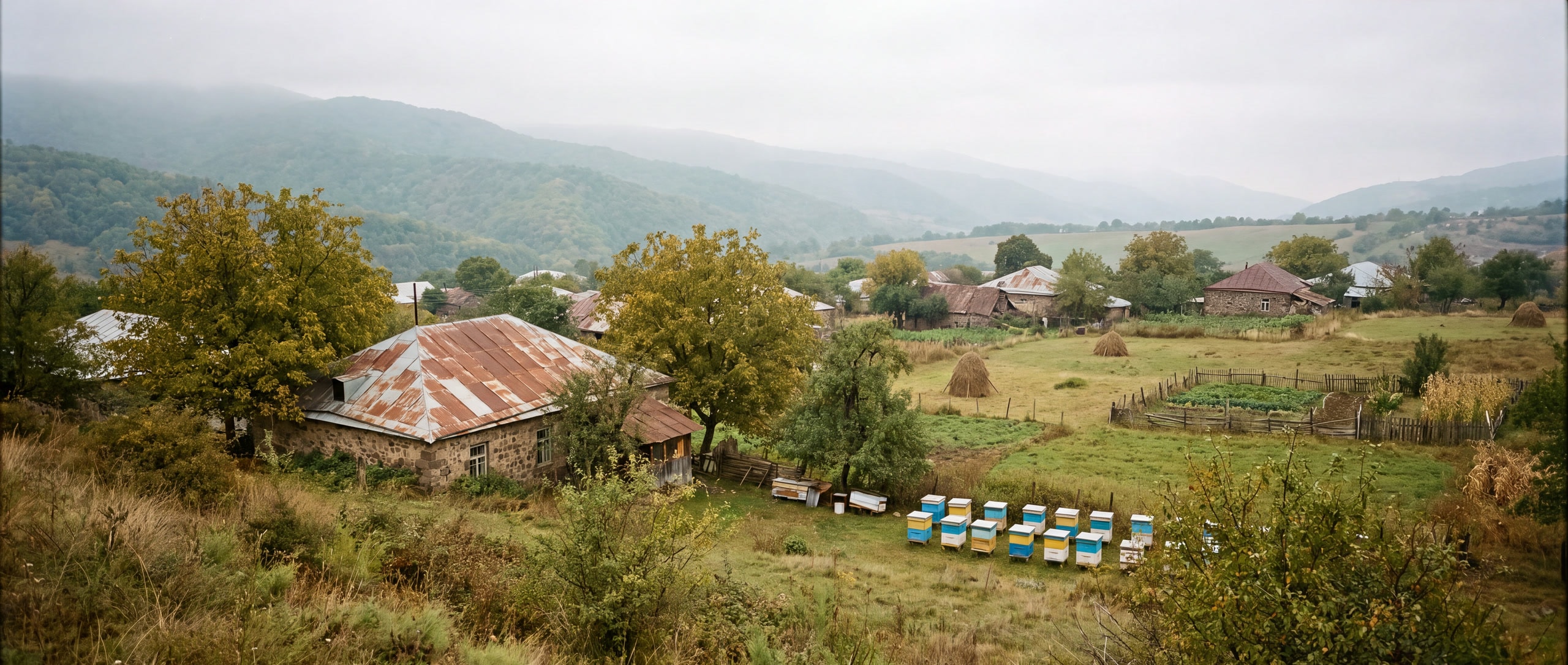
A village apiary in Tavush is fifteen to forty hives on a slope, usually with the entrances facing south-east so the morning sun gets the colonies moving early. The beekeeper walks the row and can tell from the traffic at each entrance which colony he is not opening today.
A drawn frame weighs more than you expect, and you hold it level and always over the hive. If it falls, it falls onto twenty thousand animals. On that frame you see in one image what a colony is doing: capped brood in the middle, a ring of pollen around it, honey at the outside and the top. Finding the queen takes a quarter of an hour the first time and feels like a small victory afterwards.
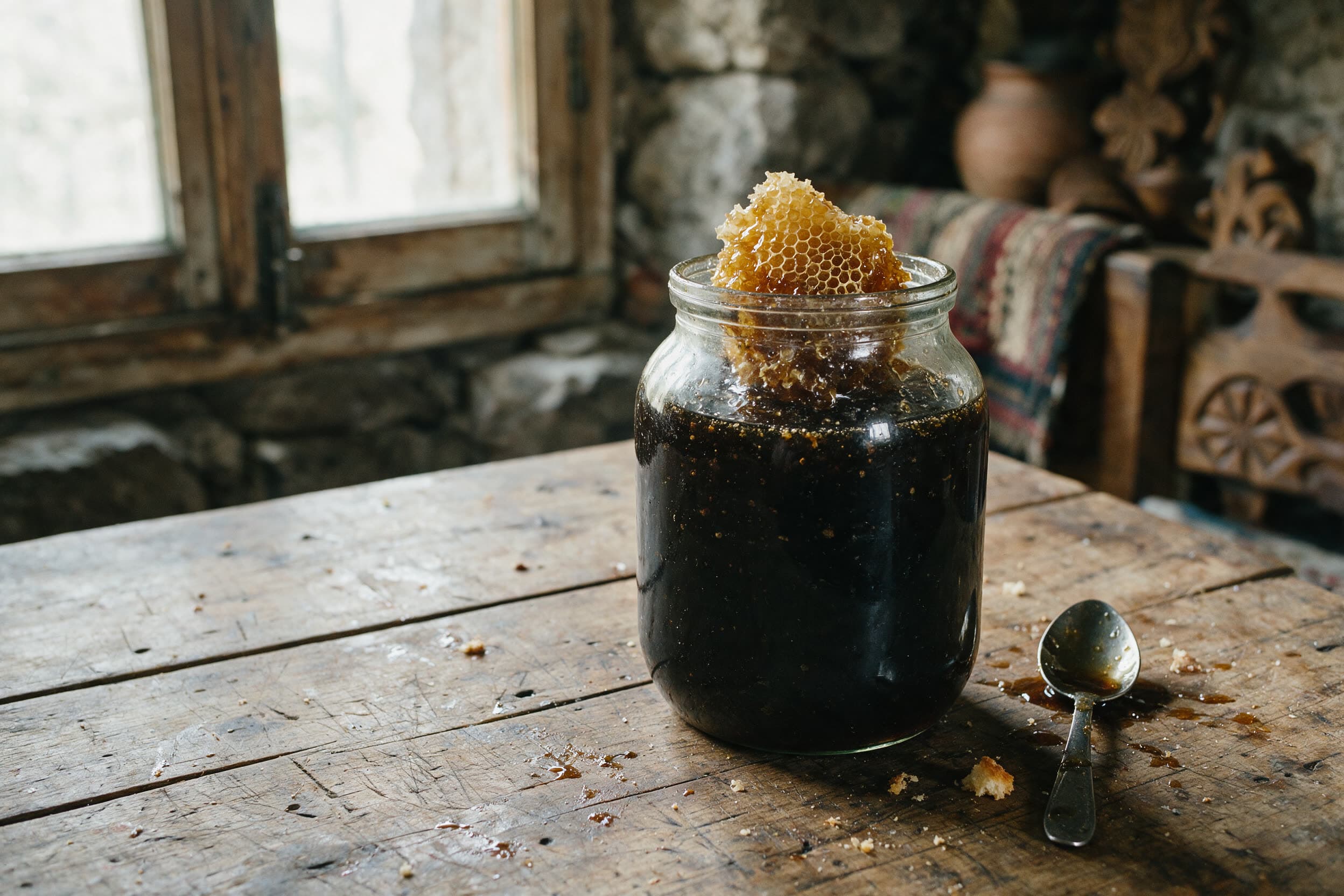
Extraction happens in the side room, because the centrifuge belongs where the bees are not. Uncapping, loading, cranking, and then honey runs from a tap too slowly to impress anybody. Thyme honey and mountain-meadow honey from the high pastures taste so different that a blind test is worth it; both are on the table here.
People do get stung. Not everyone, not always, but often enough that we talk about it beforehand. Veil and gloves are mandatory, dark clothing and perfume stay at home. If you are allergic to insect venom, tell us when you book — an auto-injector then belongs in your own pocket and has to be discussed in advance. At the apiary it is too late for that.
At the end you sit in the yard, eat honey with bread and butter, and go on smelling of smoke.
Allergens
Honey is not suitable for infants under one year. The tasting comes with wheat bread and butter; an allergy to insect venom is settled at booking.
The bees set the weather window here. Below twelve degrees and in rain the foragers stay inside, the colony sits tight and turns markedly defensive when opened — the hives then stay shut and we move the day into the extraction room and the village.
A sting is planned for rather than an exception: veil and gloves are mandatory, dark and rough fabrics as well as perfume stay away, because both trigger defensive behaviour. A known allergy to insect venom is settled at booking, and an auto-injector has to be carried and shown to the guide. Nobody stands in front of the entrances and nobody swats at bees — calm, slow movement is the whole trick.
Every one of our expeditions can be extended with this experience — just say so in your inquiry.
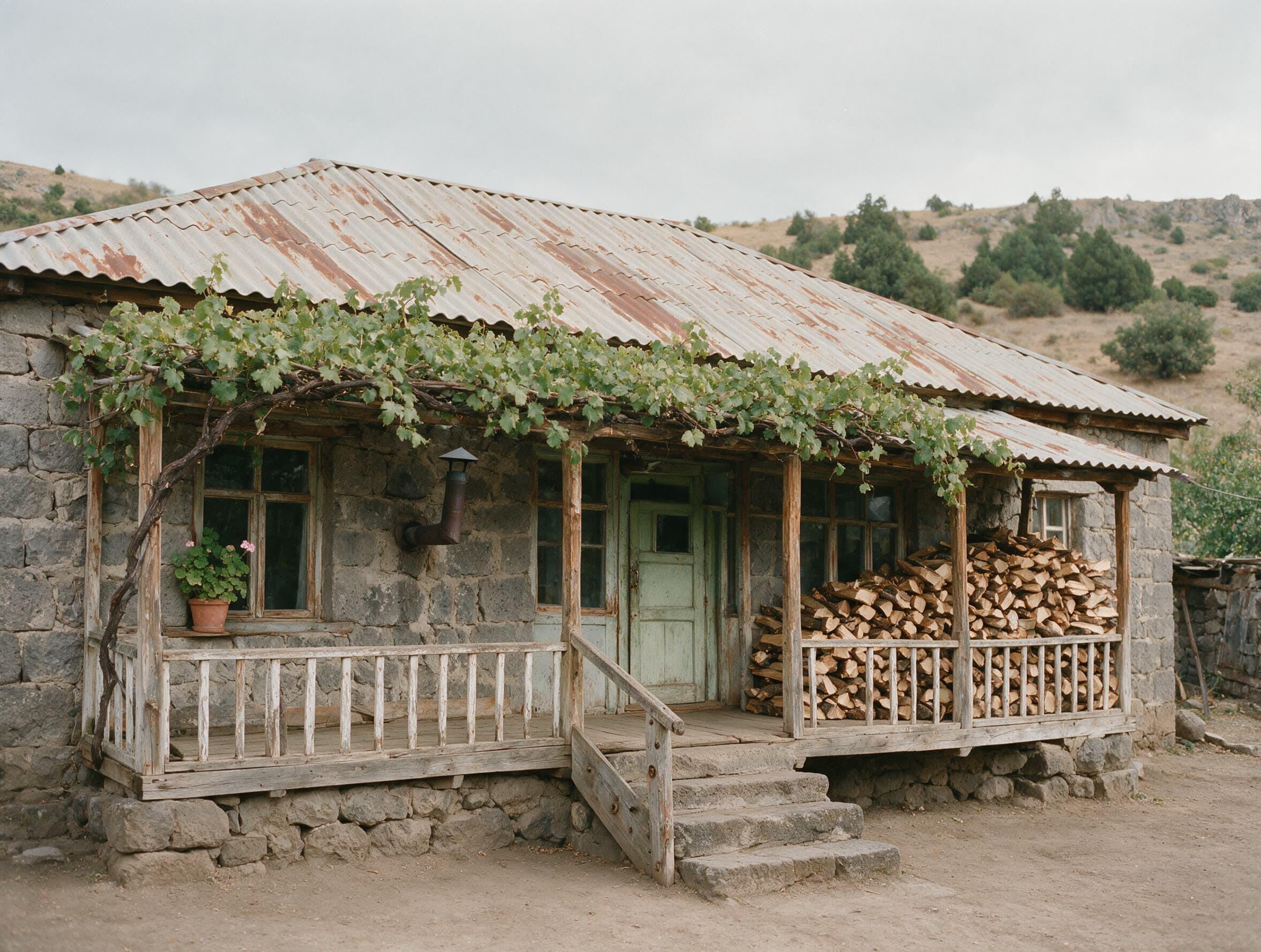
The best room in the house, a shared bathroom, toasts in a fixed order.
Sound like your kind of day?
Tell us what draws you — we'll build it into your trip or plan it on its own.