Explorer
The Legends Route
6 days
3,300 m
A workshop that keeps working while you practise.
At a glance
Every route is put together differently — we work out the price once you ask.
Fitness
Three to five hours seated or standing at a piece of work; your hands and forearms notice it the next day.
Why these months
From December to February we advise against it: with numb fingers on a chisel or a knot the craft turns into frustration fast.
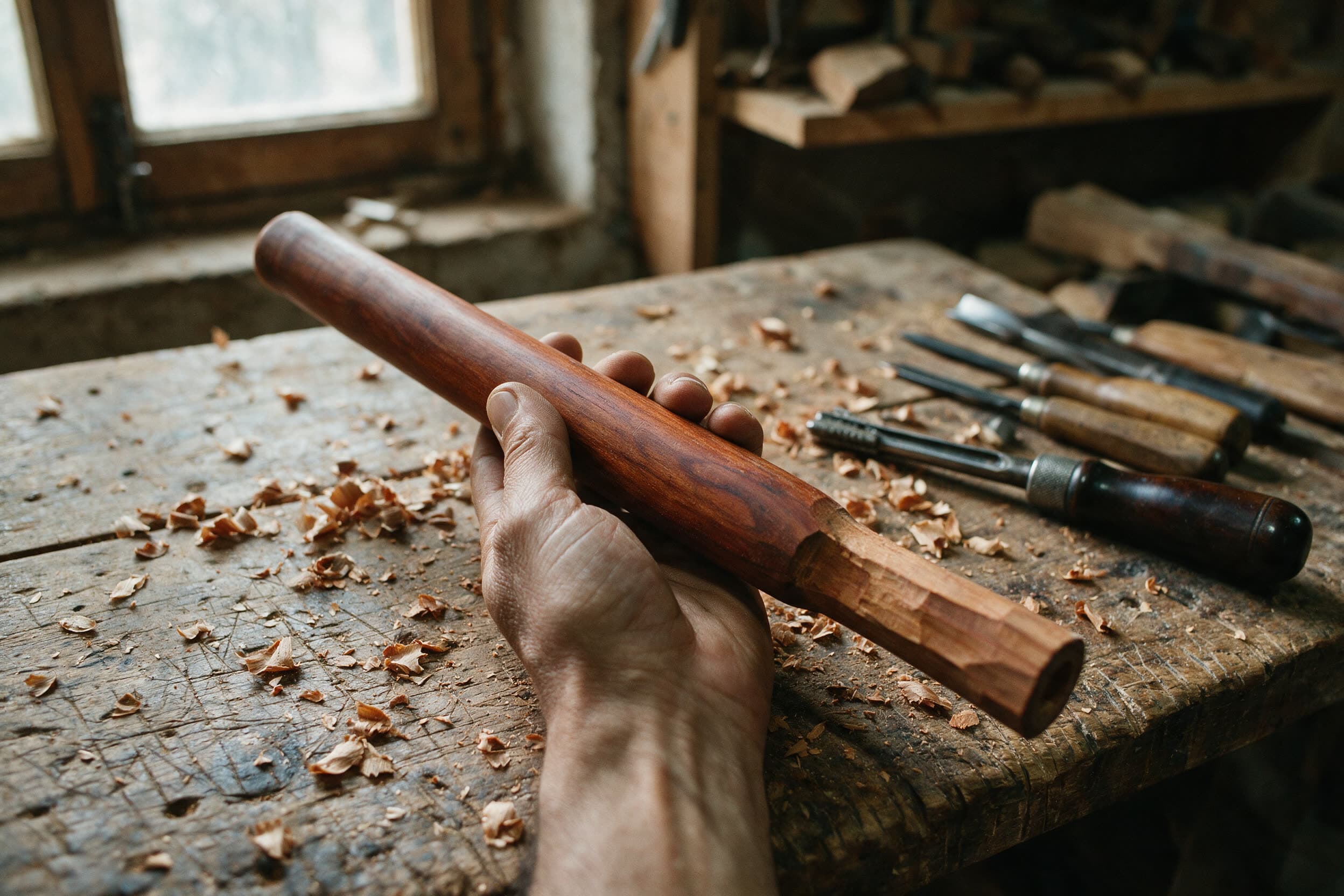
The first blow misses, and so does the second. The chisel sits too steep, the tuff breaks out instead of chipping away, and the line you planned becomes a notch with a ragged edge. After an hour you have a shallow groove ten centimetres long and respect for people who turn this into interlace. The mason beside you says nothing about it; he turns your chisel thirty degrees flatter and moves on.
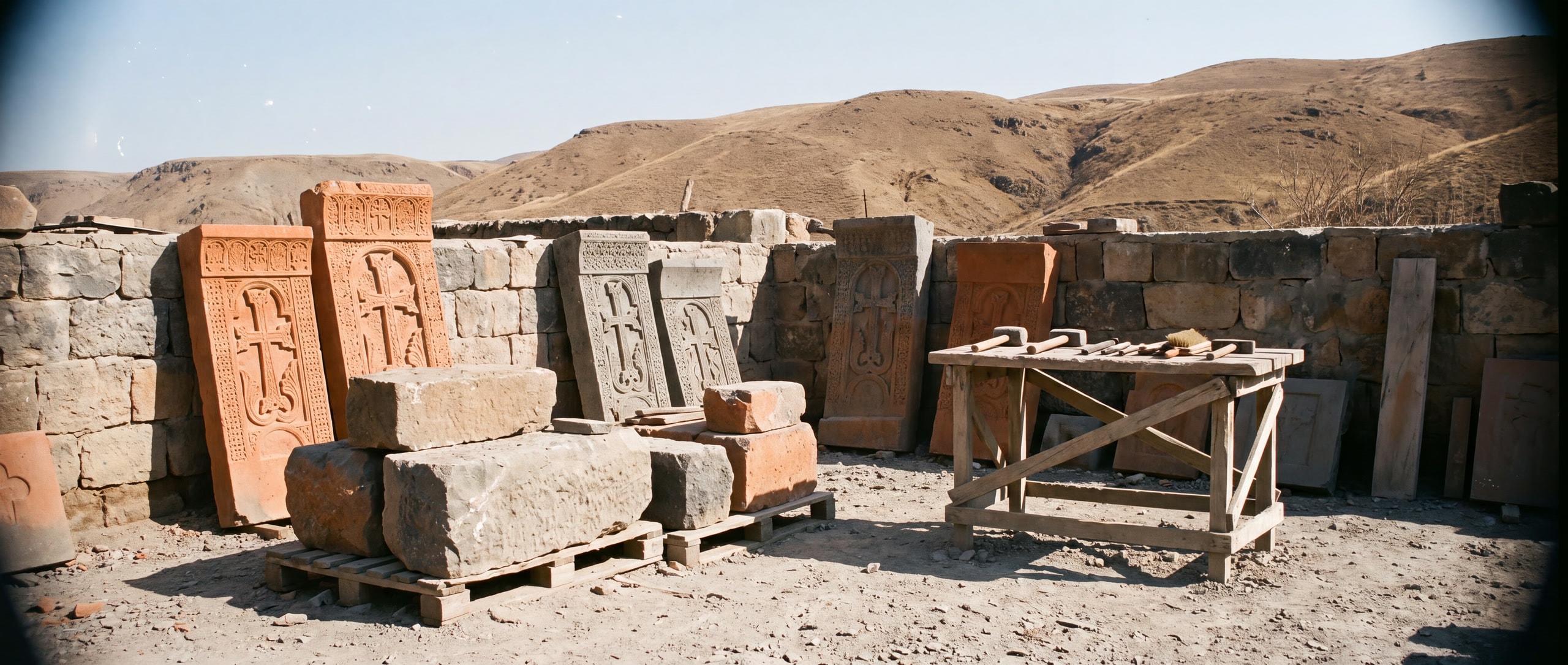
The workshops we go to are places of work. There is no demonstration running; there is the morning the stonemason would have had anyway, and you sit beside him and join in. That is less comfortable than a show workshop and the reason something actually sticks.
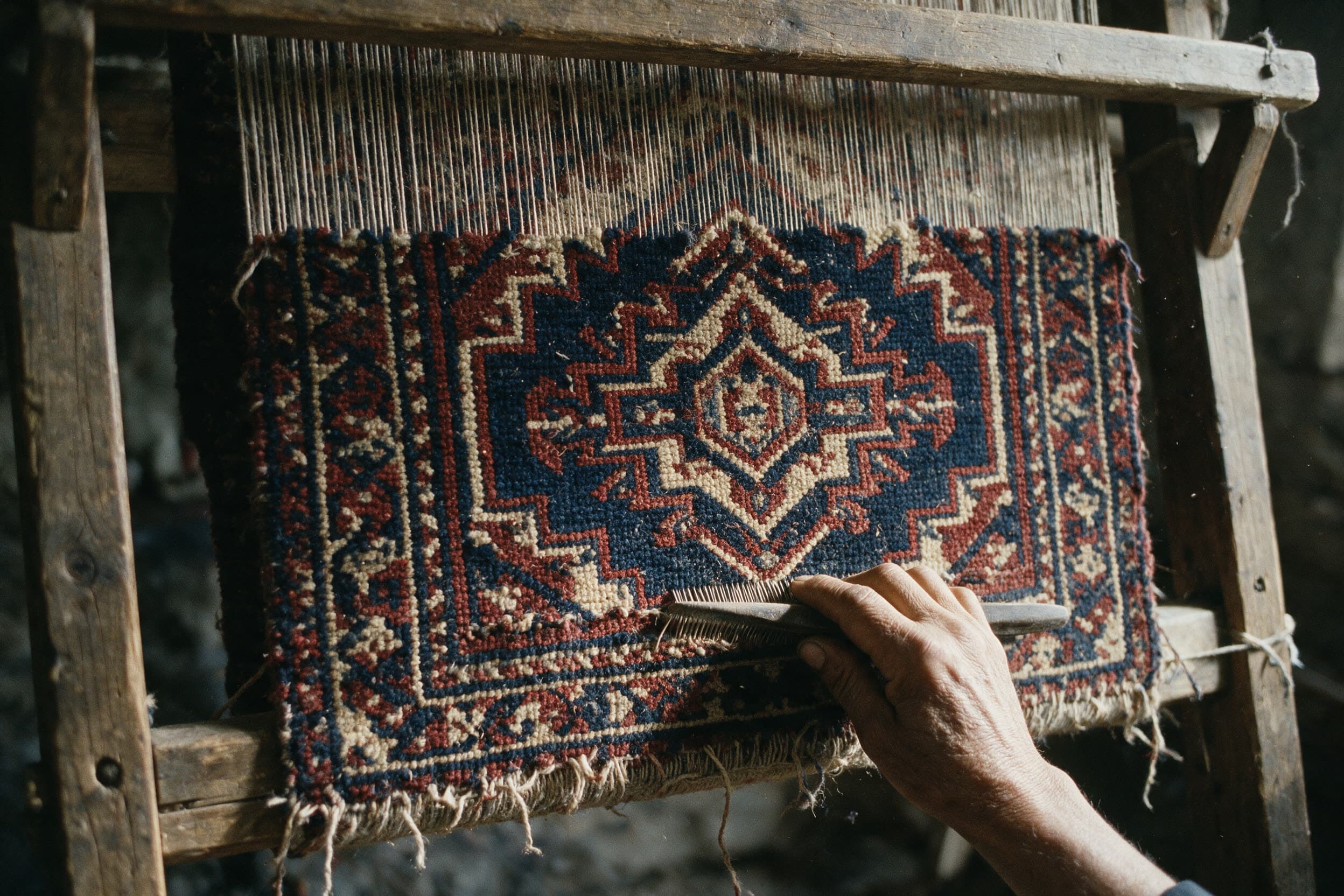
You work at two things. The khachkar, the Armenian cross-stone: soft tuff, a mason working without a drawing, and a pattern that never repeats because it was never drawn twice. And the carpet: a frame loom, wool coloured with madder, walnut husk and onion skin, and knots a weaver ties in a second and you tie in ten.
Wool is the part most people underestimate. Before any dyeing there is washing, combing and spinning, and the smell of warm damp wool stays in your jacket until evening. Madder does not give a red that looks like bought red; it pulls towards brick and grows lighter rather than paler over the years.
You work with the workshop’s tools and by its rules. Safety glasses are mandatory at the chisel, because tuff splinters fly flat, at eye height. Dust is the second point: stone dust does not belong in your lungs, so we work at the open door.
Your own piece is rarely presentable. A palm-sized piece of tuff with a crooked line in it, four centimetres of weaving. Neither will interest anyone at customs, and both are still lying around ten years later.
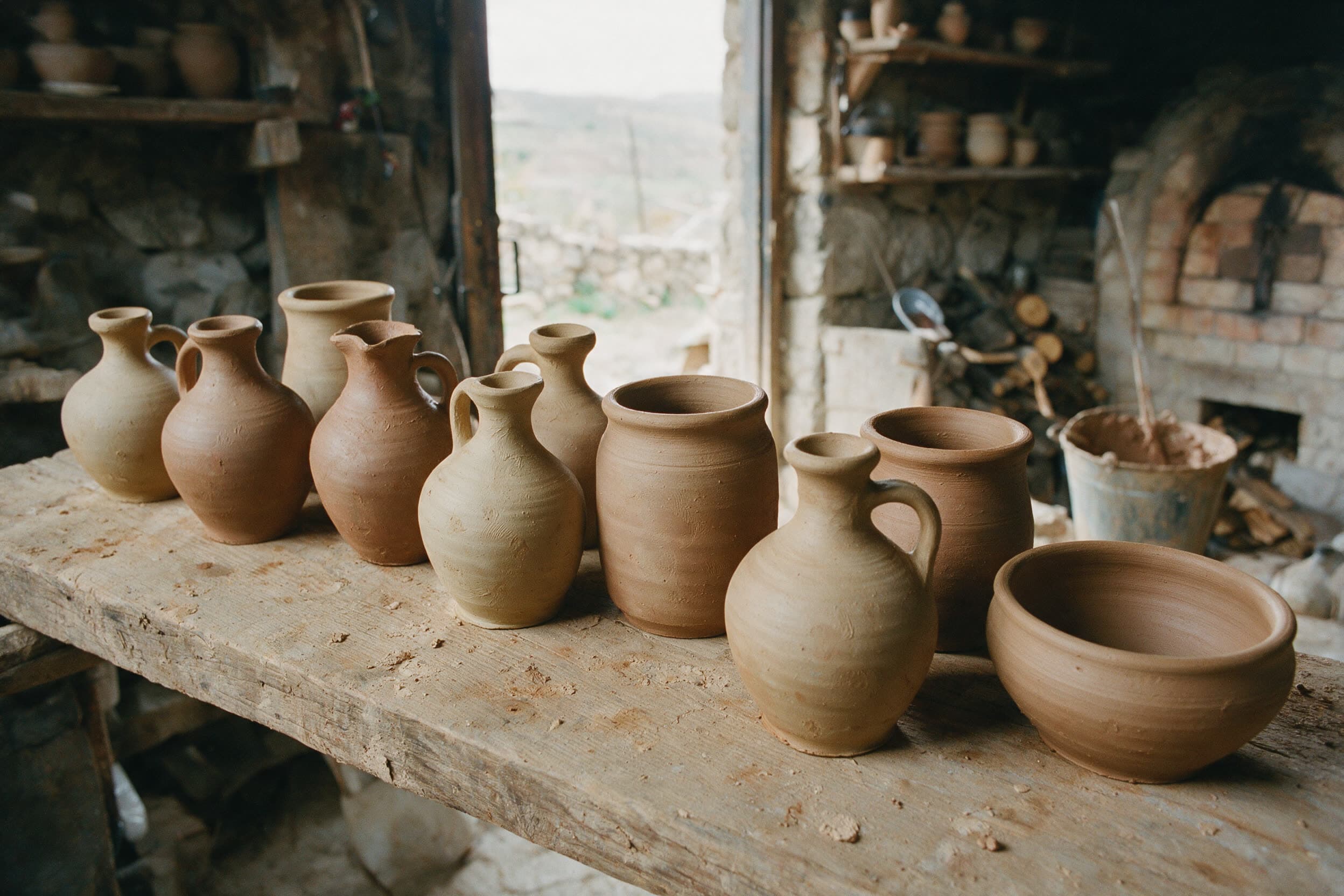
Damp changes the material. Wet tuff dust gums up tool and workpiece, and wool washed on a rainy day cannot be spun the same day. In sustained rain the emphasis shifts from stone to loom — both stand under a roof, but only one of them works dry.
Tuff splinters fly flat off the chisel, which is why safety glasses are mandatory rather than advisable, including for anyone watching in the same room. Stone dust stays in the lungs: we work at the open door, and no grinding happens in a closed room. At the loom the scissors are the only sharp tool, and they stay out of children’s reach.
Every one of our expeditions can be extended with this experience — just say so in your inquiry.
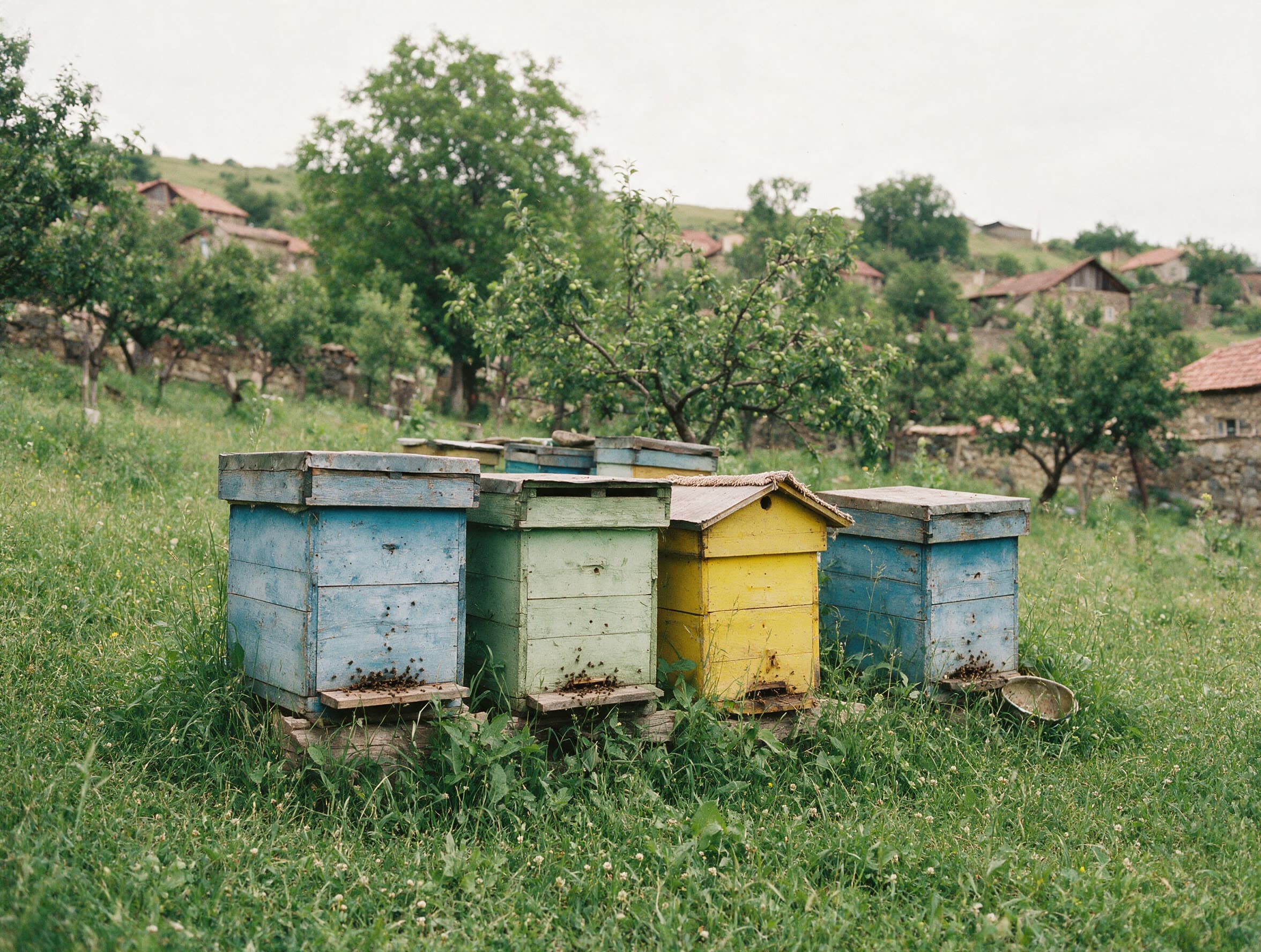
You hold a frame level. Twenty thousand animals sit underneath it.
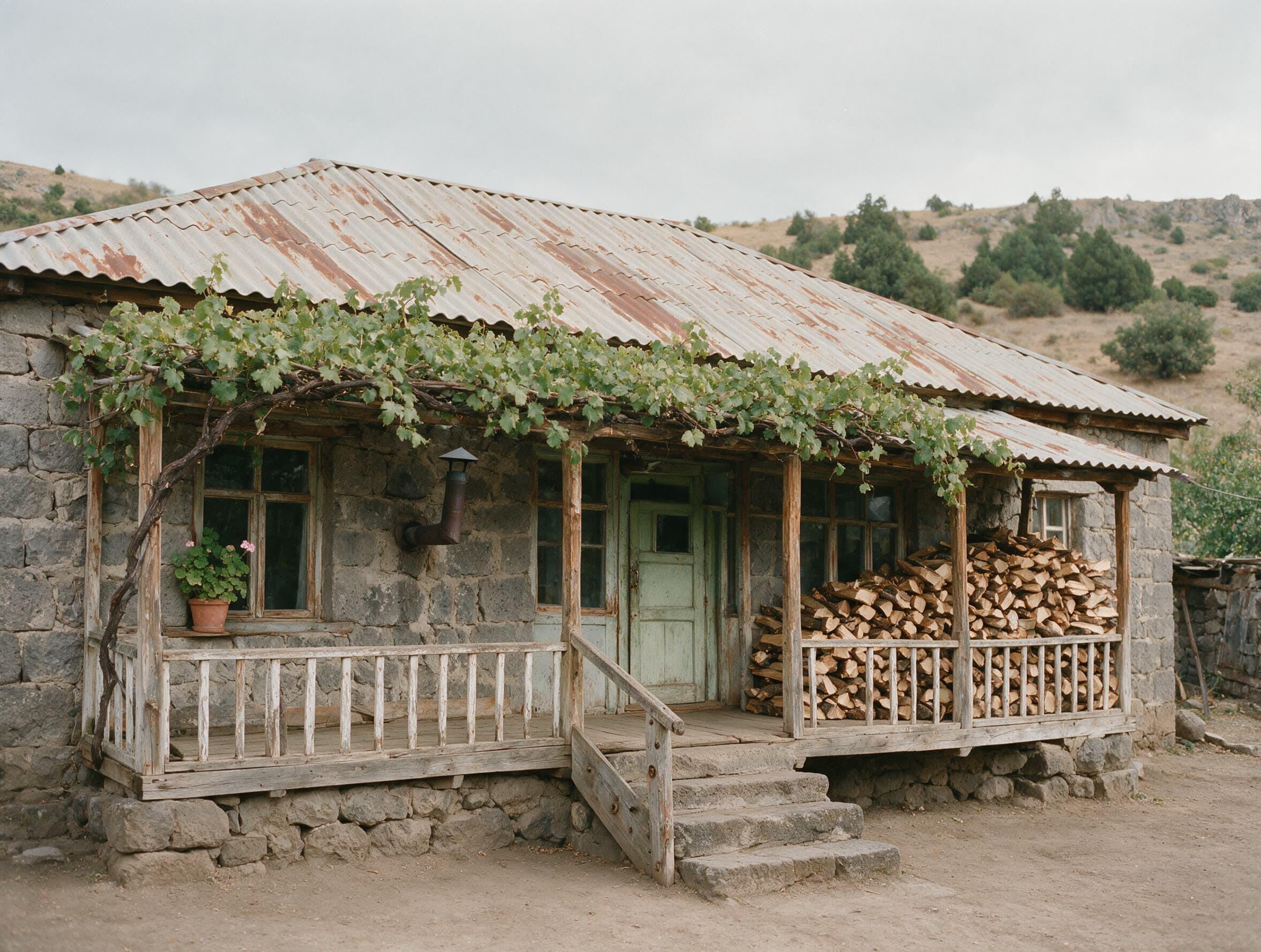
The best room in the house, a shared bathroom, toasts in a fixed order.
Sound like your kind of day?
Tell us what draws you — we'll build it into your trip or plan it on its own.