Garni Gorge & Symphony of Stones
1 day
1,800 m
Twenty minutes of darkness that one white screen undoes.
At a glance
Every route is put together differently — we work out the price once you ask.
Fitness
No climbing, but several hours outdoors at night in low temperatures.
Why these months
From November to April we advise against it: at minus ten degrees nobody lasts three motionless hours outdoors.
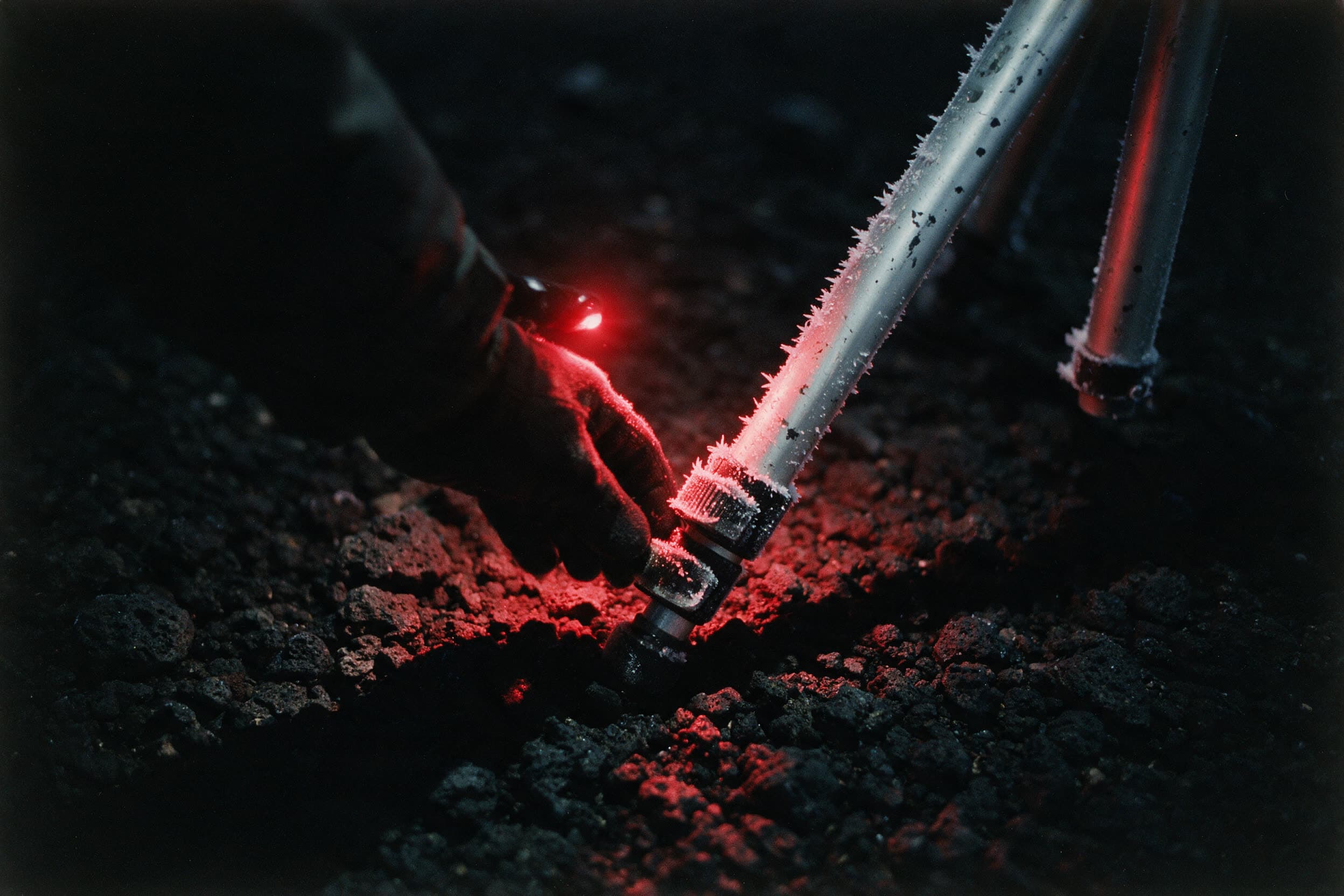
Twenty minutes after the last light goes out you see roughly three times as much as you did at the start. That is how long the eye needs to adapt — and a single white phone screen resets those twenty minutes for the whole group. So everyone gets a head torch with a red light while it is still light out.
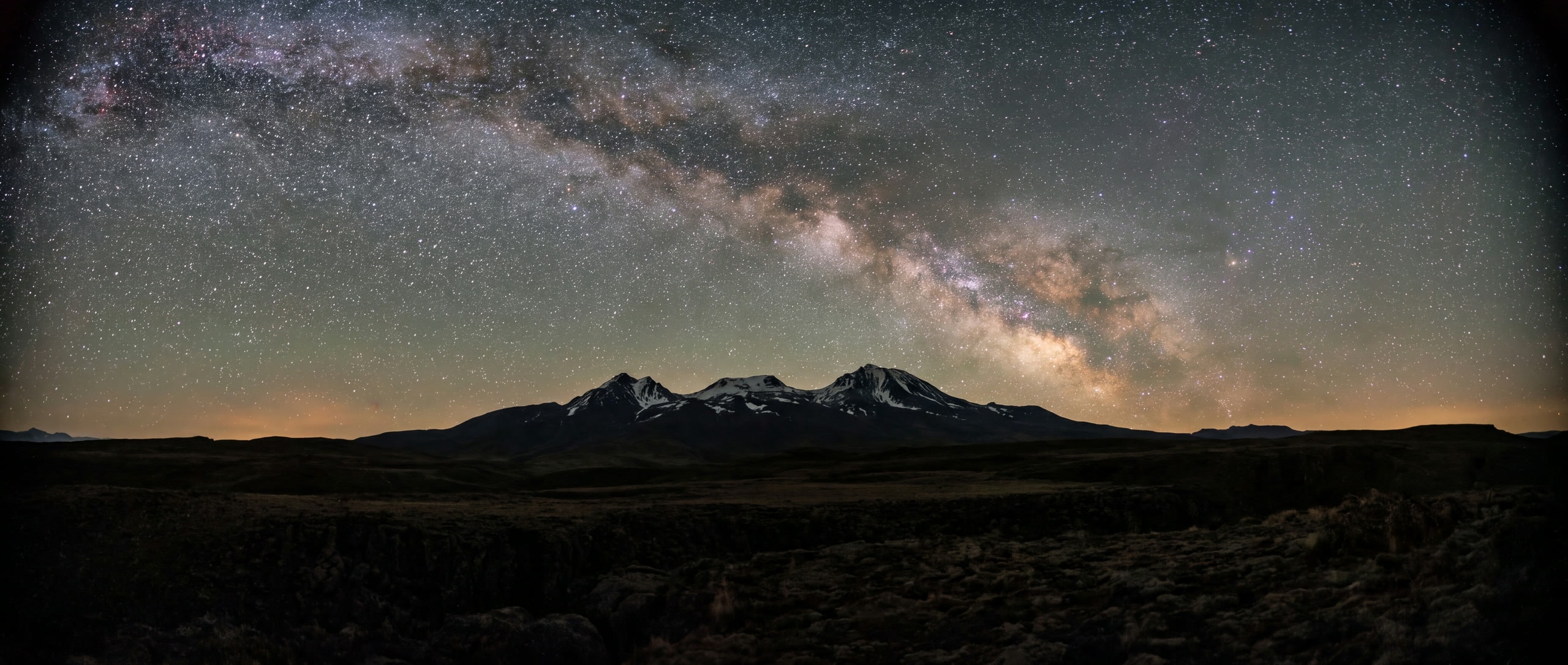
The date follows the moon. At full moon the sky is as bright as a suburb; around new moon the Milky Way lies over the highland as an unbroken band and runs from horizon to horizon. We fix those nights months in advance.
We drive up in the afternoon so that you see the place in daylight. At two thousand metres there are holes, stones and dry stream beds, and in the dark you find them with your shin. The rest of the approach is unspectacular: a track, a shallow saddle, no village, no road and no light in sight.
The Aragats slope near Byurakan did not get its reputation by accident — an observatory has stood there since the nineteen forties, because the air over the Armenian highland is dry and steady. We have no access to that observatory. To the same air, yes.
It gets cold earlier than you expect. Fifteen degrees in the afternoon means four at two in the morning, and you barely move in that time. We bring blankets and hot tea, and even so half the group is sitting in the vehicle after two hours.
Photography works but needs a tripod and patience. Thirty seconds of exposure at a wide aperture and the stars are already trailing. What ends up on the screen afterwards has little to do with what you were just looking at.
No camera gets the effect that stays: the sky gains depth once the eye has finished adapting. In a photograph it is flat again.
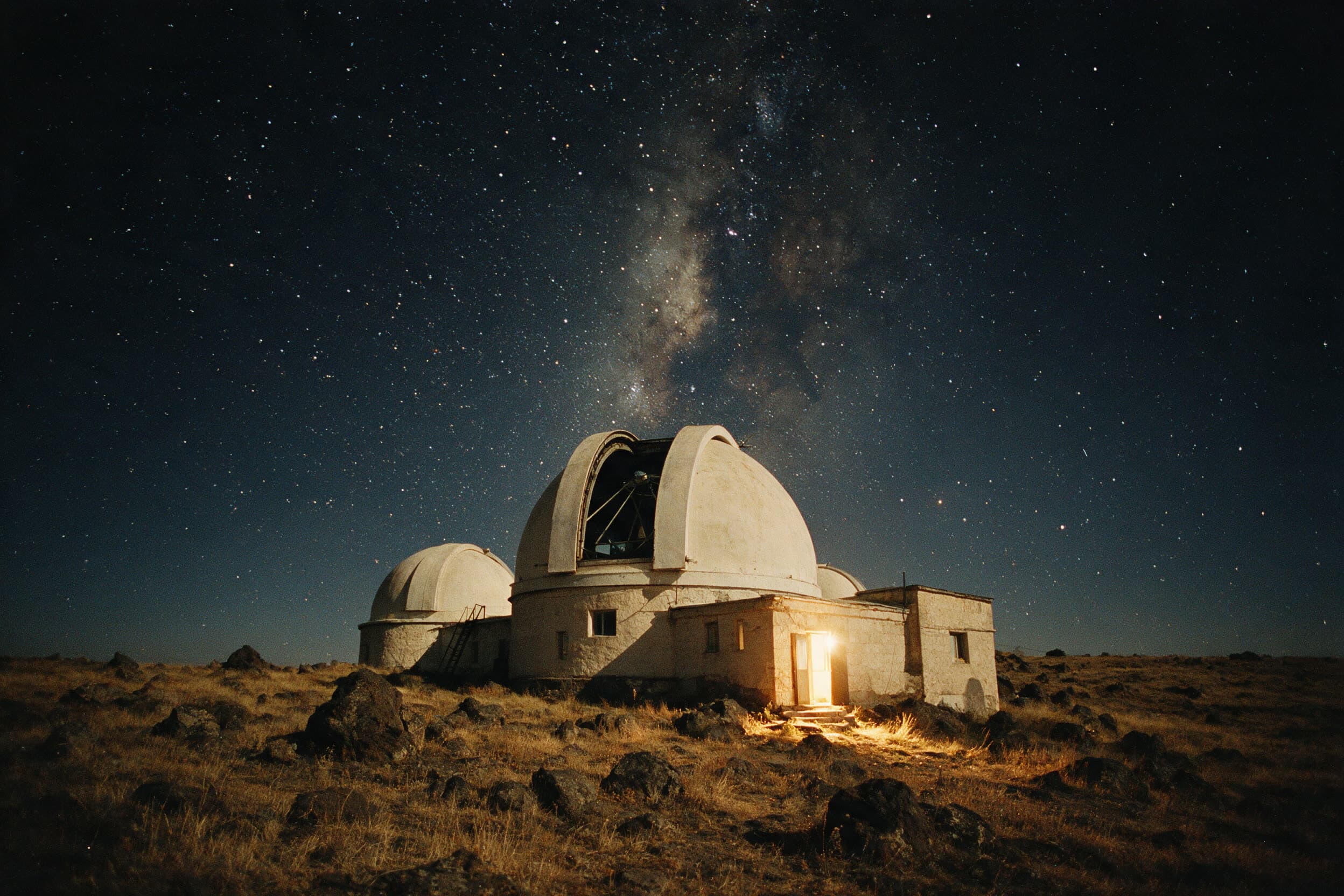
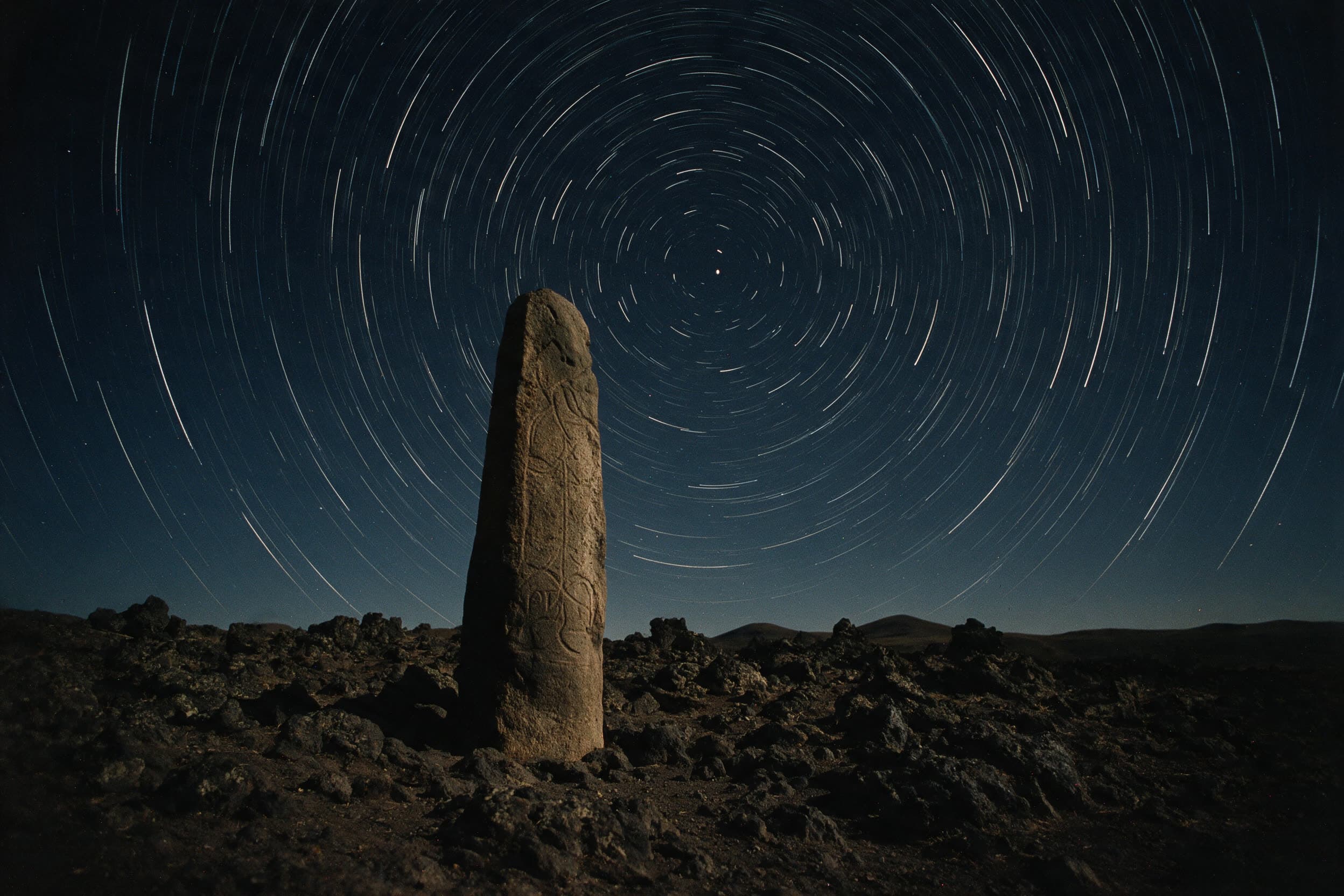
This activity knows two states: clear or not. Thin cloud cannot be driven around, so we decide in the late afternoon from satellite imagery and offer the next suitable night if it is off, rather than driving up regardless.
The dangerous part is the drive rather than standing in the dark: we go up in daylight, mark the site and the point where it drops away while we can still see, and only drive back after a break. White lights stay off, because dazzled eyes trip on uneven ground. Nobody walks away from the group alone.
Every one of our expeditions can be extended with this experience — just say so in your inquiry.
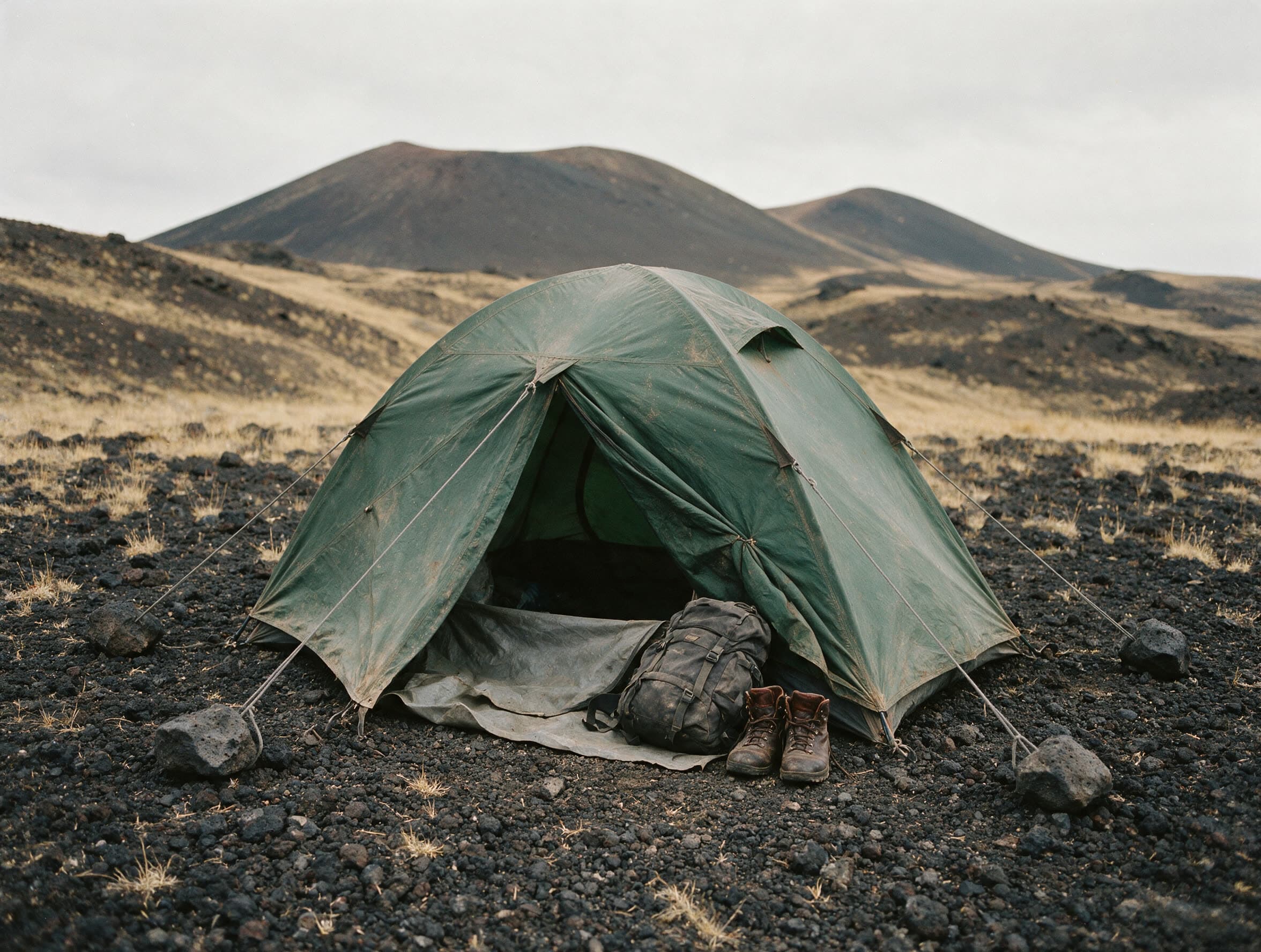
Wind, water, drainage — those three put the tent where it stands.
Sound like your kind of day?
Tell us what draws you — we'll build it into your trip or plan it on its own.