Garni Gorge & Symphony of Stones
1 day
1,800 m
Limestone in Vayots Dzor, on a rope.
At a glance
Every route is put together differently — we work out the price once you ask.
Fitness
Grip strength and core help; legs and patience matter more. The walk-in is short but stony.
Why these months
From December to March we advise against it: wet and frozen limestone breaks more easily, frost loosens holds, and nobody climbs safely with cold fingers.
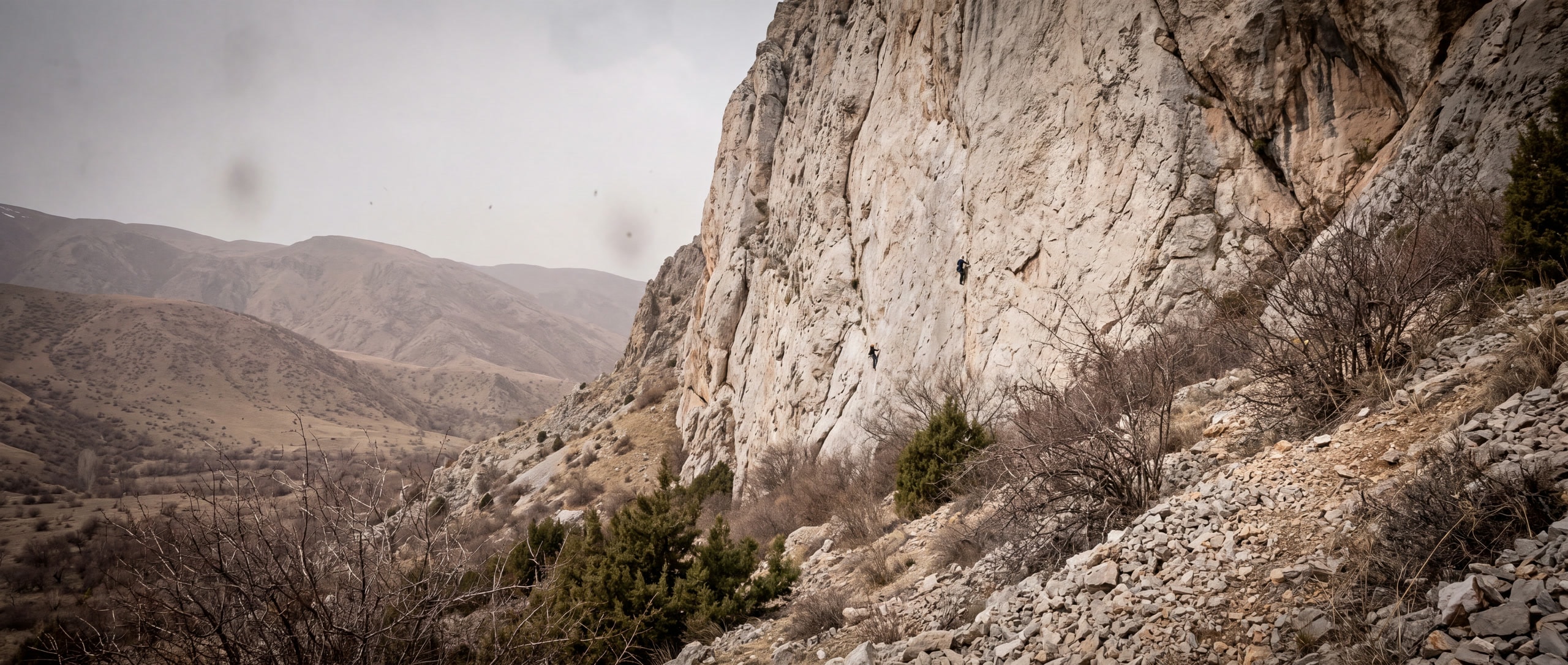
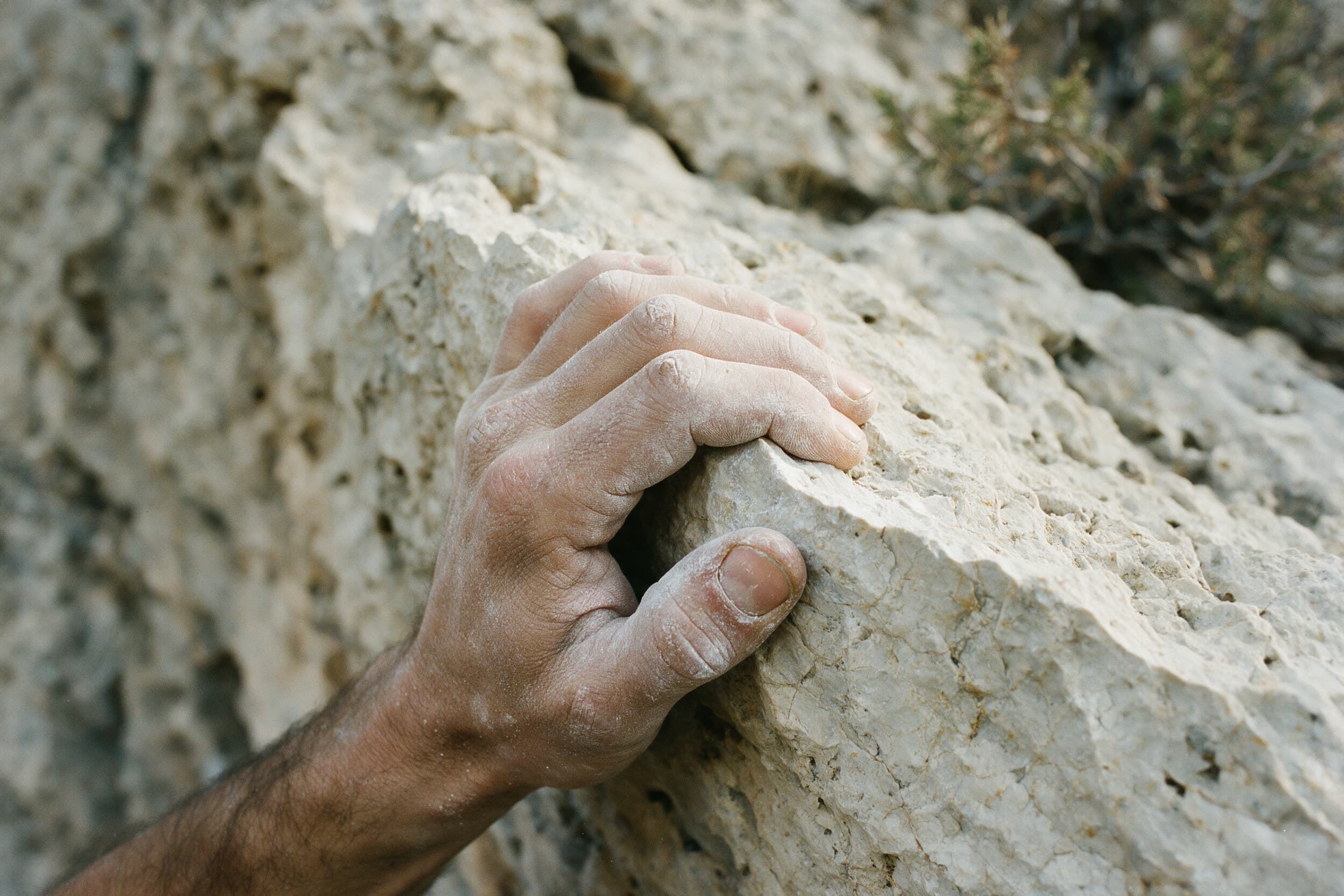
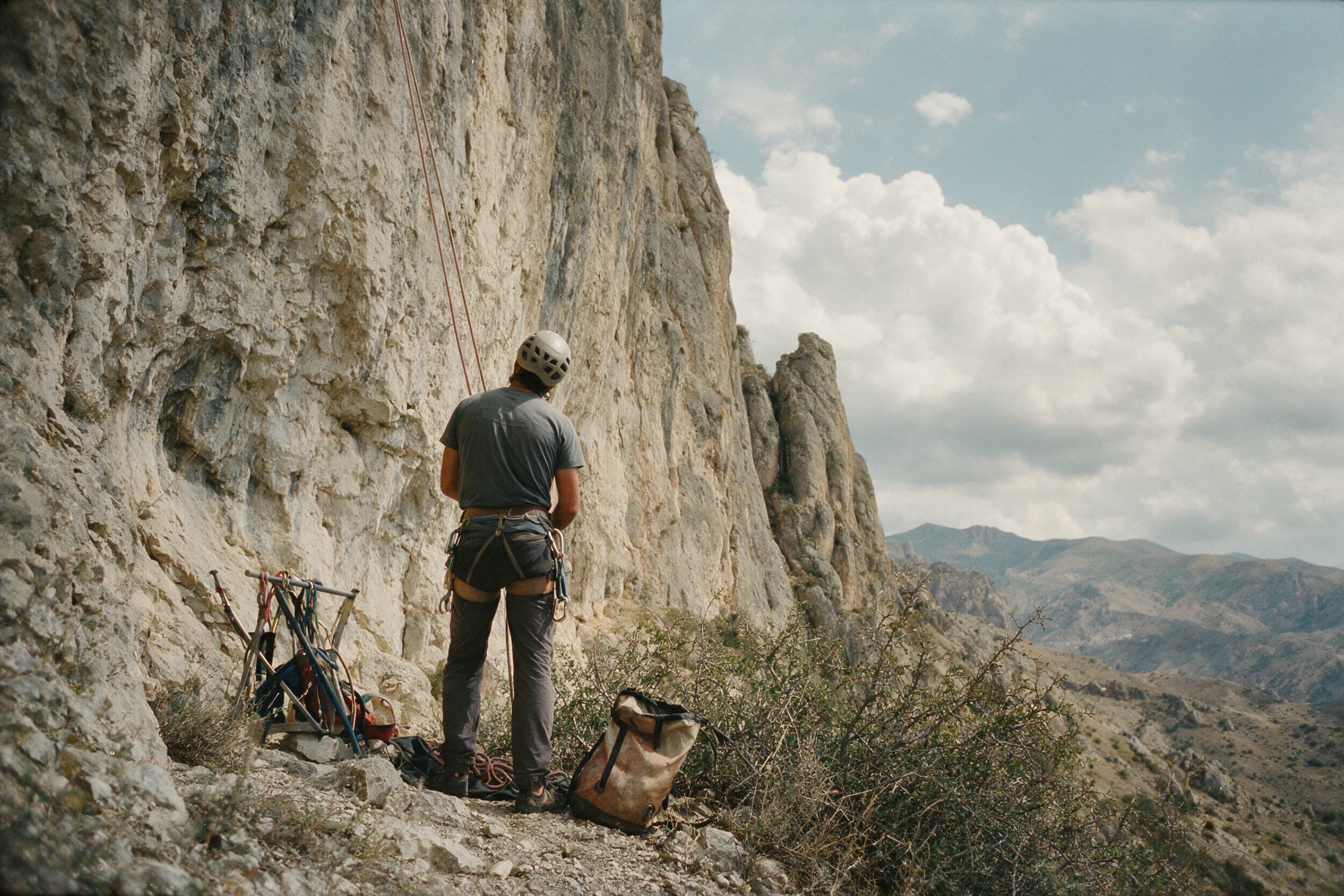
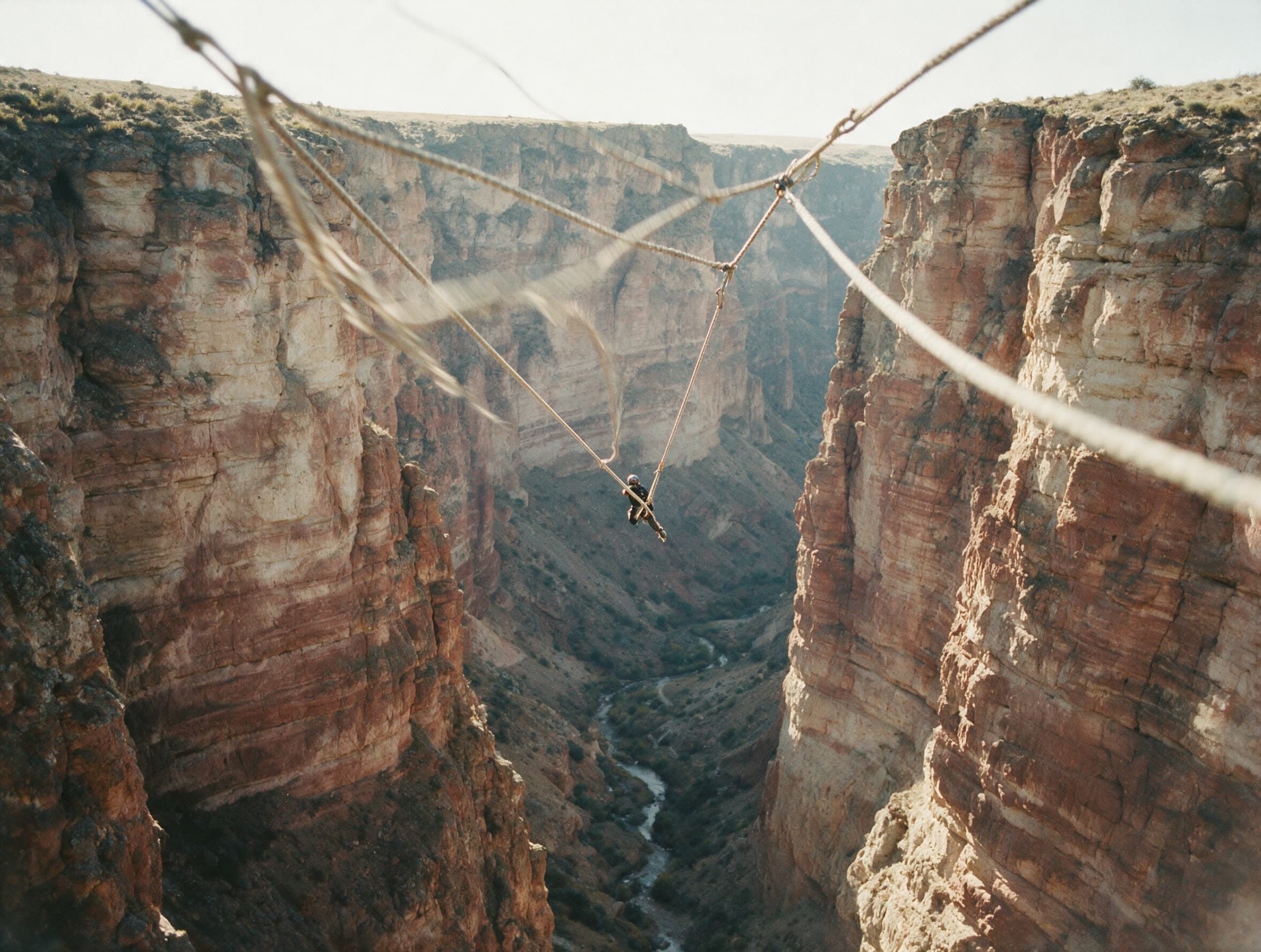
Vayots Dzor is limestone country, and limestone climbs well: positive, sharp-edged, full of pockets and edges you cannot see from below. The walls stand above dry valleys, with scree and thorn scrub at the base and hazy hills behind.
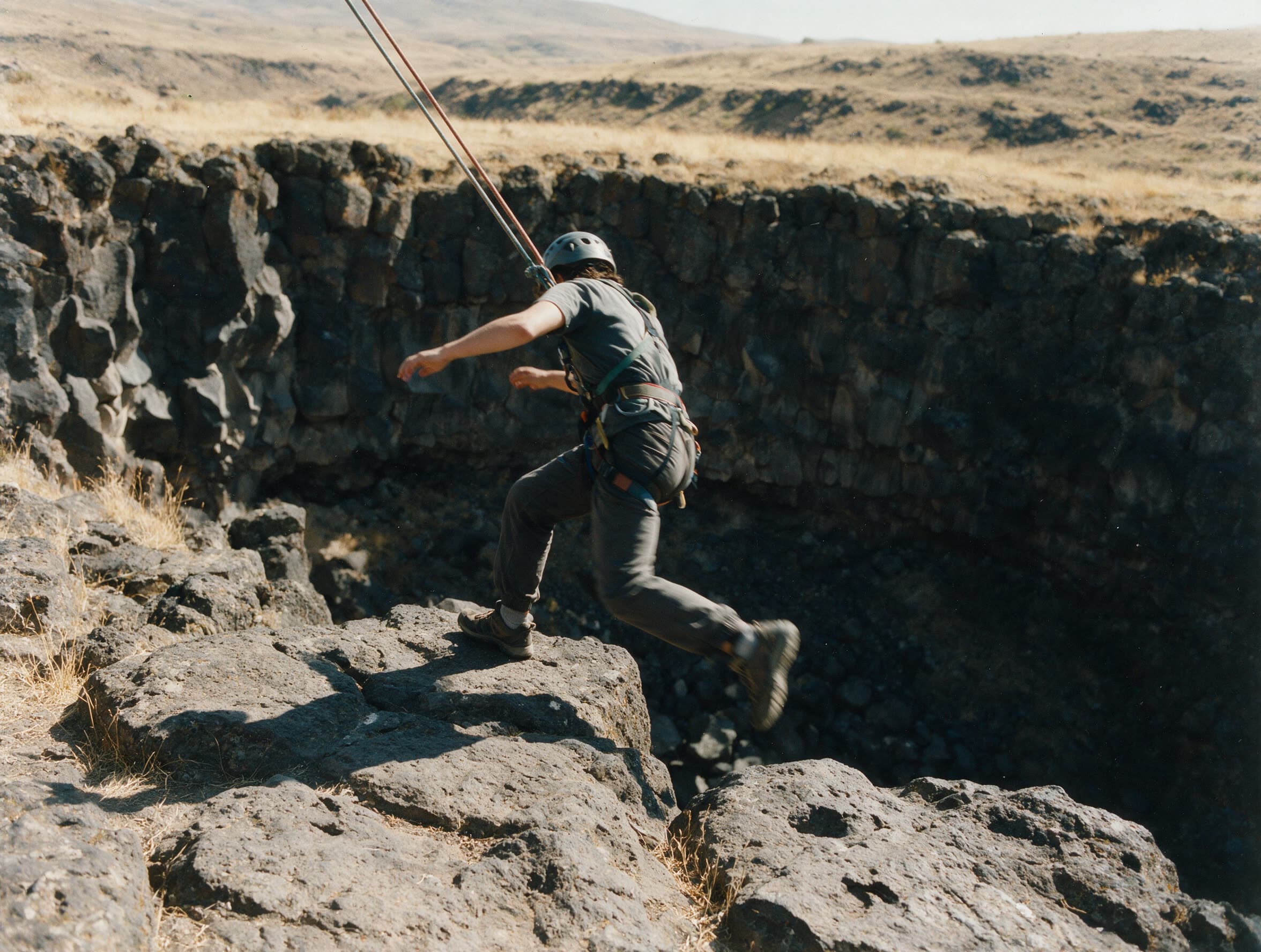
Climbing is on a rope, belayed from the ground, with experienced instructors at the wall. For beginners that means: you climb, someone holds you, and if you let go nothing happens beyond hanging in your harness. That experience is the real content of the first day. Everything else — technique, footwork, choosing holds — comes afterwards and goes faster than most people expect.
For experienced climbers there are routes that ask something. What there is not is a guidebook on every corner or phone signal at the base. Anyone coming from alpine areas will notice the quiet: on most days nobody is there but your own group.
The rock is sharp. Hands get rough, knees get scraped, and anyone in thin trousers will understand by evening why long ones are recommended. Helmets are mandatory, and the reason is falling rock: limestone breaks, and what gets kicked loose above arrives below.
We climb in the morning and the late afternoon. Between eleven and three in July and August the sun sits on the wall in a way that makes rock and holds hot. At that time of year people stop earlier than they meant to.
Bring more water than you think you need, and long trousers. Depending on the sector the walk-in takes ten to thirty minutes over scree and thorn scrub — in shorts you will still feel it that evening.
Half a day is the usual unit. Forearms rarely last longer, and that applies to people who know better too.
We do not climb on wet limestone — it turns slick and breaks more easily. With rain forecast we start earlier or postpone; in a thunderstorm the wall is the worst place for miles and we clear it at once.
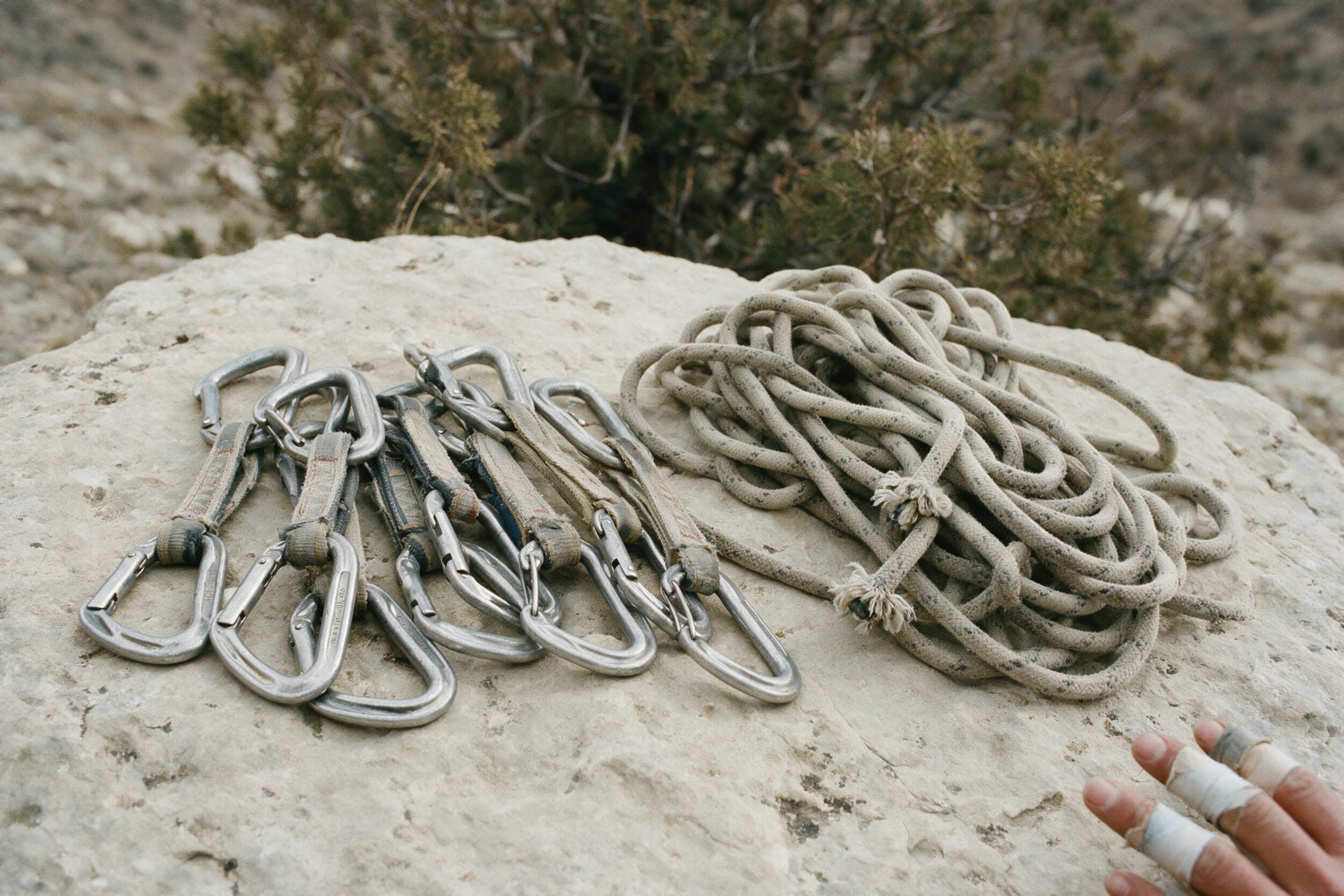
Helmets for everyone, including at the base: rockfall is the more common hazard in limestone. Belaying is done by experienced instructors, with a partner check before every start and knots and locking carabiners verified out loud. Anyone who has had enough is lowered — stopping is part of the plan, not a failure of it.
Every one of our expeditions can be extended with this experience — just say so in your inquiry.
Sound like your kind of day?
Tell us what draws you — we'll build it into your trip or plan it on its own.