Explorer
South Expedition Compact
4 days
2,350 m
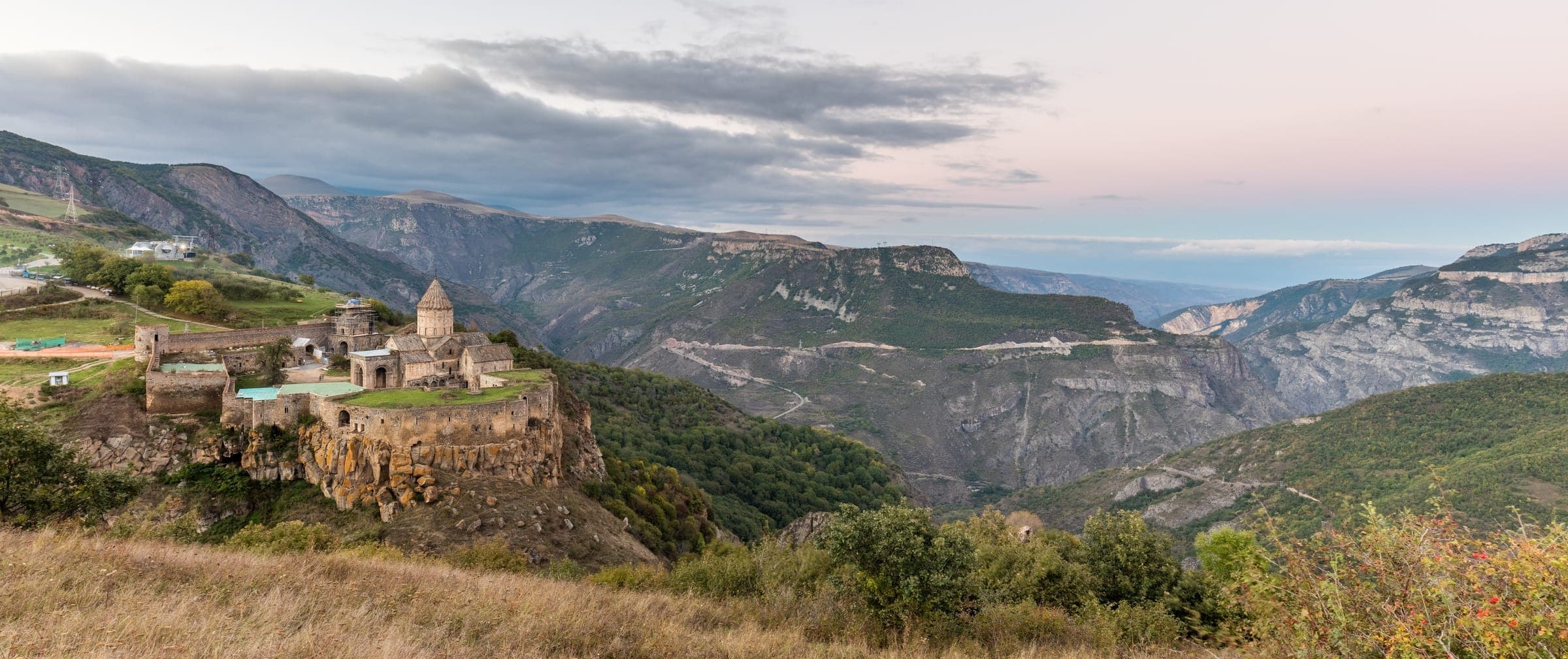
Here, two passes are rarely more than forty kilometres apart.
At a glance
Every route is put together differently — we work out the price once you ask.
Fitness
Six hours in the saddle on poor surfaces asks more of you than the same time on European back roads.
Why these months
From November to April we advise against it: the passes hold snow or loose grit, salt and frost make the surface unpredictable, and many pass roads stay closed for weeks.
Driving experience
Riding gravel confidently and standing on the pegs is a requirement, not a bonus.
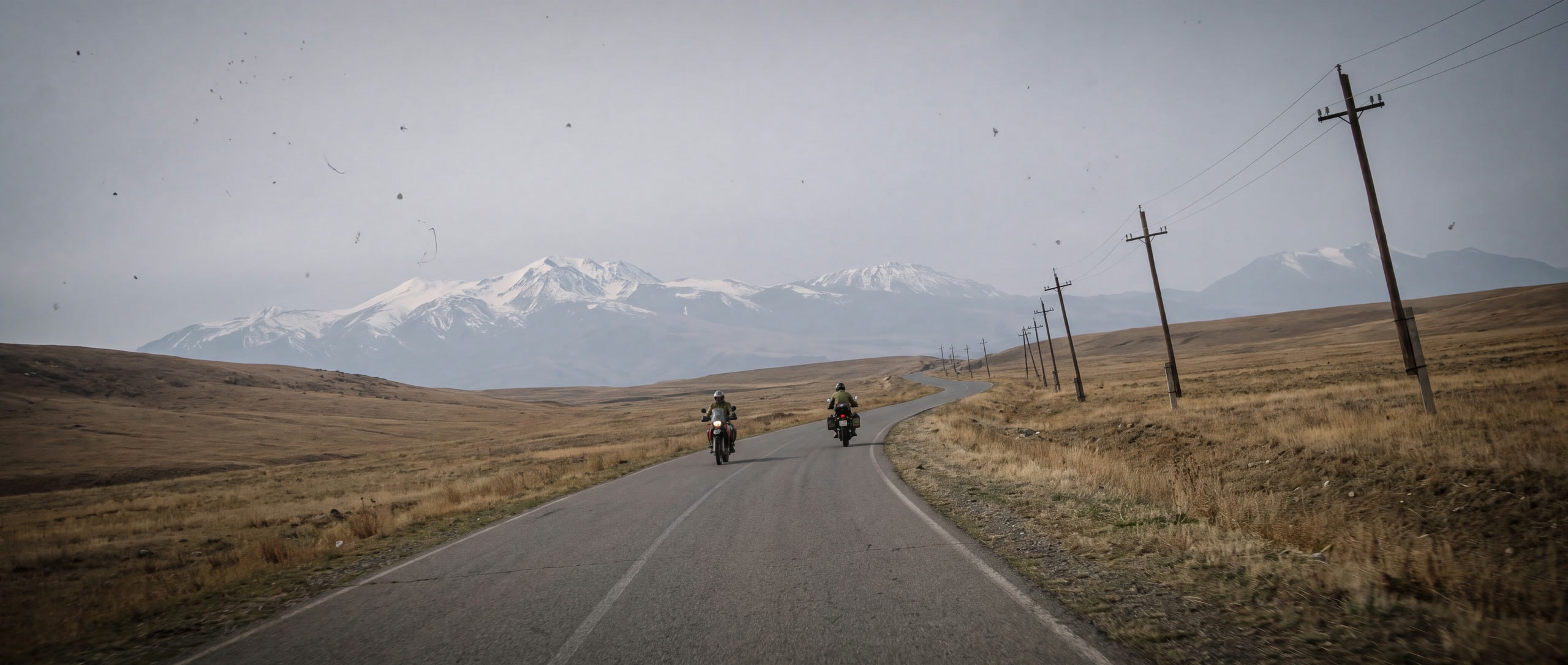
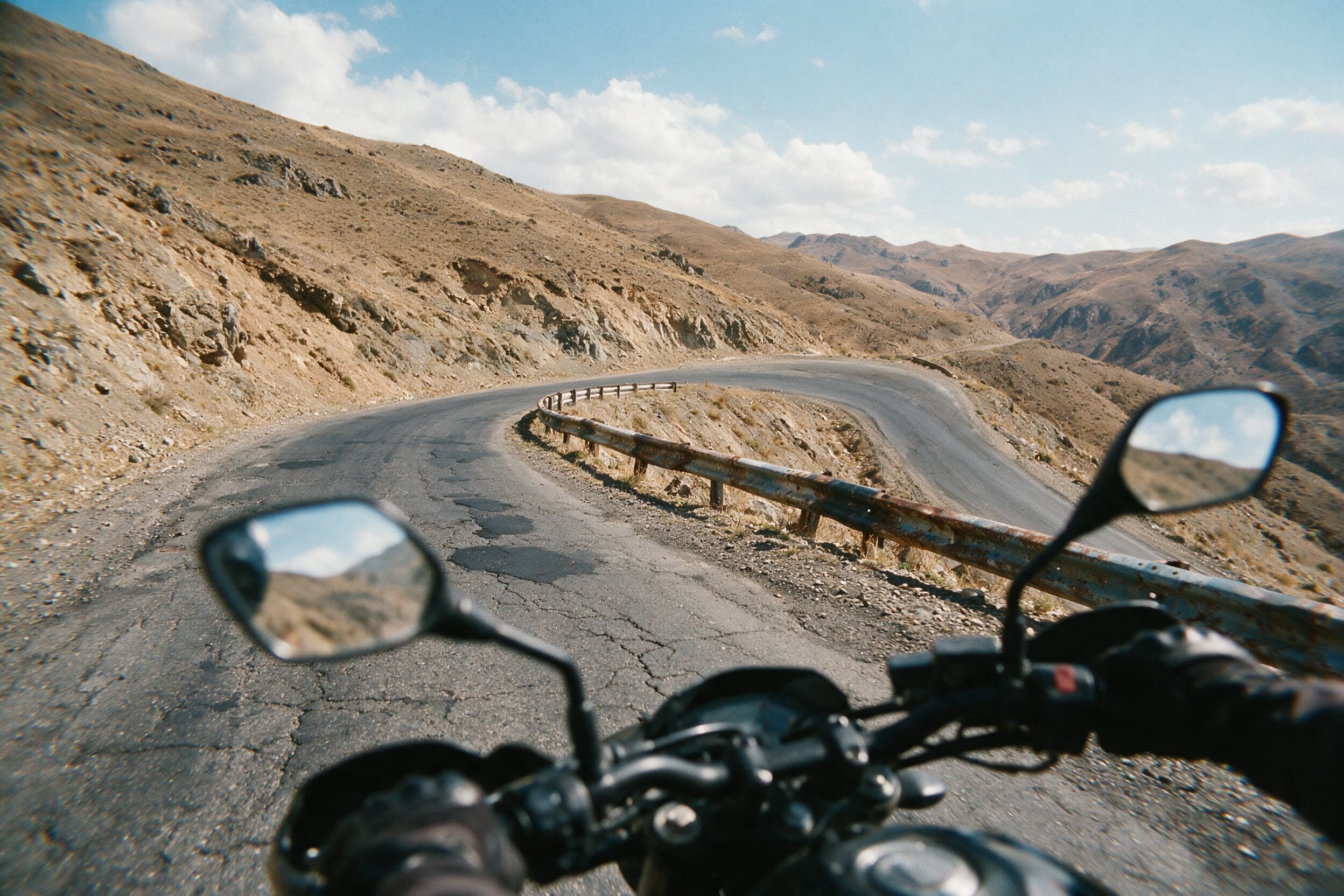
Armenia is no country for motorways, which is exactly why it is one for motorcycles. Two passes are rarely more than forty kilometres apart, the surface switches from fresh tarmac to broken concrete without warning, and behind every village there is a corner you do not see coming.
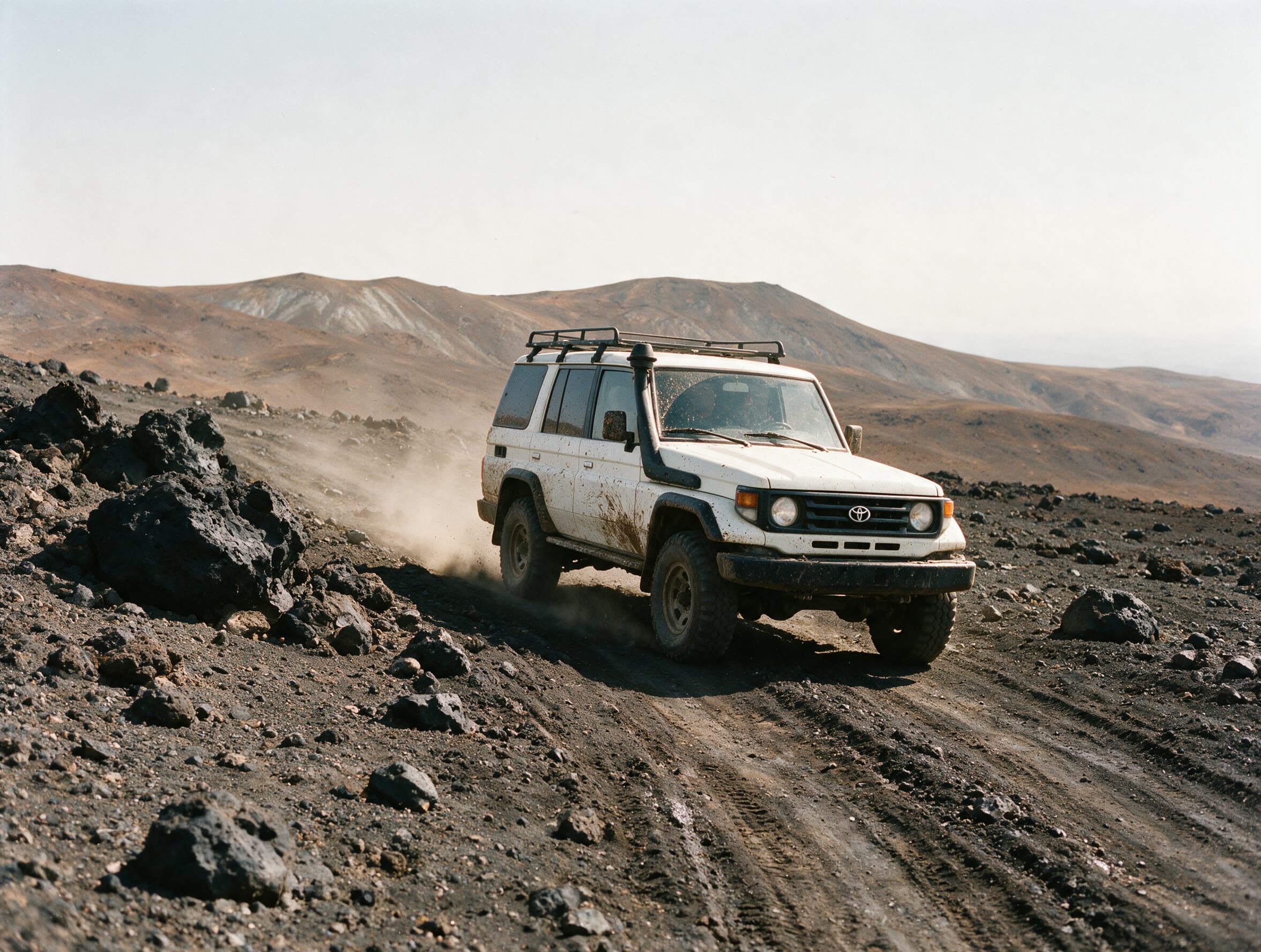
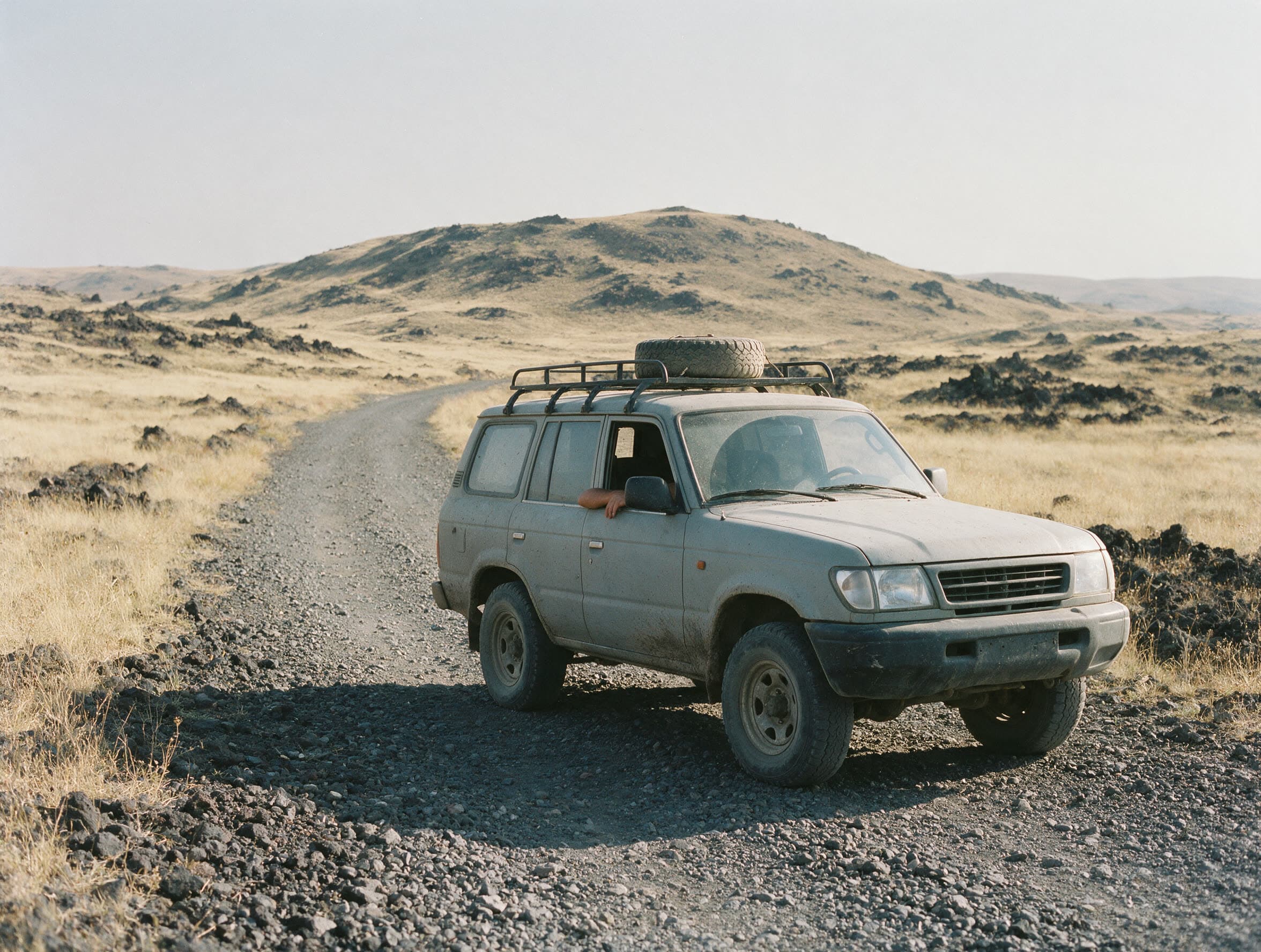
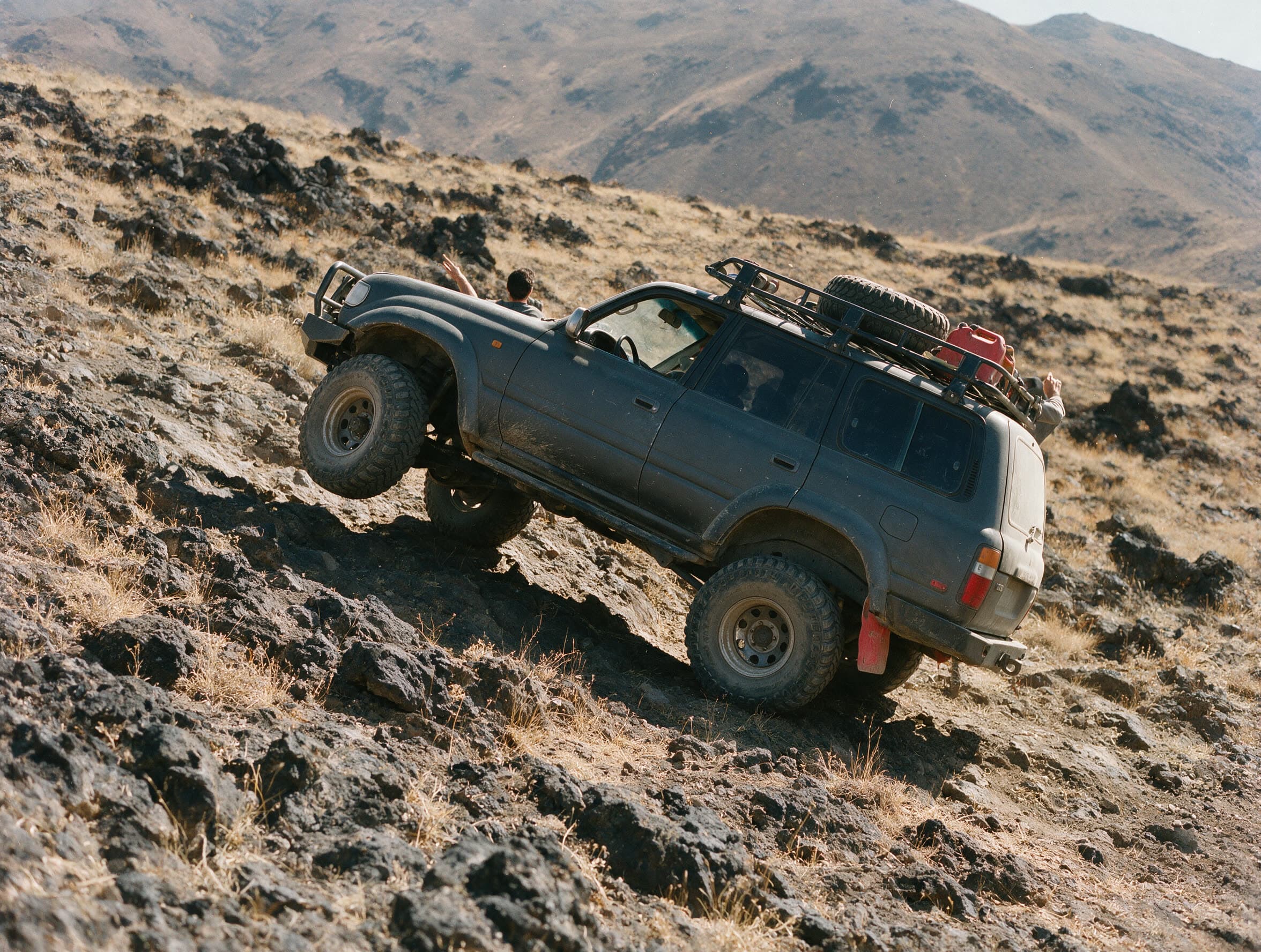
You ride guided, in a small group. A support vehicle carries luggage, tools and the spare parts you will not find in a mountain village. That changes the character of the trip: you ride a light bike instead of a loaded one, and if a day is not going well there is a seat in the car.
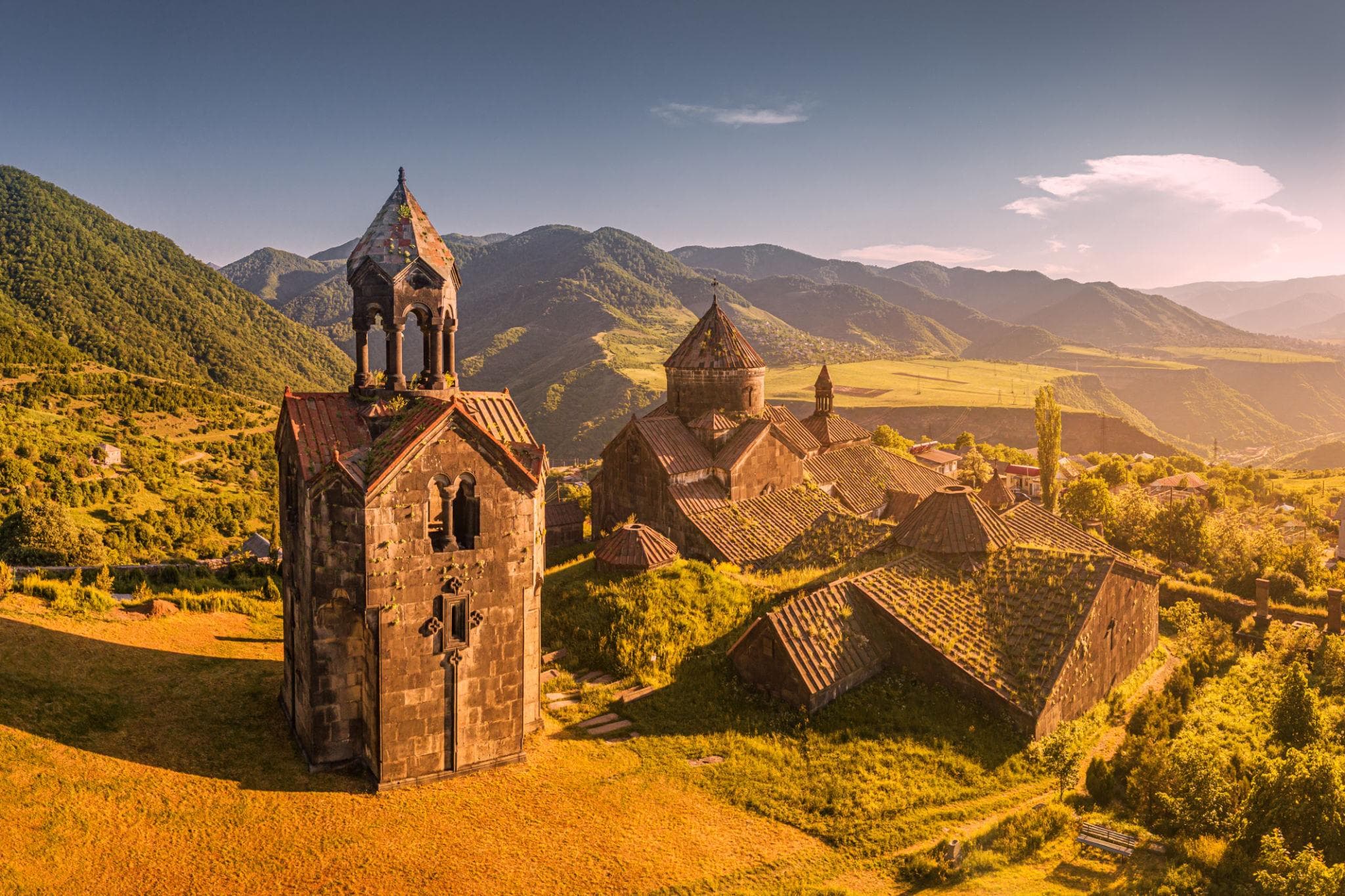
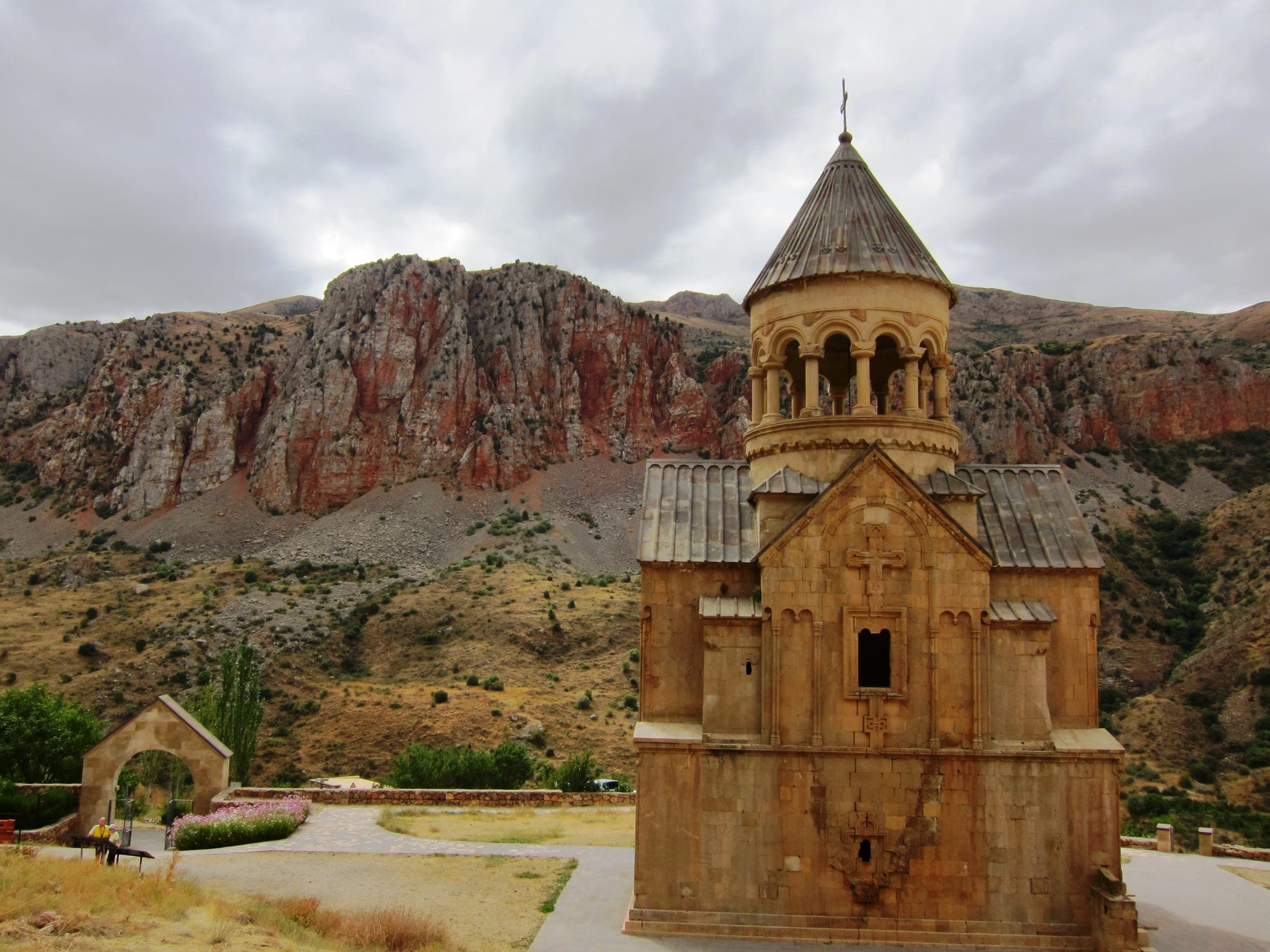
Stages are kept short. Two to three hundred kilometres sounds modest and is not, here. There is a lot of stopping, because something always comes up: a monastery above the road, a shepherd with four hundred sheep, roadworks with no diversion.
What the country does not hand you is road condition. Potholes do not sit at the edge, they sit on the racing line. Cows stand on main roads too, dogs set off without warning, and oncoming traffic likes to overtake in corners. So we do not ride at night, and on every stage one rule holds: ride within your sight line, always.
Routes change with the weather and the roadworks. What was a good pass road yesterday can be a gravel track today, and you find that out on arrival. Say so when booking if you only want tarmac — then we build the route accordingly.
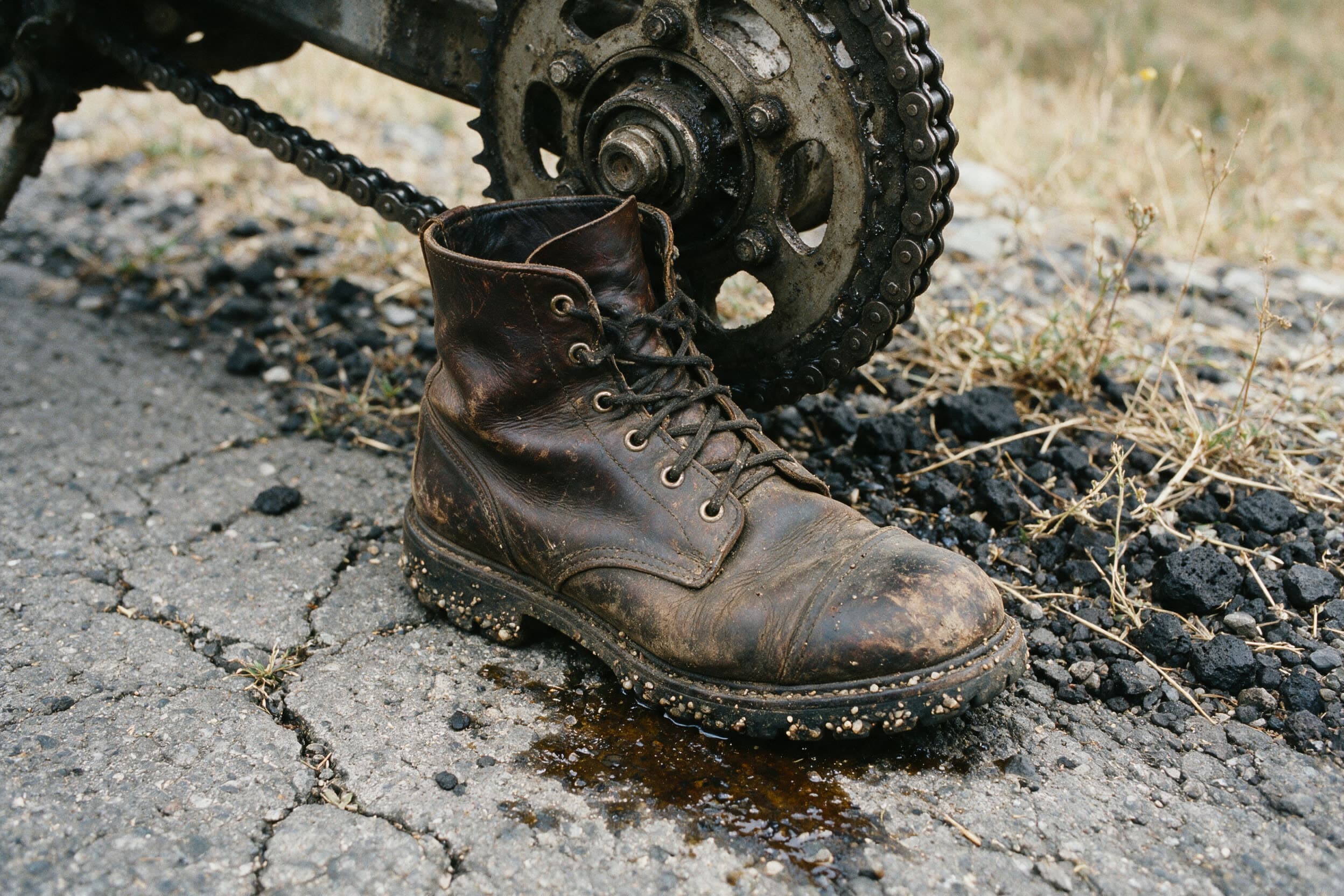
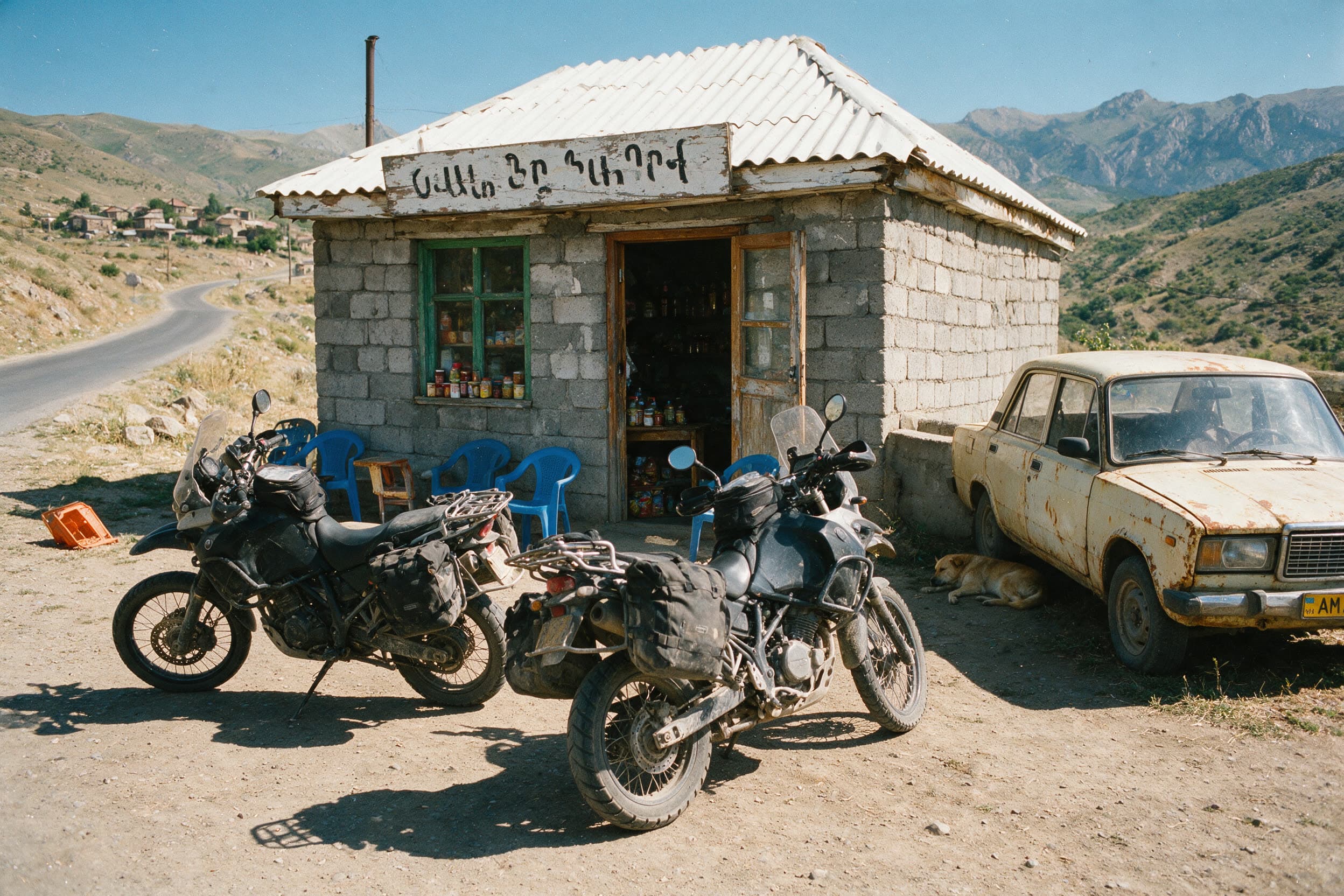
Nights are spent in guesthouses and small hotels, often in the same village where the bikes stand outside the door in the evening. Tools and spares travel in the support vehicle, but anyone who can tension a chain themselves will end up doing it here.
And then somebody is standing in the yard in the evening wanting to know what the bike cost. Those conversations run twenty minutes, work through hands and numbers rather than language, and they are one reason we keep the stages short.
Rain on pass roads means wet leaves, loose grit and poor visibility — we shorten the stage instead of pushing it through. In hail or a thunderstorm we stop and wait.
A support vehicle on every stage, first-aid kit and tools on board. A guide rides in front, the vehicle stays at the back, nobody rides alone. We do not ride at night: unlit vehicles and livestock on the road are the biggest risk in the country.
Every one of our expeditions can be extended with this experience — just say so in your inquiry.
Sound like your kind of day?
Tell us what draws you — we'll build it into your trip or plan it on its own.