Frontier
Syunik Wilderness Expedition
7 days
3,300 m
Syunik — At 2,666 metres, hard against the unsettled border with Azerbaijan, lies a cold, clear lake that almost no one in Armenia ever reaches — the payoff at the end of a long haul over broken highland track, where the country itself simply runs out.
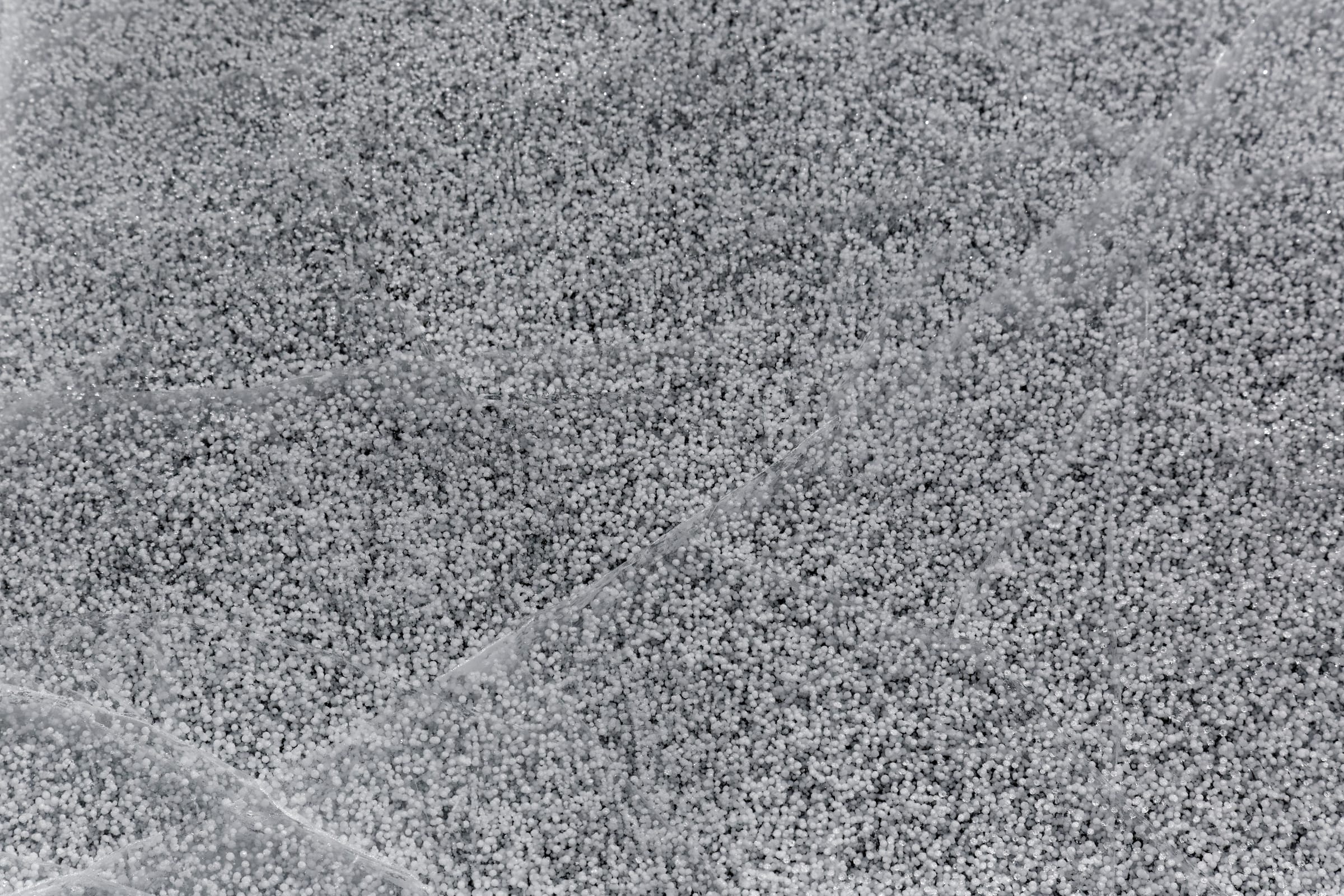
Long, rough gravel tracks carry you up through marshy highland until, at 2,666 metres, the lake opens in front of you — Sev Lich, the Black Lake, at the foot of Mets Ishkhanasar. The water is dark and motionless, the wind comes sharp across the open land. Up here Armenia almost runs out: the border with Azerbaijan lies close, and besides you there is no one.
Sev Lich sits in the far south of Syunik, at the foot of Mets Ishkhanasar, the highest massif in the region. It is a small, high lake — a single sheet of water, roughly 7.5 metres at its deepest, on an open plateau near the country's eastern rim. The reserve around it has been protected since 1987, and the water holds one prized fish, the ishkhan trout. There is nothing built here: no road sign, no kiosk, no shelter, and over long stretches of the approach, no phone signal. The lake is the whole destination, and getting to it is most of what the day consists of.
Offroad & access
Factor 4 of 5: long, coarse gravel tracks climb to the plateau below Mets Ishkhanasar, and single sections soften to bog after rain. We lead you in convoy with four-wheel drive, low range and ground clearance, and the lead guide knows the line — the last stage takes its time, with no mobile signal over long stretches. We run satellite communication and a fuel reserve so the remoteness never turns into a risk.
The last of it comes slowly. The track climbs onto a high, boggy plateau where the ground softens underwheel and the horizon stays empty, and then the lake is simply there in front of you — dark, motionless, the wind coming hard and cold off the water. There is no shoreline path and no marker; you arrive, and that is all.
Sev Lich lies at 2,666 metres and runs about 7.5 metres deep at most — clear, cold and small. It has been a protected reserve since 1987, and it sits directly on the unresolved border with Azerbaijan, so where Armenia ends and the lake's far shore begins is, on the map, still an open question. Its one inhabitant of note is the ishkhan, a salmon trout suited to this cold. Best season is a narrow June to October; for the rest of the year the highland is shut by snow.
Sev Lich means simply "Black Lake" — sev, black; lich, lake — and the massif above it, Mets Ishkhanasar, means the "great mountain of the prince." The names are older than any record of who first climbed to the water. On the slopes around the lake, petroglyphs pecked into the rock reach back to the fourth millennium BC: hunters, animals and sun-signs, part of the same highland tradition of rock art found across southern Armenia.
The recent history is harder. The border here has never been formally fixed, and in May 2021 Azerbaijani units advanced as far as the lake itself, putting Sev Lich briefly at the centre of the dispute over where the two countries actually divide. The line remains unsettled, which is why the security situation, not the road, decides whether the lake can be reached in any given season.
No story of its own has come down about the lake — no water-spirit, no drowned village, none of the tales that usually gather around remote mountain water. What the place carries instead is in its language. The ishkhan trout that lives in the cold here shares its name with the mountain above: ishkhan means "prince," and the fish has long been counted the noblest in the Armenian highlands, once a fish fit for a ruler's table.
So the tradition around Sev Lich is not a legend but a lineage of names — prince-mountain, prince-fish — the sense that this high, hard-won water is somehow the aristocrat among Armenia's lakes. It is the kind of meaning a place earns by being difficult: nothing dramatic is told about Sev Lich because almost no one has ever been there to tell it.
What you get for the effort is singular. On the slopes lie rock carvings thousands of years old — older than any track to the lake, and older than most of what a traveller in Armenia will otherwise see. The season is unforgiving: June to October and no longer, which keeps even the handful who could make it away for most of the year. And the water is not just scenery — it holds the ishkhan, the "prince" of the highland lakes, a salmon trout that lends the place a quiet prestige out of all proportion to its size. Standing on the shore, with the mass of Mets Ishkhanasar above and the plateau falling away on every side, you understand what the day has bought: a shore that looks the way it did when those carvings were cut, held that way by nothing more than how far it is from everything else.
The highland around Sev Lich is open only from June to October; outside that window snow and mud close the tracks. Getting there is a serious off-road day — long, coarse gravel and stretches of bog that need four-wheel drive, low range and ground clearance, run in convoy rather than solo. Over much of the route there is no mobile signal, so we carry satellite communication and a fuel reserve. The larger variable is the border: it is undefined and sensitive here, so we check the current security situation before every departure and only run the trip when the situation allows.
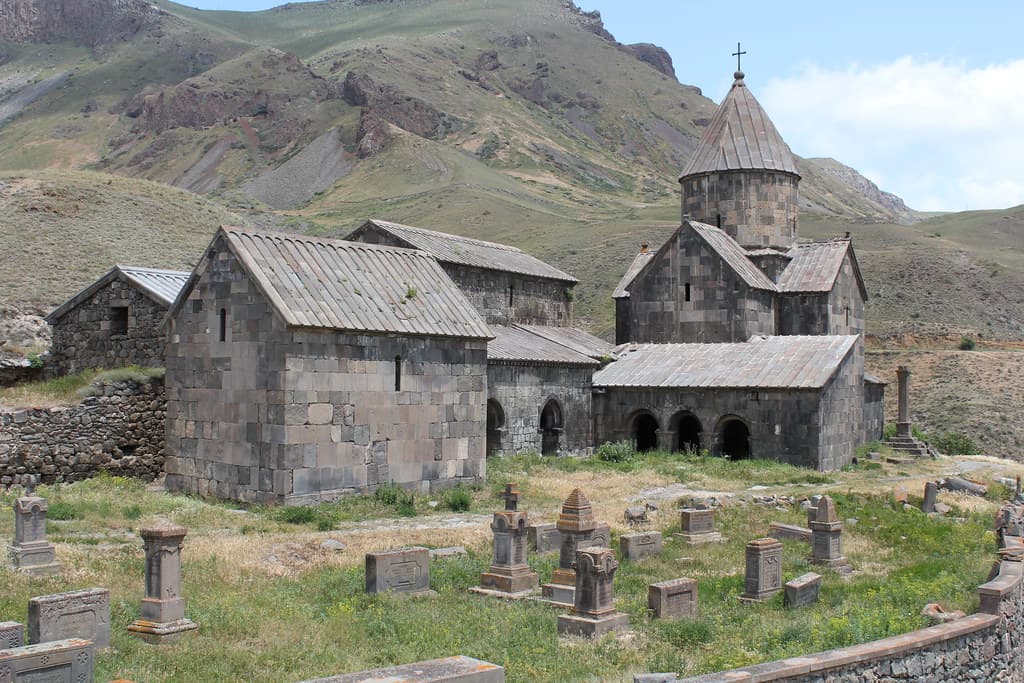
SyunikMonastery
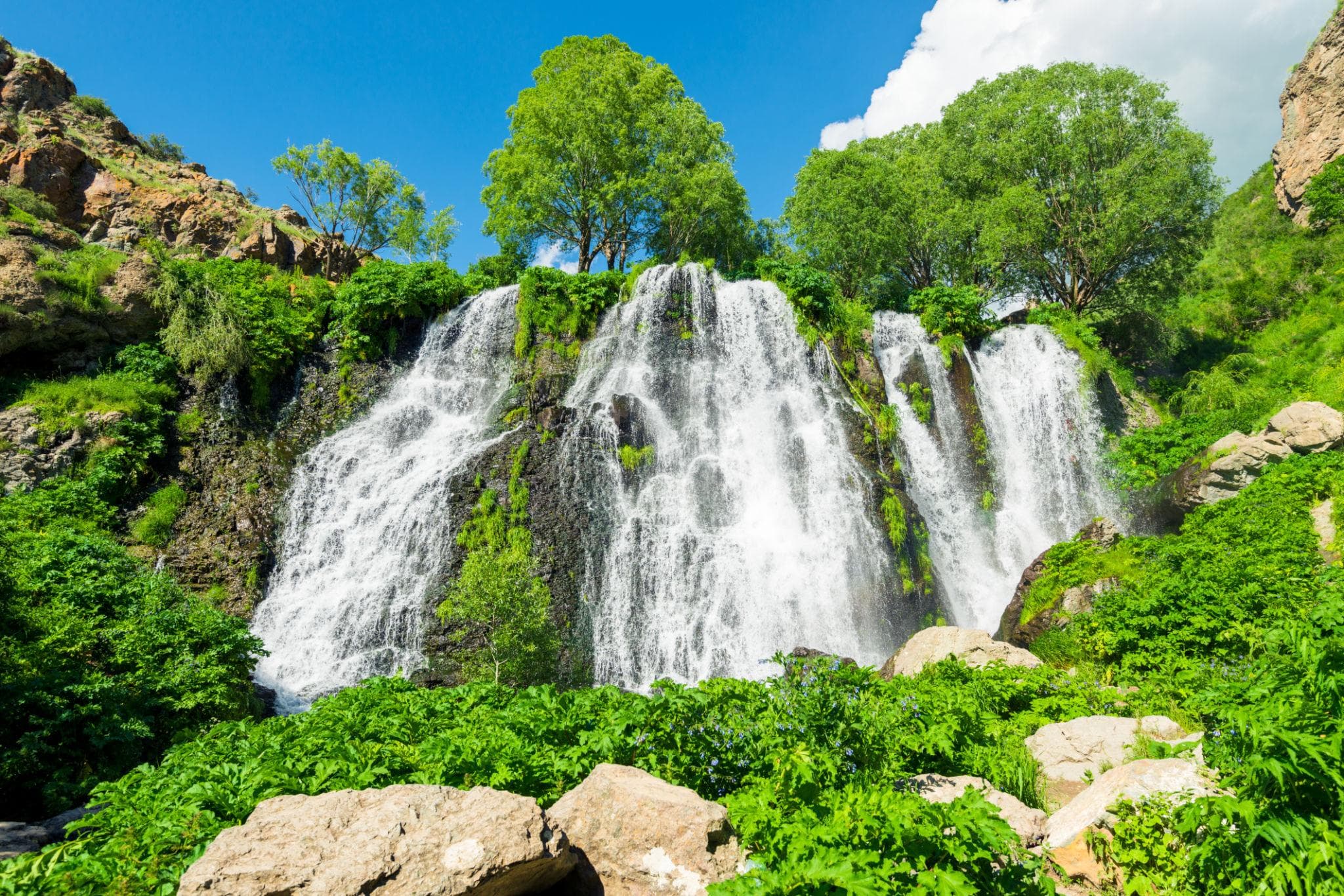
near Sisian, SyunikNature
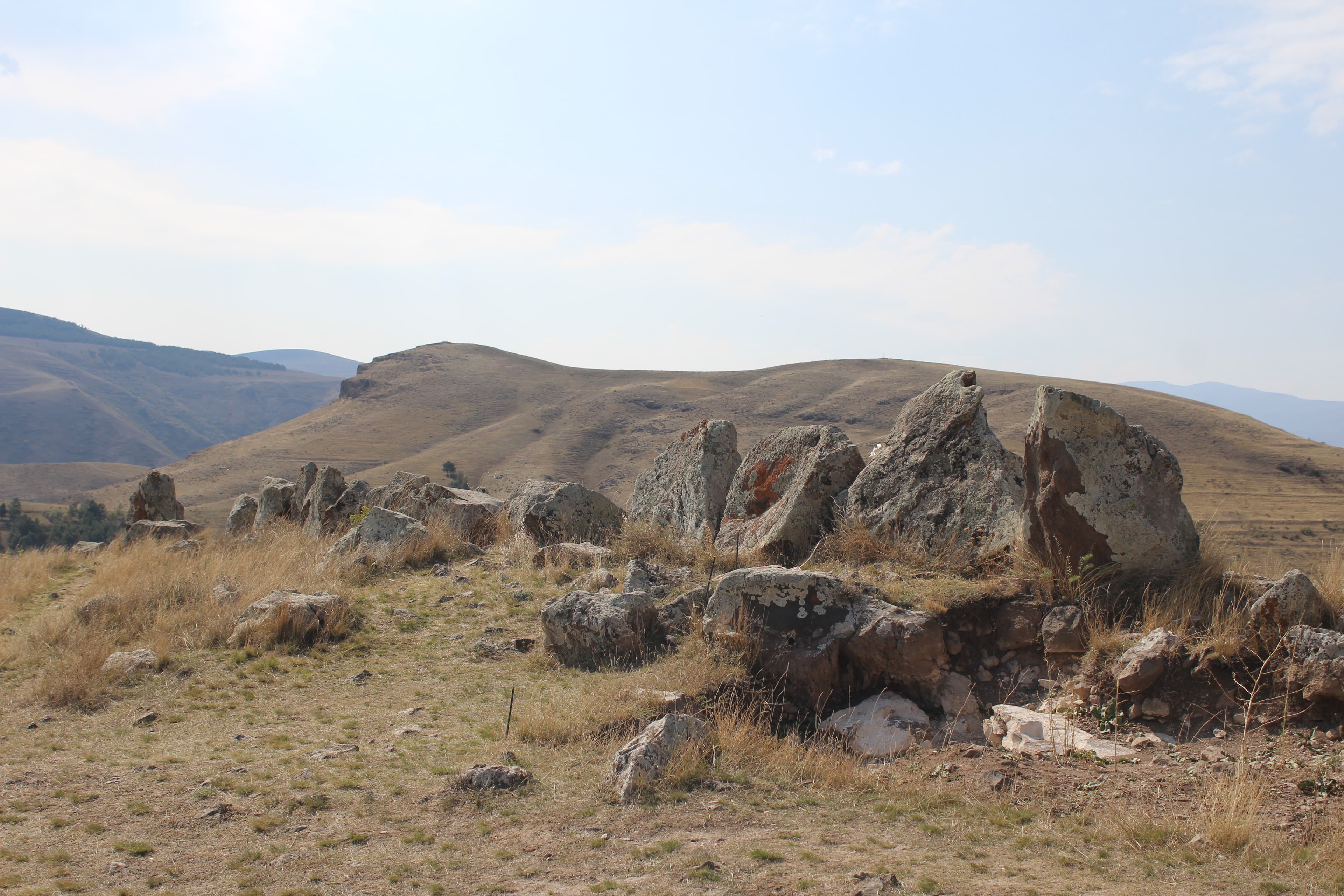
near Sisian, SyunikArchaeology
Want to reach Sev Lich at 2,666 metres yourself? Armenia Expeditions takes you with an experienced 4x4 escort over the highland tracks at Mets Ishkhanasar to this remote lake, and handles the route, the vehicle and the current security situation. One message — we’ll plan the rest.