Paved UNESCO
Upper Azat valleyMonastery
Ararat — Spread across the Ararat highlands between 700 and 2,800 meters lies a forest reserve that has been protected since the 4th century—older than most European national parks by more than a thousand years.
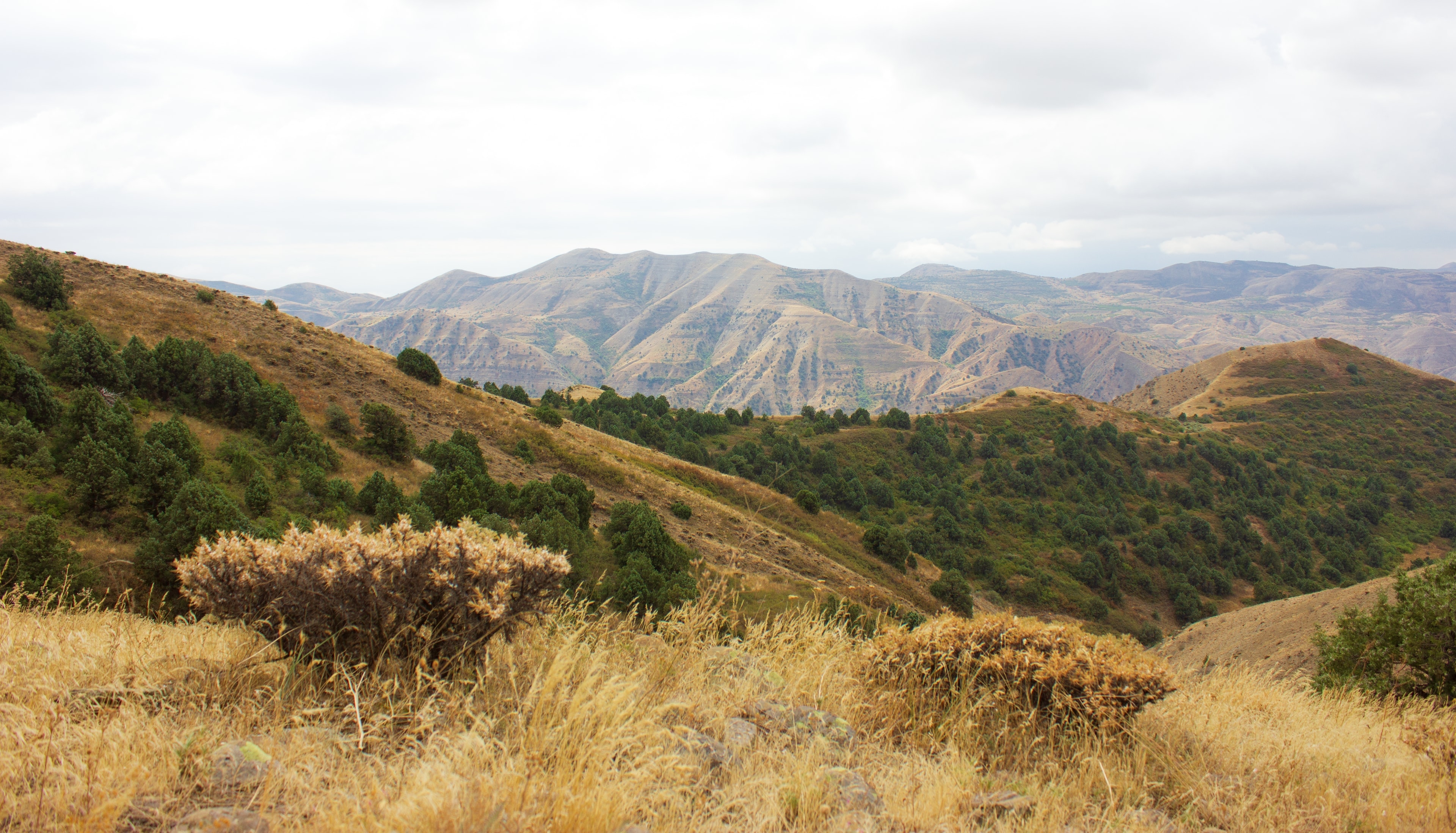
More than half of all Armenian plant life grows here, on barely one percent of the country's land. This is home to the only known breeding colony of the cinereous vulture in all of Armenia. At the waterfalls deep inside, the goddess Astghik is said to have bathed until a demon abducted her — Vahagn, the dragon-slayer, brought her back. Persian leopards still roam this land today, even if you are unlikely to see one.
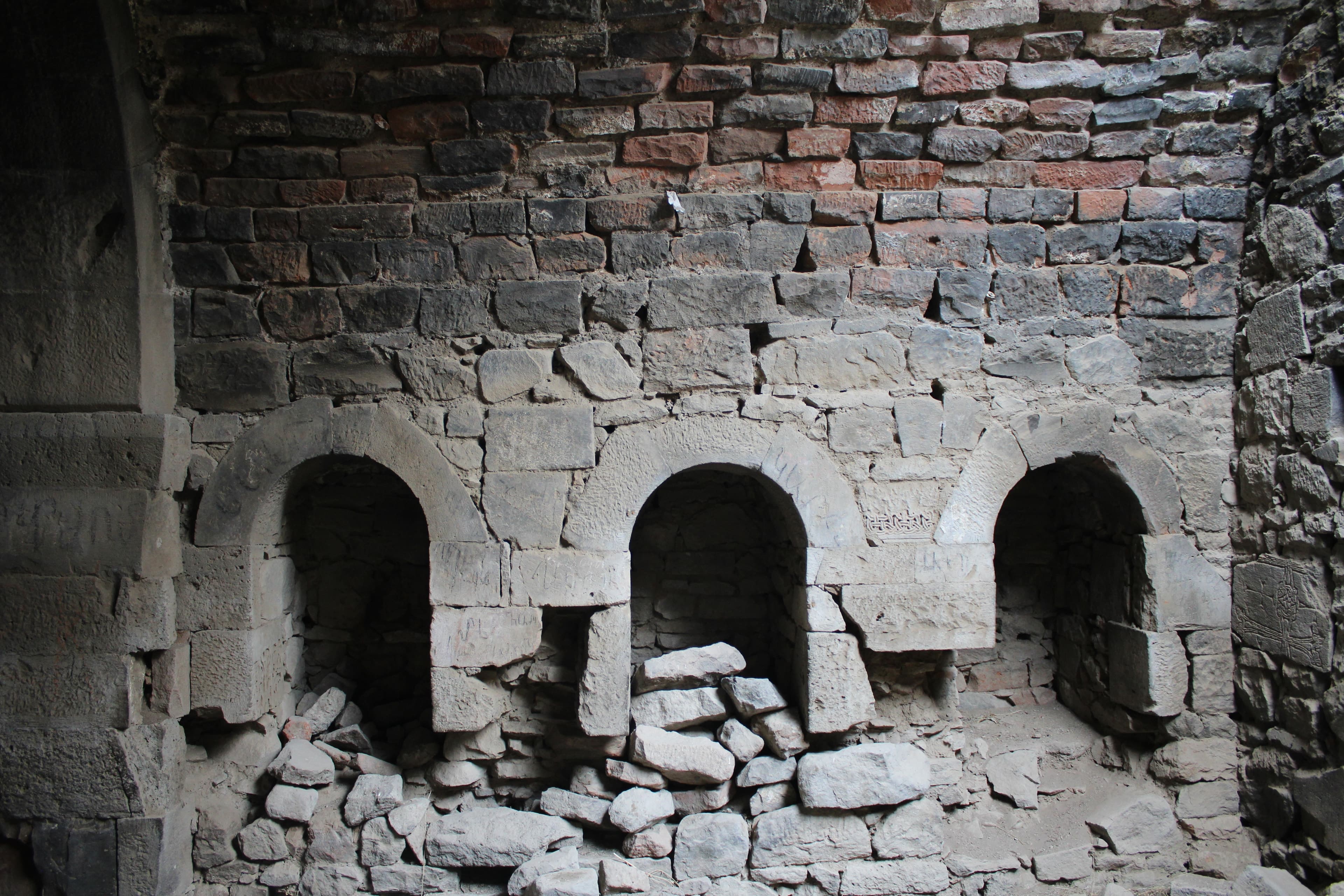
Khosrov Forest State Reserve extends across 23,213 hectares on the ridges of Gegham, Yeranos, and Yerakh mountains, southeast of Garni and Urtsadzor in the Ararat Basin. Terrain ranges from semi-desert steppe in the valley to Tertiary juniper and oak forests and high-alpine meadows above 2,500 meters. Two rivers cut through the area: the Azat (55 km) and the Vedi (58 km). The reserve shelters 1,849 vascular plant species—more than half of all Armenian flora on barely one percent of the country's land. Adding to this are 192 bird species (56 percent of Armenian avifauna), Persian leopard, Eurasian lynx, Bezoar goat, and Armenian mouflon. Within its boundaries lie 312 registered archaeological monuments: monasteries, fortresses, khachkars, and settlement remains. The Silk Road passed through this territory.
Offroad & access
Offroad factor 4 of 5. Reserve access is prohibited without valid permit and guide—entrance gates are permanently secured. With permit, tracks branch from the north entrance near Garni into the reserve interior: initially an unpaved highland track that quickly steepens and is covered with loose gravel. As progress continues, crossings of Azat system tributaries and eroded ruts appear. Elevation gain over short sections is substantial; 2–4 kilometer stretches can require 40 minutes or more across terrain. Vehicle requirements: four-wheel-drive highland vehicle with low-range gearing, minimum 220 mm ground clearance, tires suitable for gravel and wet clay. Rainy periods and snowmelt (April to mid-May) occasionally render several stream crossings impassable. Best conditions: June through September. Alternatively, hiking routes lead to Aghjots Waterfalls and Aghjots Monastery, with the first steep descent to Vahagn Waterfall across loose scree requiring significant surefootedness.
Area: 23,213.5 hectares. Elevation: 700–2,800 m. Location: Ararat Province, Gegham, Yeranos, Yerakh ridge systems. Vegetation: approximately 64% dry steppe and phrygana, 16% forest (Juniperus, Quercus), 20% shrubland. Flora: 1,849 vascular plant species, including 24 endemics, 31 rare species. Fauna: 283 vertebrate species, over 1,500 invertebrates, 66 endangered animal species. Notable fauna: Persian leopard, Eurasian lynx, Syrian brown bear, Bezoar goat, Armenian mouflon. Birds: 192 species; sole known breeding colony of Cinereous Vulture (Aegypius monachus) in Armenia. Archaeology: 312 registered monuments, including 29 churches and monasteries, 222 khachkars, Kakavaberd fortress. Havuts Tar Monastery (11th century), Aghjots Monastery. Protection status: IUCN Category Ia (strict nature reserve). Award: European Diploma for Protected Areas, 2013. State designation: September 1958 (Armenian SSR Ministry Council decree).
Armenian King Khosrov III Kotak of the Arsacid Dynasty—"Kotak" means "the Small"—designated the forest area as a royal hunting and training reserve between 334 and 338 A.D. A second traditional account holds that he did so to improve the climate near the nearby capital Artashat, which lies in the Aras valley. This makes Khosrov Reserve one of the oldest documented protected areas in the world—roughly 1,700 years old. During the Soviet period, formal state redesignation occurred in September 1958. Archaeological finds demonstrate settlement and passage long before Arsacid times: Havuts Tar Monastery arose in the 11th century; Aghjots Monastery bears apostle Peter and Paul reliefs on its outer façade. The Silk Road passed through the reserve territory, which likely explains the medieval caravanserais and monastery complexes surviving today as ruins.
According to tradition, the reserve did not always owe its protected status to royal decree alone—nature was regarded in pre-Christian times as the dwelling of gods. At the Aghjots Waterfalls, today named Vahagn and Astghik, an Armenian legend rooted in pagan tradition persists: Astghik, goddess of beauty and water, according to myth bathed beneath the waterfall each evening. When a dragon-demon abducted her, beauty and love vanished from the world. Vahagn, the dragon-slayer god of war and fire, slew the demon and freed Astghik. This tradition is documented in several regional sources and connects to the pre-Christian Armenian pantheon, widely practiced before Armenia's Christianization in 301 A.D.
The reserve combines three rare properties: one of the South Caucasus' biologically richest protected areas; an archaeological monument ensemble spanning 1,700 years of cultural history; and access restrictions that shield the territory from mass tourism. Those obtaining permits and accessing the terrain with suitable vehicles move through an area most Armenian visitors never see. The Persian leopard population—among the few surviving in the South Caucasus—is documented in the reserve, though sightings remain rare.
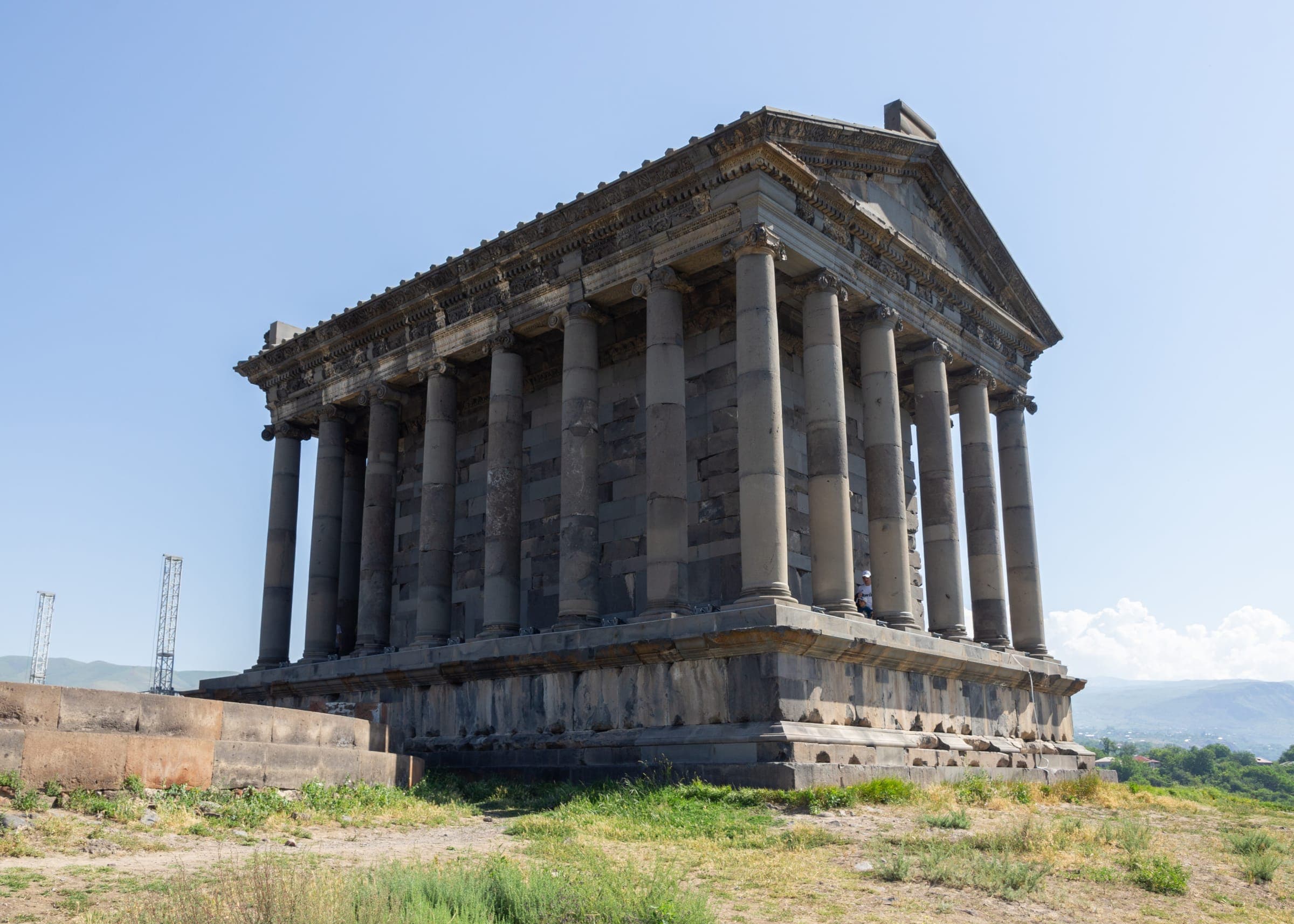
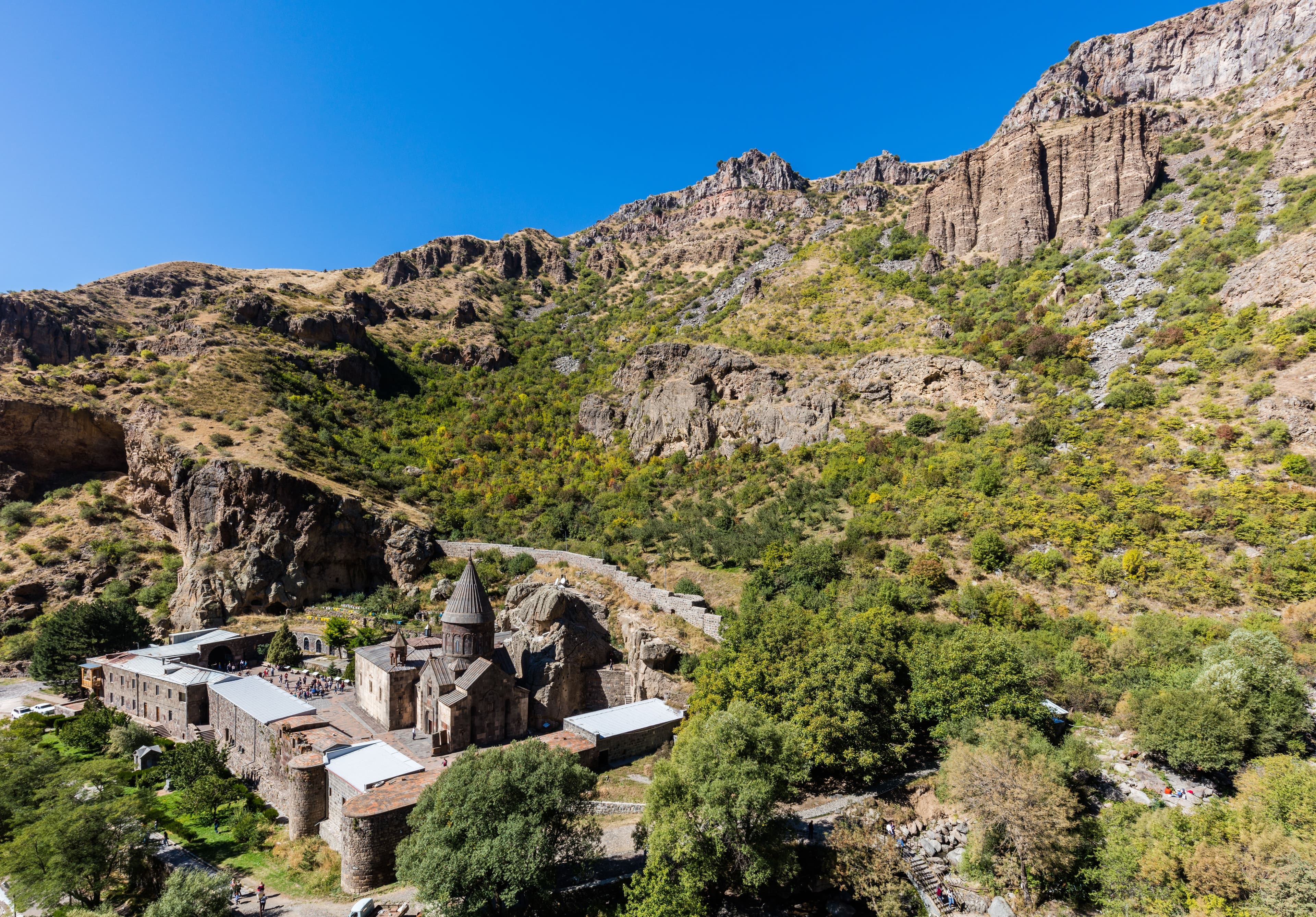
Access: Permit required, issued by Reserve Administration (SNCO "Khosrov Forest"). Organized access through licensed tour operators substantially simplifies permit acquisition. North entrance: near Garni Gorge, approximately 35 km from Yerevan. Nearest settlements: Urtsadzor, Garni. Season: May through October; best conditions June–September. Vehicle: 4x4 with low-range gearing mandatory. Hiking boots with tread for steep scree recommended. Snakes (including vipers) are present in the reserve—exercise caution on paths through grass and scree. Overnight stay: no facilities within reserve; lodging in Garni or Yerevan. Geghard Monastery and Garni Gorge lie directly adjacent to the north entrance.
Upper Azat valleyMonastery
AraratMonastery
KotaykFortress
Khosrov Forest State Reserve does not open on its own. Access requires preparation, permit, and the right vehicle. Armenia Expeditions arranges all entry permits, provides experienced local guides, and supplies suitable 4x4 vehicles so you can experience the Caucasus' oldest protected area safely and without bureaucratic hassle. One message — we’ll plan the rest.