Signature
The South: Monasteries & Wine
7 days
2,400 m
Six hours of watching for forty minutes in which something happens.
At a glance
Every route is put together differently — we work out the price once you ask.
Fitness
Short approaches, but hours of sitting and standing at whatever temperature the day brings.
Why these months
From December to February we advise against it: the access tracks into the Khosrov forest close in snow.
You have been looking at the same slope through the same scope for forty minutes, and nobody in the group has said anything. Then the guide calls a clock position — “two o’clock, above the pale band of rock” — and you need another two minutes before you see what he sees.
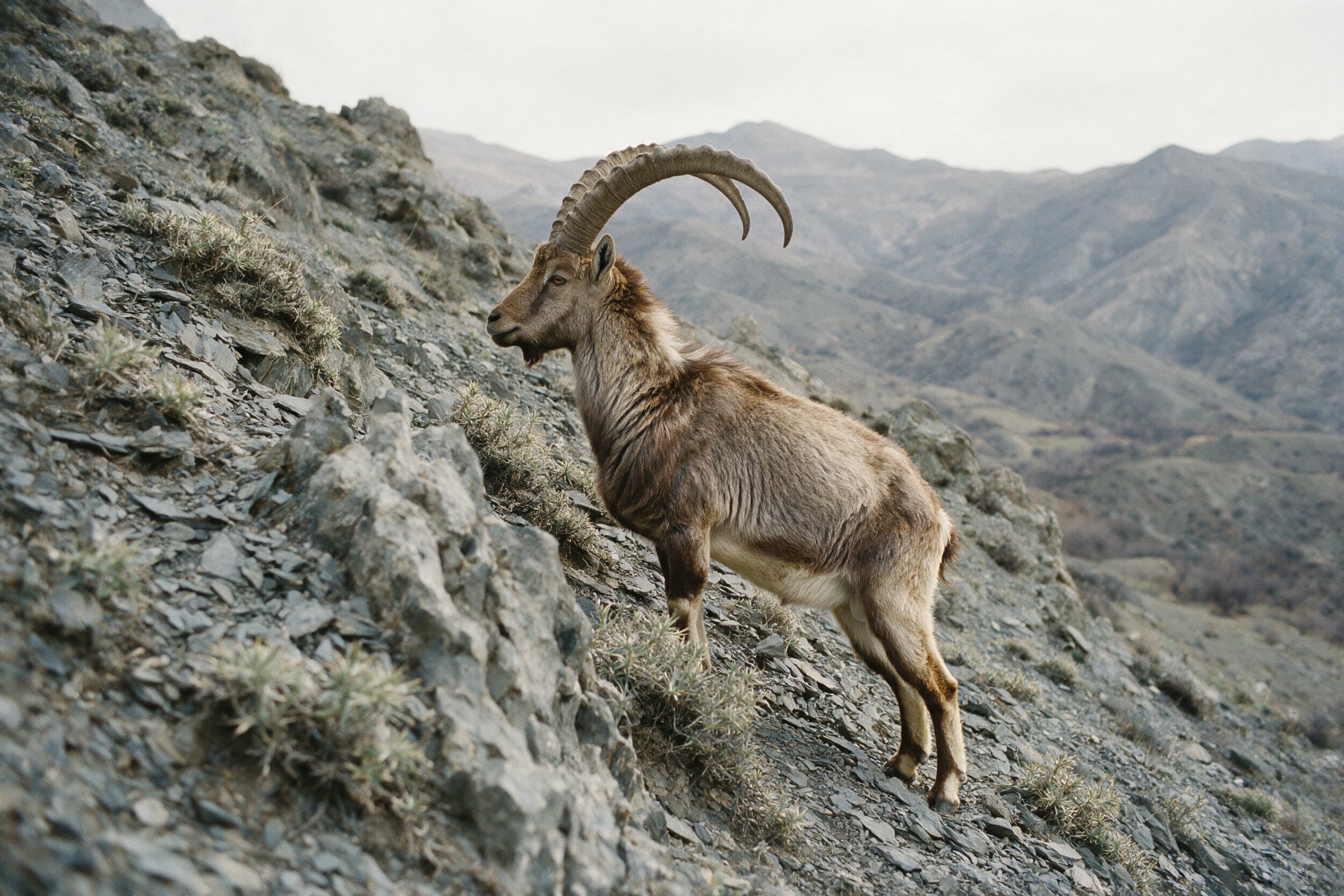
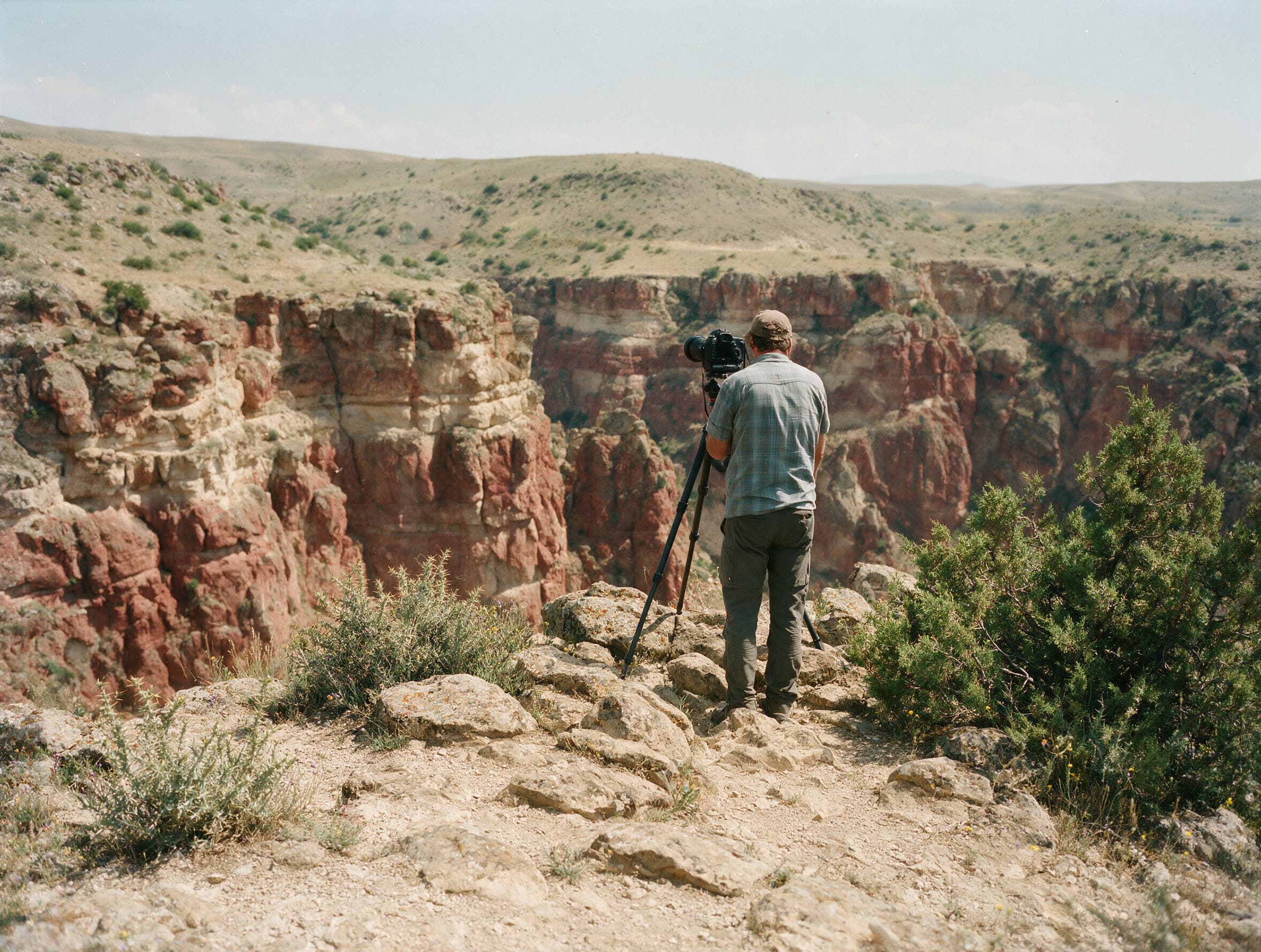
You do not find animals here by walking out and looking. You find them by sitting down before sunrise at a place from which a whole slope is visible, and working the skyline systematically. Movement stands out, colour stands out, a wrong outline stands out. A bezoar goat stands motionless for twenty minutes and is a rock for that whole time.
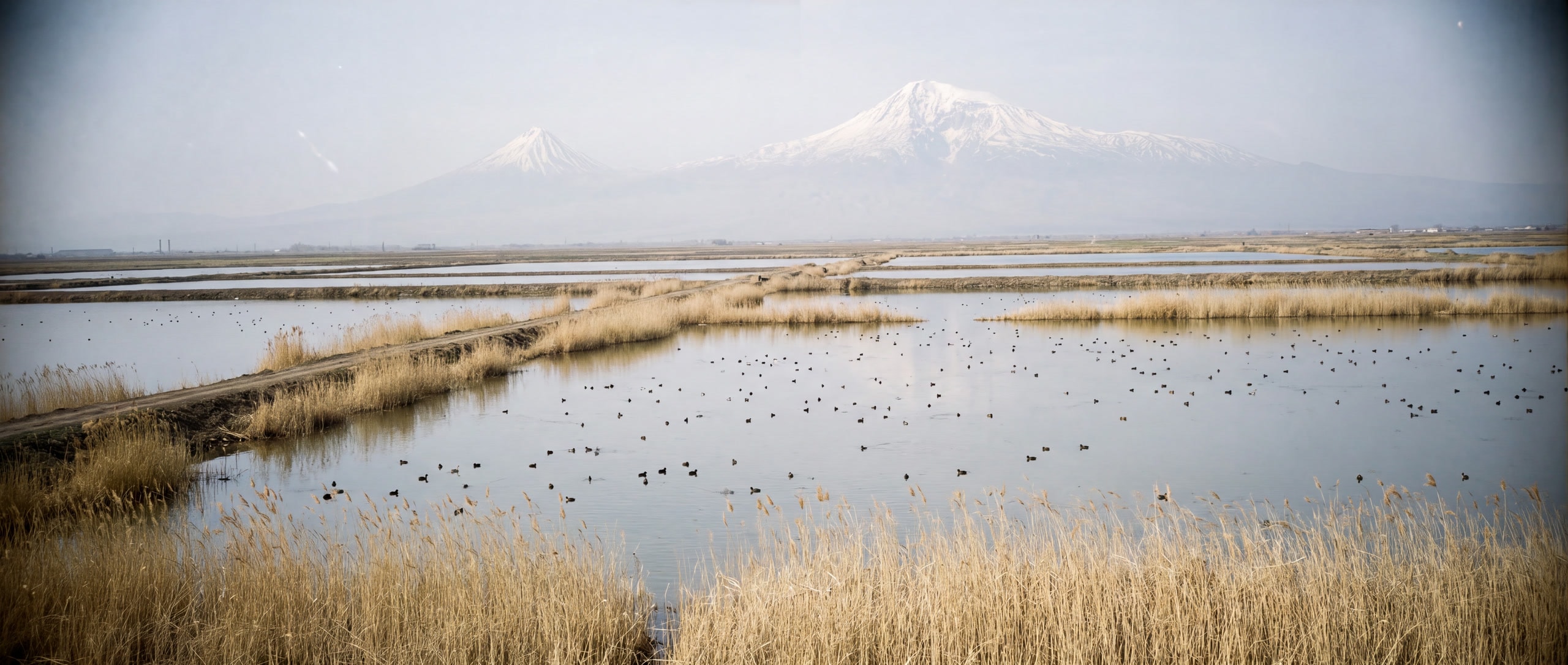
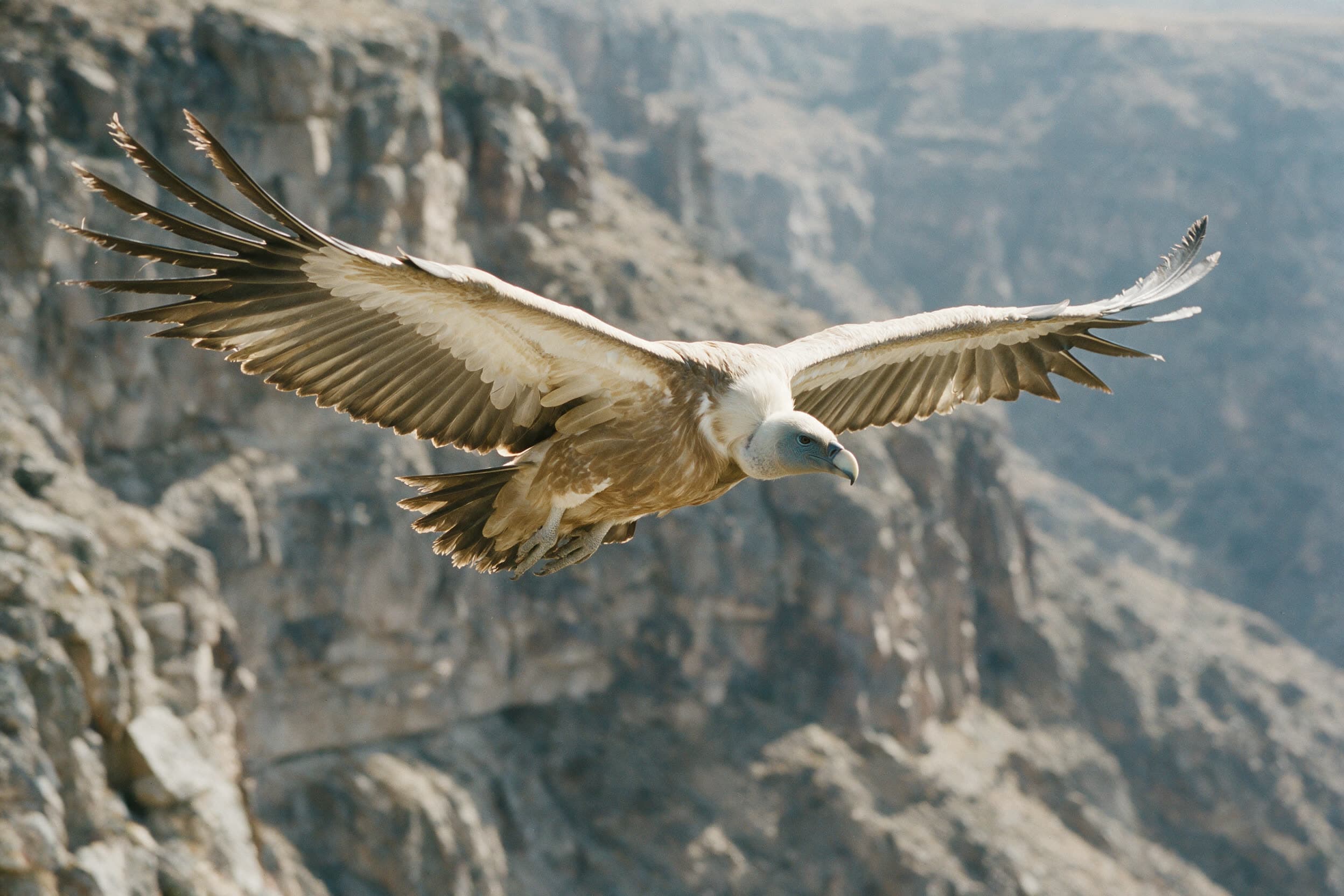
The Khosrov Forest Reserve and the adjoining Caucasus Wildlife Refuge hold bezoar goats, wild boar, foxes and wolves; the Caucasian leopard is documented there and virtually never seen. We do not promise it. At Lake Sevan the subject is birds instead: herons and gulls on the shallow bays, and waders passing through in spring and autumn.
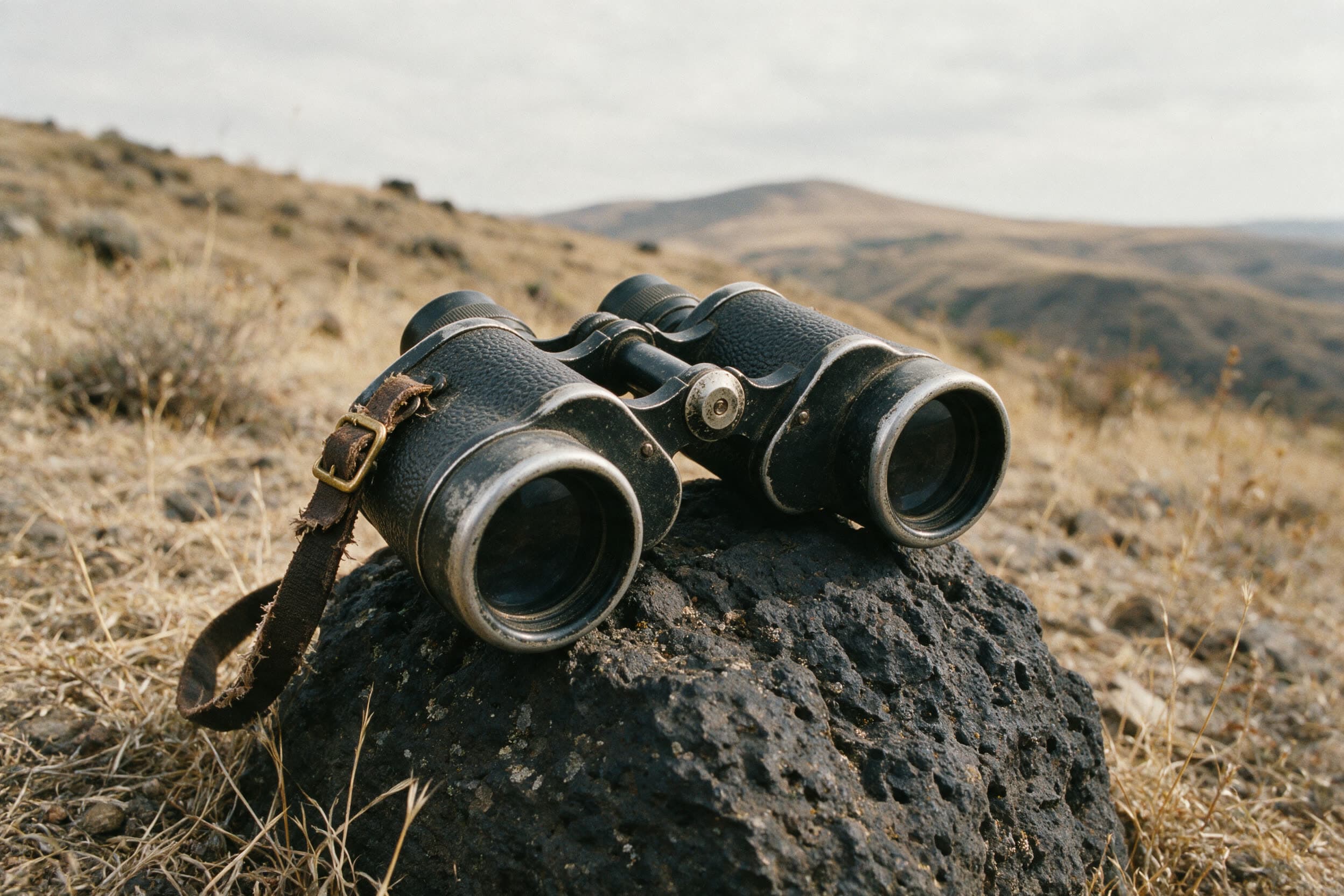
The binoculars are yours, the scope is ours. A ten-power glass beats any telephoto lens for the first look, because with it you search the slope instead of studying it through a straw. To photograph anything you still need focal length afterwards, and honestly some luck.
Nothing gets fed, nothing gets lured, and no recorded bird calls are played. Playback pulls nesting birds off the nest, and in a reserve that has consequences beyond rudeness. We keep our distance because an animal that feels watched changes slope and stays away for the rest of the day.
Wind is the factor that changes the plan. It carries scent uphill, and hoofed animals then stand on the far side. Which slope we take, the guide says at the vehicle in the morning, and he looks over at the flag on the fence to work it out.
Six hours of watching yield maybe forty minutes in which something happens. More equipment does nothing to change that ratio.
Rain drops bird activity on the bays of Lake Sevan to nothing for hours, and strong wind puts hoofed animals into ground no watching spot overlooks. We then swap the side of the valley rather than the day — the call is made on site in the morning.
Distance here is method rather than politeness: we stay far enough away that no animal changes slope, and never walk between a mother and her young. Livestock guardian dogs stand on the pastures at the edge of the reserves — stand still, do not run, let the guide go ahead. Nothing gets fed or lured, and inside the reserves the wardens have the last word.
Every one of our expeditions can be extended with this experience — just say so in your inquiry.
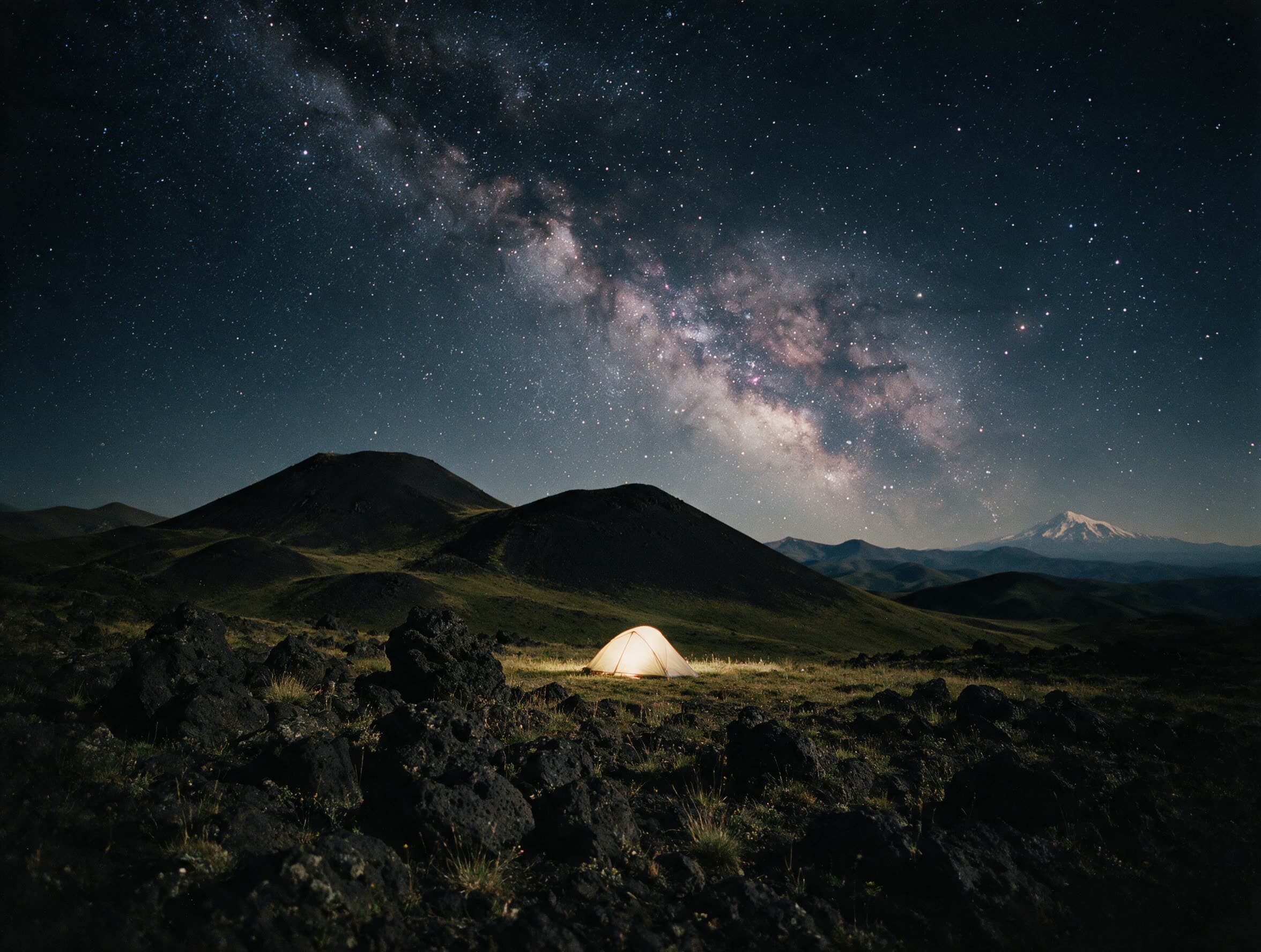
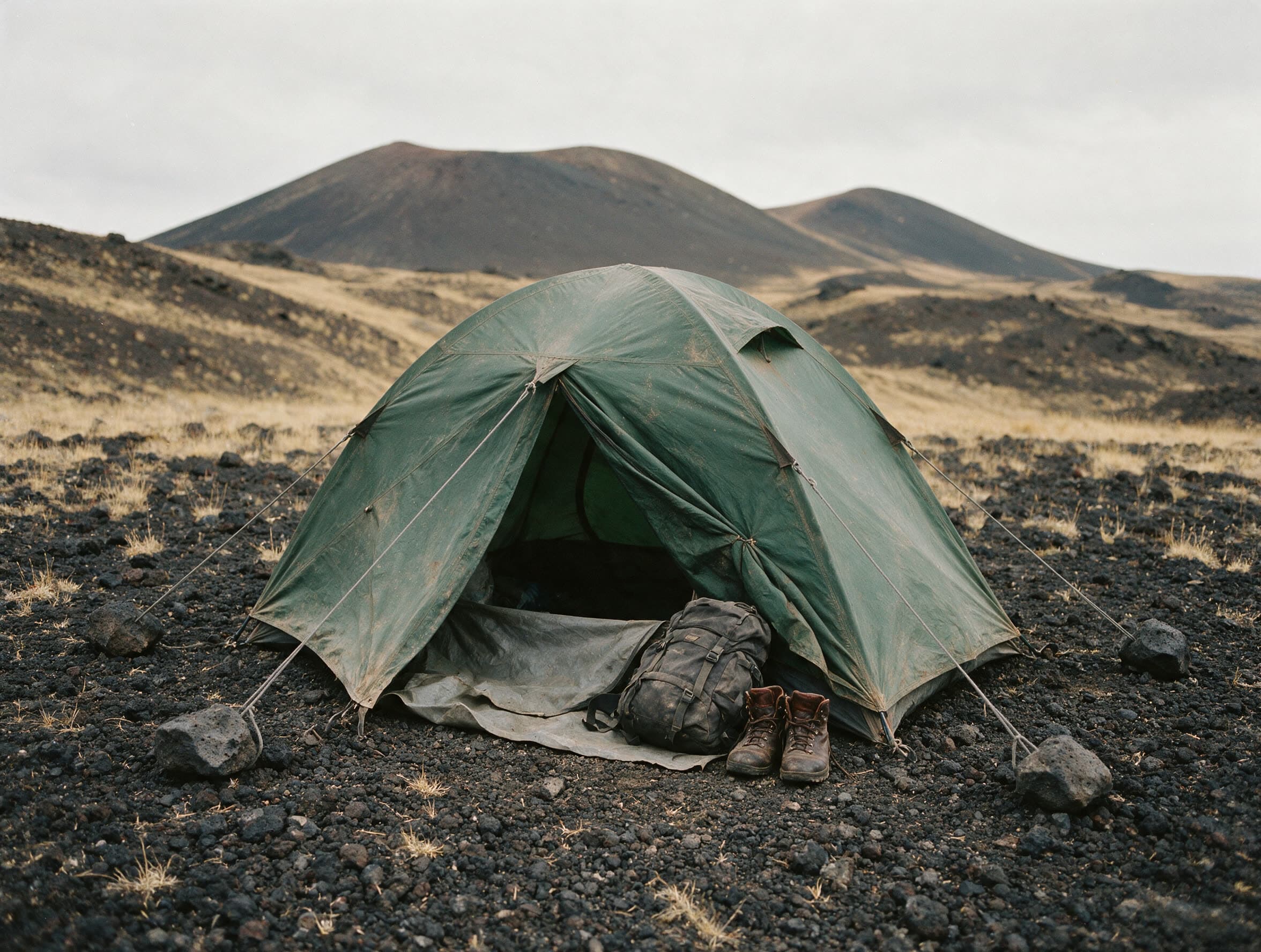
Wind, water, drainage — those three put the tent where it stands.
Sound like your kind of day?
Tell us what draws you — we'll build it into your trip or plan it on its own.