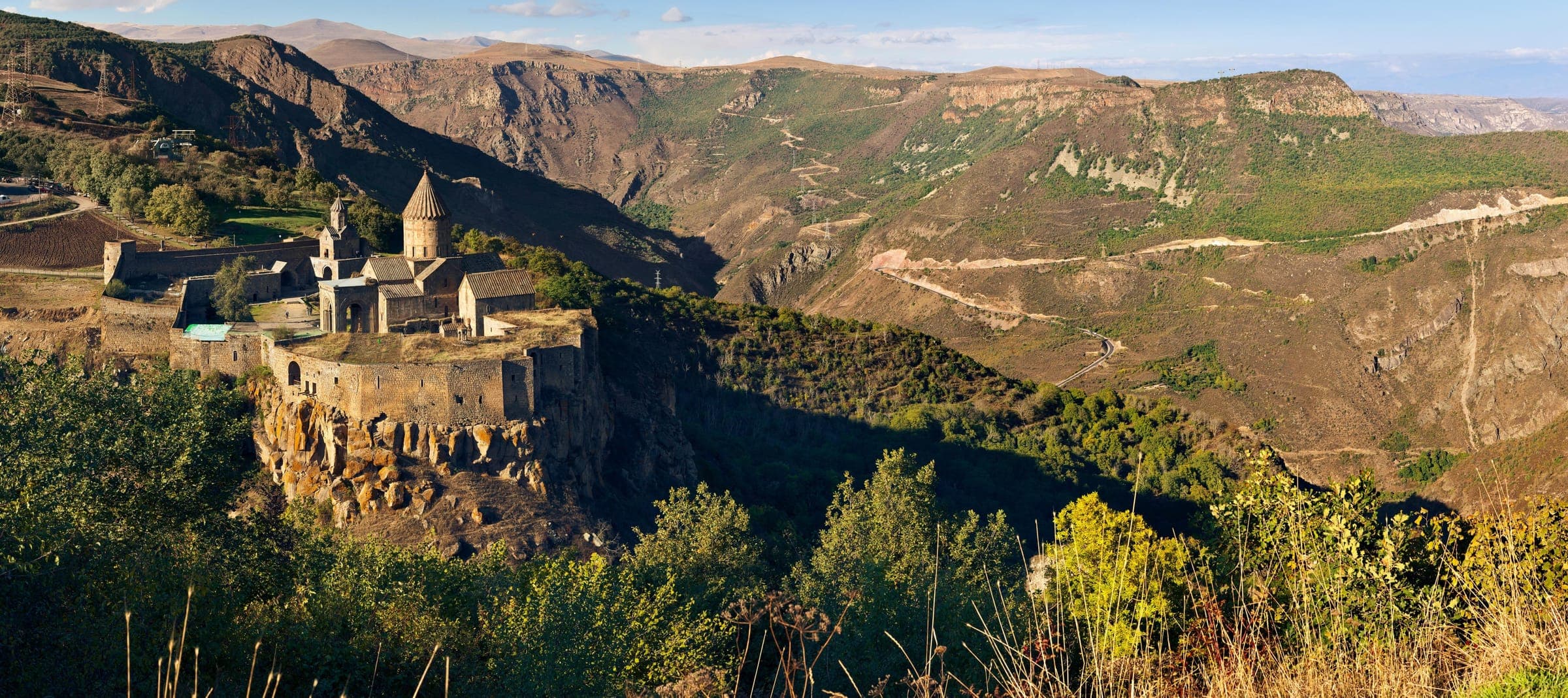
Off-road
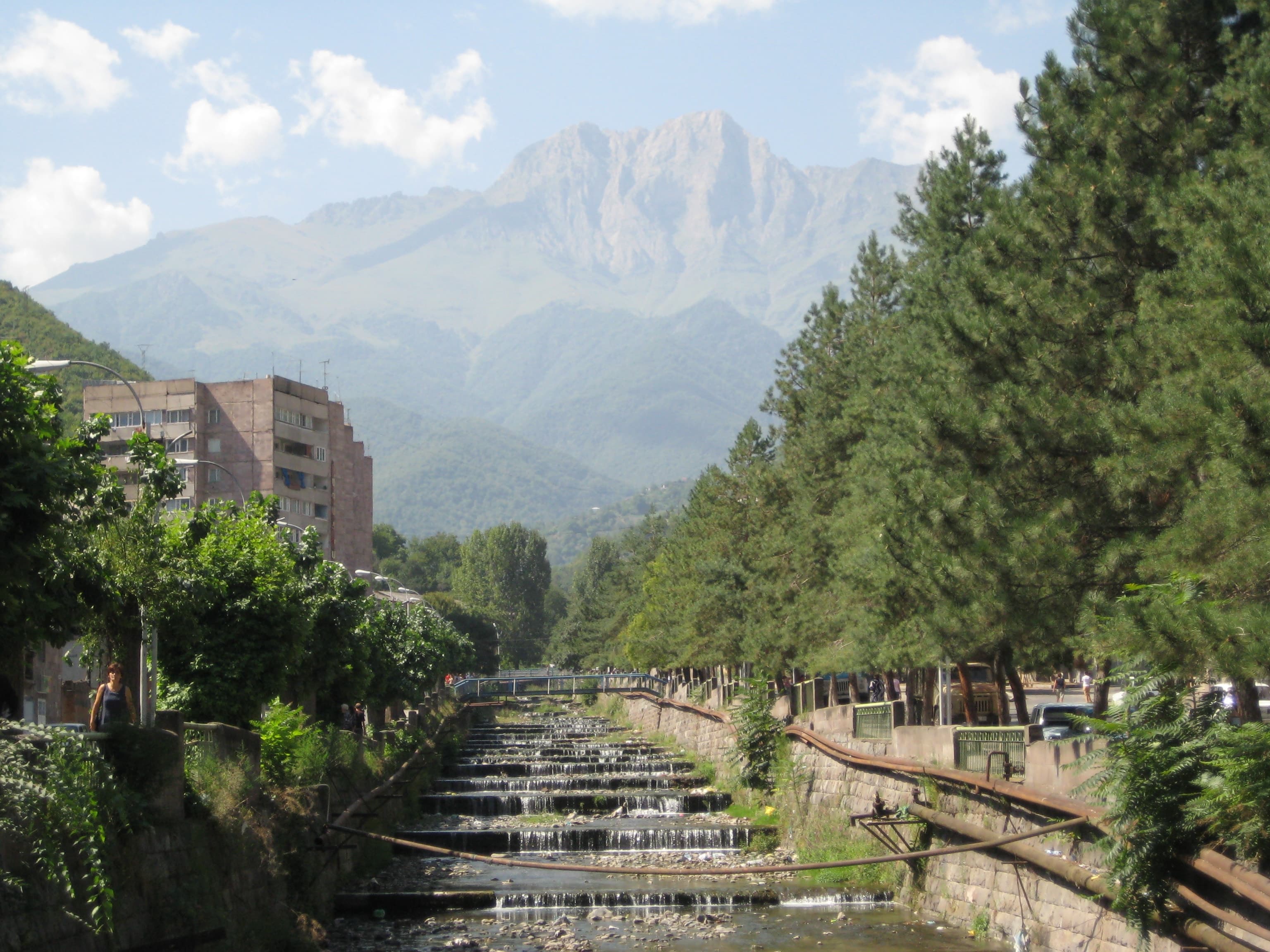
SyunikMountain
Syunik — On a spur above the Voghji Valley, roughly a kilometre from Kapan, stands the restored fortress of Halidzor. Here, in 1727, around 300 Armenian defenders under David Bek held out for seven days against an Ottoman siege. The walls, towers, and monastery courtyard are accessible today – the short climb from the valley remains rough and steep.
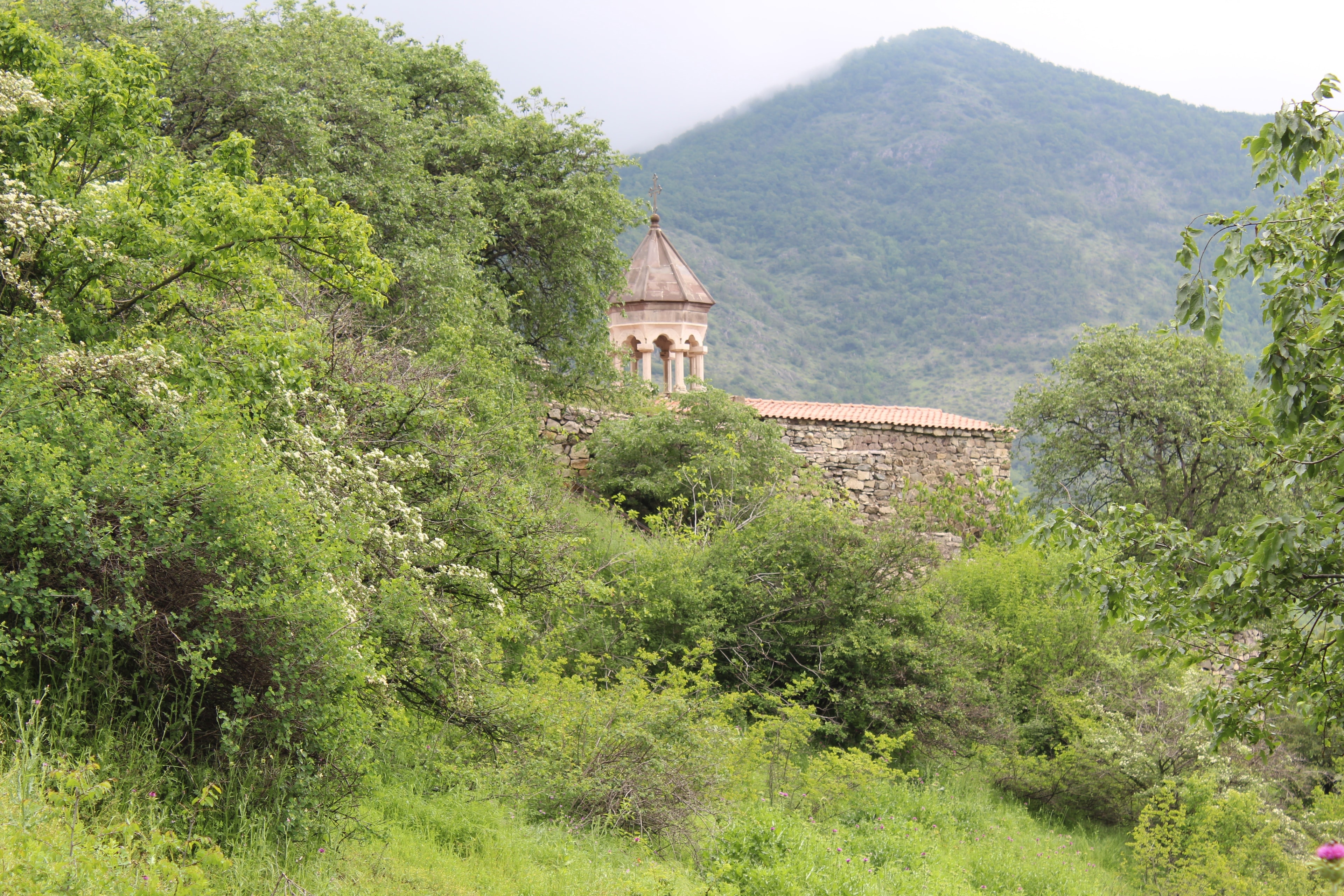
“Take courage, do not be afraid,” Mkhitar Sparapet is said to have called out to his men before the siege – a line still passed down today. The complex began life as a 17th-century nunnery, before David Bek made it his headquarters. According to legend, a secret passage ran 500 metres down to the river to keep the besieged supplied with water.
Halidzor sits at 1,051 metres on a narrow mountain spur north of the Voghji River, approximately one kilometre south-west of Kapan in Syunik Province. From above, the view sweeps across the narrow, wooded river valley; the restored ramparts and round towers clearly mark the outline of the complex. You reach it via a brief but rugged gravel track that leads directly from the valley up to the fortress.
Offroad & access
Access has an off-road rating of 3 out of 5. From the Voghji Valley, a short but consistently steep gravel track branches off, climbing to the fortress above Kapan in just a few kilometres. The ground is rough, with loose rubble and potholes; a 4x4 is recommended, but a differential lock is not strictly necessary. In dry conditions, the stretch is readily manageable; when wet, the loose surface becomes slippery and the gradient more demanding. The drive up itself takes only a short time, but requires steady acceleration and caution near the drop-off. There is parking space at the top; the fortress grounds themselves are explored on foot.
Location: mountain spur above the Voghji Valley, approximately 1 km south-west of Kapan, Syunik Province. Elevation: 1,051 m. Coordinates: 39.2192 N, 46.3533 E. Type: historical-archaeological fortress with monastic area. Origins: built by Armenian meliks in the 17th century, initially as a nunnery. Known as David Bek's headquarters in the liberation struggle of the 1720s and the scene of the 1727 siege. Nearest town: Kapan. Best travel season: April to November.
Halidzor was built by Armenian meliks in the 17th century and initially served as a nunnery, later briefly belonging to the Melik-Parsadanian family. In the 18th century, the military commander David Bek made the complex his headquarters and the administrative centre of Syunik in the struggle against Ottoman and Persian forces. From 26 February to 7 March 1727, David Bek, his ally Mkhitar Sparapet, and Ter Avetis defended the fortress with around 300 soldiers against a vastly superior Ottoman army – the often-cited figure of 70,000 besiegers is regarded by historians as greatly exaggerated. After seven days, the Ottomans withdrew. The success encouraged the insurgents to free the Kapan region from Ottoman forces. In 1729 the Ottomans returned, took Halidzor, and razed the fortifications; the present complex is restored.
According to tradition, a secret passage is said to have run approximately 500 metres from the fortress down to the Voghji River, supplying the besieged with fresh water during a siege. This tunnel is not confirmed in surviving historical sources; it belongs to the local lore surrounding the 1727 defence. Also recorded is the exhortation of Mkhitar Sparapet, with which he reportedly encouraged his men before battle: Take courage, do not be afraid, and if our end has come, let us die with bravery.
Halidzor combines a concrete, well-documented episode of Armenian history with a clearly legible structure: walls, towers, and monastery courtyard stand restored above the river valley, and the 1727 siege can be understood on the ground. Adding to this is the brief but genuine gravel climb that elevates the visit beyond a simple drive. The season is limited to April through November, and the open source picture – around the contested water tunnel, for example – leaves room to look for yourself on site.
Access: via Kapan to the Voghji Valley, then up the steep gravel track; 4x4 recommended, caution in wet conditions due to slippery surface. Elevation: 1,051 m. Best travel season: April to November; in winter and with persistent rain, the climb is treacherous. Sturdy footwear on site for the uneven fortress terrain, which you explore on foot. Carry water and provisions from Kapan; there is no supply above. Allow adequate time to examine the walls, towers, and monastery area.
SyunikMountain
SyunikMonastery
Syunik, Southern ArmeniaMonastery
Do you wish to experience Halidzor with the rugged climb from the Voghji Valley? Armenia Expeditions will take you safely up to the fortress and show you on site where the defence of 1727 took place. One message — we’ll plan the rest.